10 minutes delivery and 30 second RX, quick commerce platforms deliver medicines, triggering prescription-on-demand debate
Quick-commerce platforms are delivering prescription medicines within minutes, with some offering doctor-on-call services to generate digital prescriptions. While consumers welcome the convenience, pharmacists and public health experts warn of rubber-stamp consultations, self-medication, antimicrobial resistance and regulatory accountability concerns


Hyderabad: 10-Minute Cart, 30-Second Rx: How Quick-Commerce Apps Sparked a Prescription-on-Demand Debate
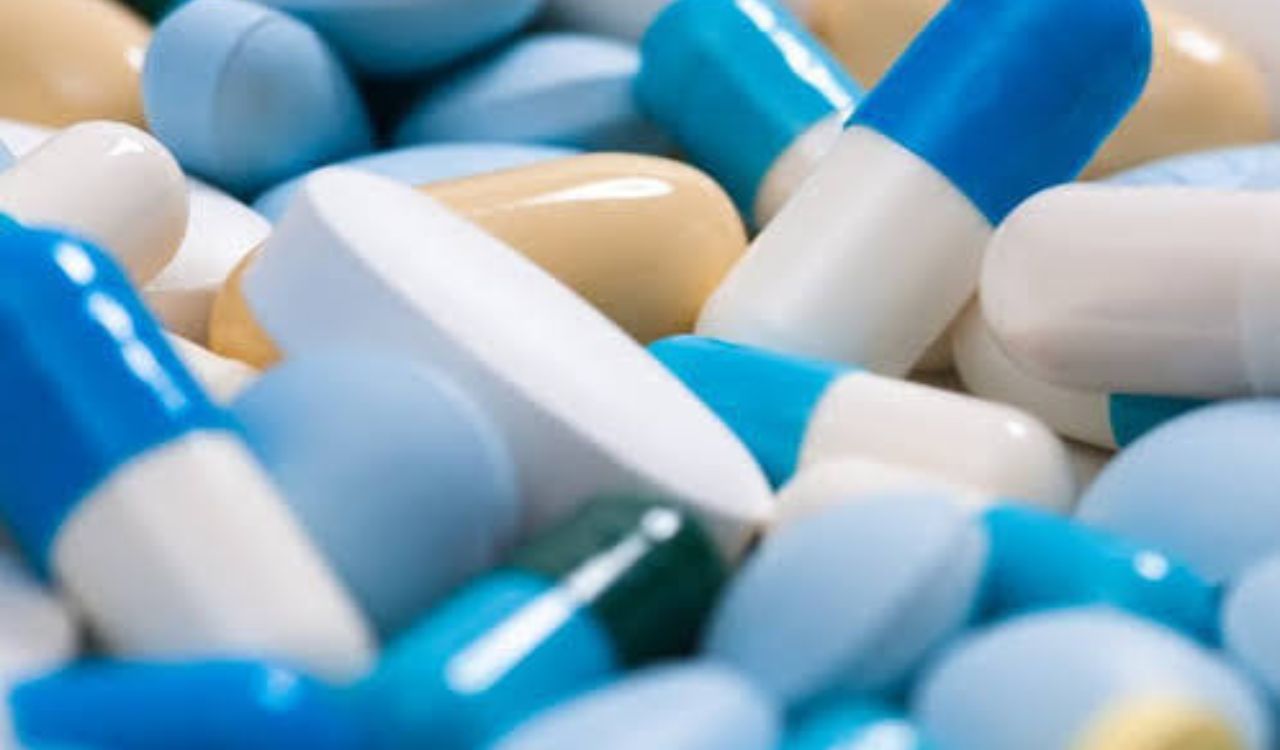
At an unearthly hour, now you can get prescription-based drugs delivered at your doorstep in just 10-minutes. Don’t have a prescription? Worry not, as you will be offered a free ‘doctor-on-call’ facility. Within 30-seconds, you will receive a phone call from a doctor and moments later, a digital prescription of your medicines is sent straight to your phone.
In the hyper-fast era of quick commerce, digital grocery platforms (Blinkit, Instamart, Zepto) have expanded into the uncharted territory of delivering pharmaceuticals to homes within minutes.
While the service is drawing a lot of appreciation from consumers for its speed and efficiency, medical associations, public health experts, and traditional pharmacists are raising urgent red flags.
For bedridden patients, elderly individuals, or working professionals stuck at home with sudden fevers or acute infections, bypassing a physical trip to a crowded clinic or brick-and-mortar pharmacy saves significant time and physical exertion.
However, apex bodies like All India Organisation of Chemists and Druggists (AIOCD) in Hyderabad and elsewhere argue that such practice will encourage ‘rubber stamp’ consultation.
Senior pharmacists from AIOCD, Hyderabad point out that since the user has already selected, added, and paid for the medicine in their cart, the subsequent phone call often feels like a formality. Rather than a diagnostic consultation, the interaction risks serving as a legal clearance mechanism to unblock the transaction.
On the other hand, consumers point out that quick commerce platforms go a long way in bridging the gap, when local physical pharmacies might be closed, out-of-stock, or physically far.
Public health specialists have expressed fear that quick and easy access to to powerful therapeutics like broad-spectrum azithromycin (antibiotics) or systemic anti-infectives, normalizes self-medication.
“Where is the guarantee that the call you receive is from a doctor? There have been audits indicating that attending tele-consultants on these platforms sometimes remain anonymous and decline to share their doctors registration details. There is a definite grey area and e-commerce platform rule and regulations must be framed,” a senior office bearer from Hyderabad Druggists and Chemists Association, said.
Pros:
- Delivers critical medicines to doorsteps within minutes
- Relief to bedridden/elderly patients and children living abroad with parents in India
- Vital during late-night emergencies when nearby physical pharmacies are closed
- Bridges gaps by instantly matching patients with General Doctor for minor ailments.
Cons:
- Risks reducing telehealth consultations to a ‘rubber-stamp’ formality to clear pre-filled digital shopping carts.
- Unchecked, rapid access to powerful antibiotics and systemic drugs threatens to accelerate antimicrobial resistance (AMR).
- Operates in a regulatory grey zone with accountability issues
- Anonymous doctors who hesitate to share registration details.

Related News
-

Mangaluru food safety officials inspect facility after worm found inside online-purchased egg
-
Swiggy targets Rs 10,000-Crore EBITDA by FY31 on food, quick commerce growth
-
FSSAI issues nine notices to Swiggy Instamart over alleged food safety violations
-
BHIM app transactions triple in 12 months; Telangana leads growth