April Fools’ Day: How a day of pranks became a global tradition
April Fools’ Day, celebrated with pranks worldwide, likely dates back over 600 years. Its origins are unclear, with theories linking it to medieval England, French “Poisson d’Avril,” and calendar changes under King Charles IX in the 1500s
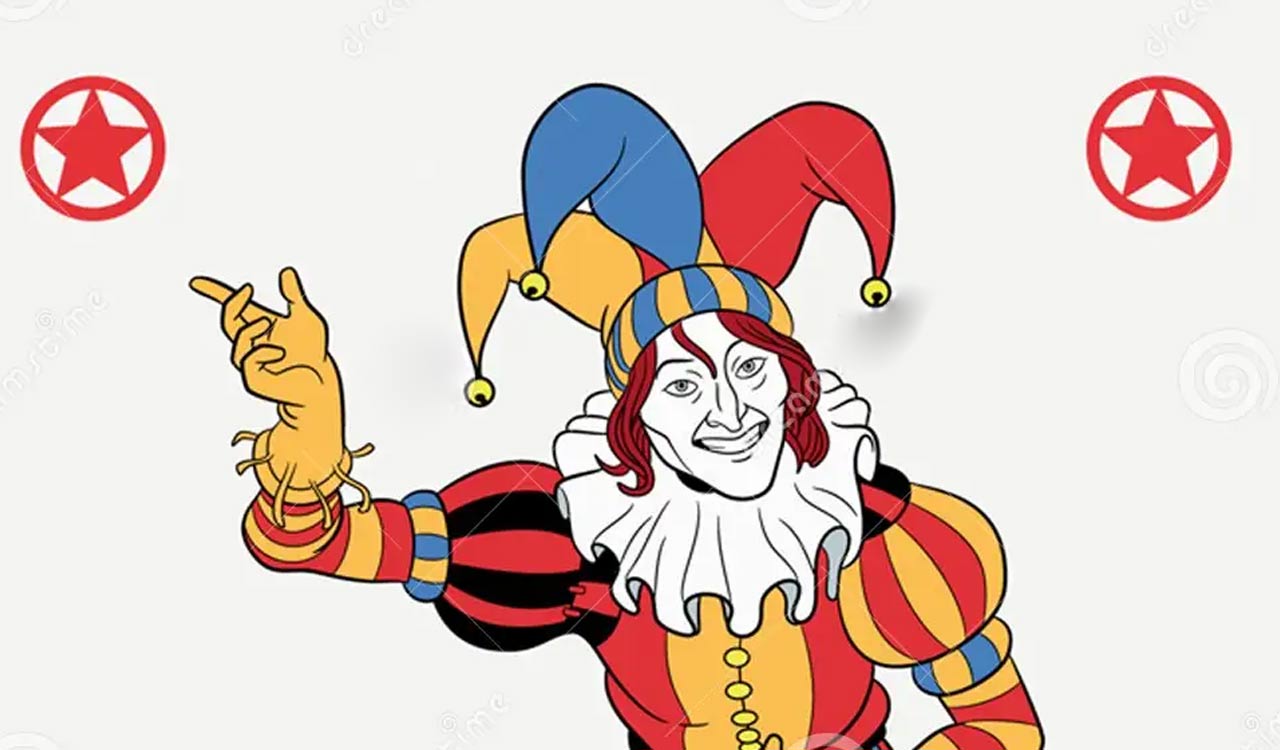


Hyderabad: Every year on April 1, millions of people take delight in harmless pranks and playful tricks. But where did this quirky tradition come from?
Although April Fools’ Day is widely celebrated across the English-speaking world, its exact origins remain uncertain. Historians haven’t been able to pinpoint a clear starting point, though it likely dates back to at least the 1500s.
Some theories trace it to medieval England, others to early modern France, while a few suggest it may have evolved from even older springtime celebrations in places like ancient Rome.
Despite these competing ideas, the holiday’s beginnings remain something of a cheerful mystery.
Even with its unclear roots, some evidence hints that the tradition could be over 600 years old. Folklorist Stephen Winick highlights three leading possibilities—one from England and two from France.
One English theory points to the Middle Ages and the work of poet Geoffrey Chaucer. In ‘The Nun’s Priest’s Tale’ (around 1390), Chaucer tells a story of a rooster and a fox trying to outwit each other. The tale references events occurring 32 days after the start of March—landing on April 1. However, some scholars argue this may be due to transcription errors by medieval scribes, casting doubt on this explanation.
The other theories come from France, where “Poisson d’Avril” (April Fish) has been celebrated for centuries. The tradition involves secretly placing a paper fish on someone’s back and shouting “April fish!” when the trick is discovered. A possible early reference appears in a 1508 poem by Eloy d’Amerval, which mentions an “April fish.”
This could suggest an early association between fish and foolishness—or even point to an existing custom by the 16th century.
Another French explanation centers on calendar reform. In 1564, King Charles IX issued the Edict of Roussillon, declaring January 1 as the official start of the new year across France.
Before this, New Year celebrations were often held around late March or early April. According to this theory, those who continued celebrating the old New Year around April 1 became targets of jokes, eventually giving rise to the prank-filled tradition we know today.

Related News