As groundwater crisis deepens, Telangana govt turns to other States for solutions
Groundwater levels have declined in 554 of Telangana's 621 mandals, prompting the government to study conservation initiatives in Rajasthan and Maharashtra. The crisis, compounded by a 24 per cent rainfall deficit, raises concerns over drinking water and irrigation supplies.
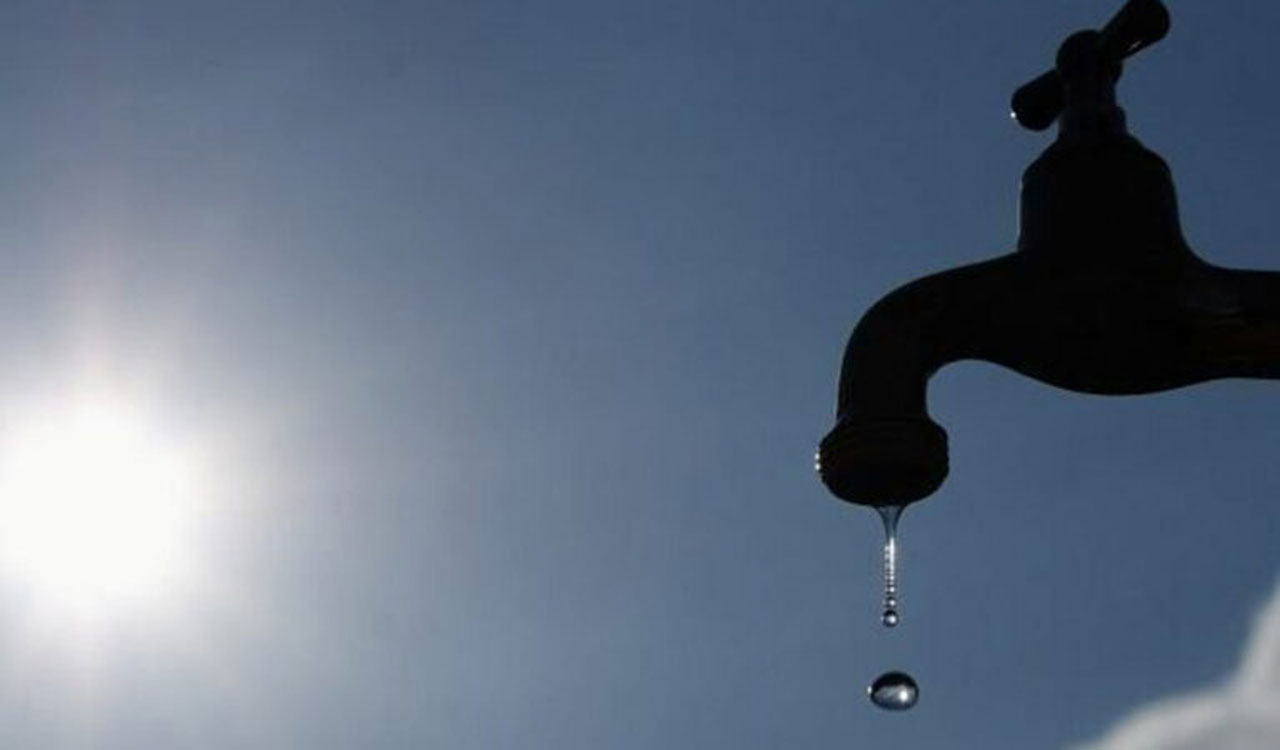


Hyderabad: With groundwater levels declining in 554 of Telangana’s 621 mandals, the Congress government has now turned to Rajasthan and Maharashtra to study conservation measures and prepare an action plan. The move comes amid growing concerns over the government’s delayed response to the worsening crisis.
The October report of the Telangana Groundwater Department puts the State’s average groundwater level at 7.77 metres below ground level, a decline of two metres from October last year. As many as 89 per cent of mandals recorded a decline against the decadal average. Greater Hyderabad was among the worst affected, with its average water table falling by 7.17 metres in a year.
At a review meeting on Thursday, Irrigation and Civil Supplies Minister N Uttam Kumar Reddy directed officials to study groundwater recharge initiatives in Rajasthan and water conservation programmes in Maharashtra and adapt successful practices to Telangana. He assured adequate funding, including allocations beyond the existing budget, if required.
The Minister called for a district-wise assessment and directed the Groundwater Department to convene a meeting of officials from all districts to review ongoing works, identify areas requiring urgent intervention and prepare an action plan. He also reviewed drought mitigation measures and the responsibilities of the Irrigation, Groundwater, Panchayat Raj and Rural Development departments.
However, the decision to study other States’ practices and formulate a fresh plan comes after groundwater depletion has spread across most of Telangana, raising questions over the government’s preparedness. The crisis has been compounded by a 24 per cent rainfall deficit during the June-October monsoon. With farmers increasingly dependent on borewells amid constrained surface water availability, the depletion also raises concerns over drinking water and irrigation supplies ahead of summer.

Related News