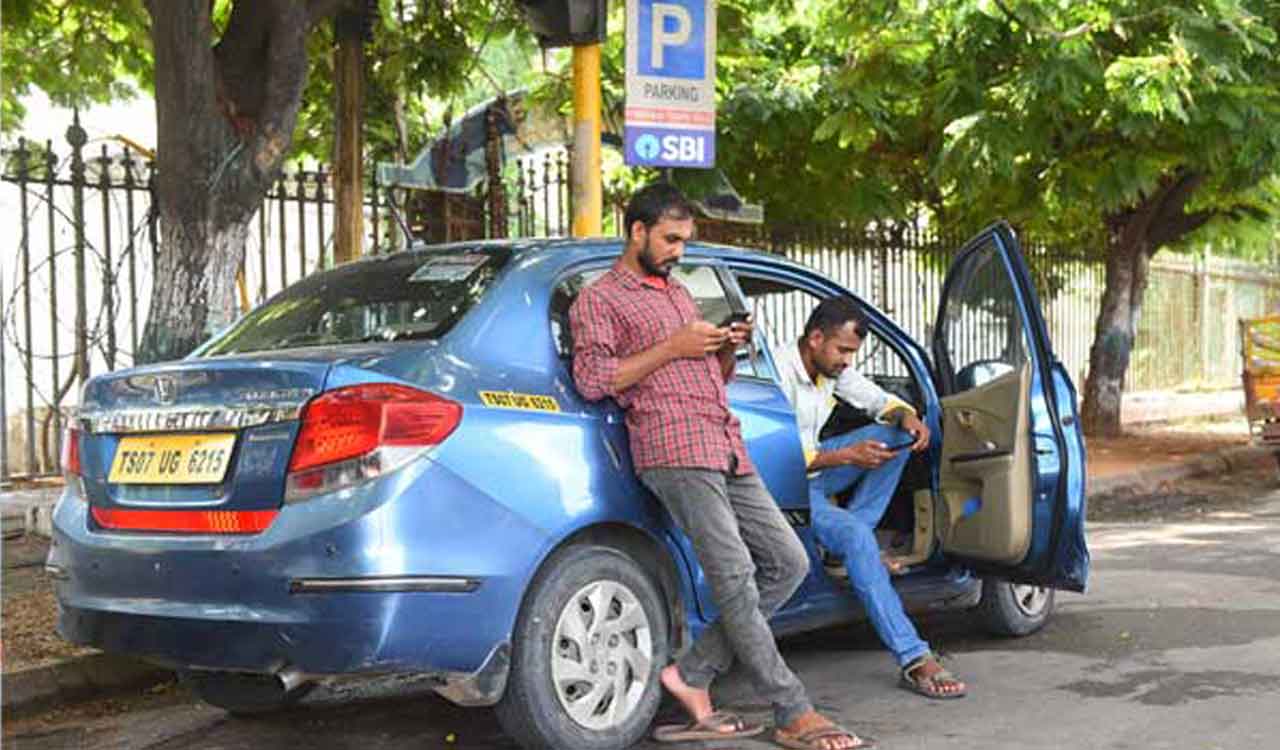
Cab rental reforms: Centre plans simpler procedures, more choices for customers
The government has proposed easing cab rental regulations by reducing the minimum fleet requirement from 50 to five and introducing a single State-wide licence. The framework also proposes safety measures, grievance support and simpler compliance procedures.
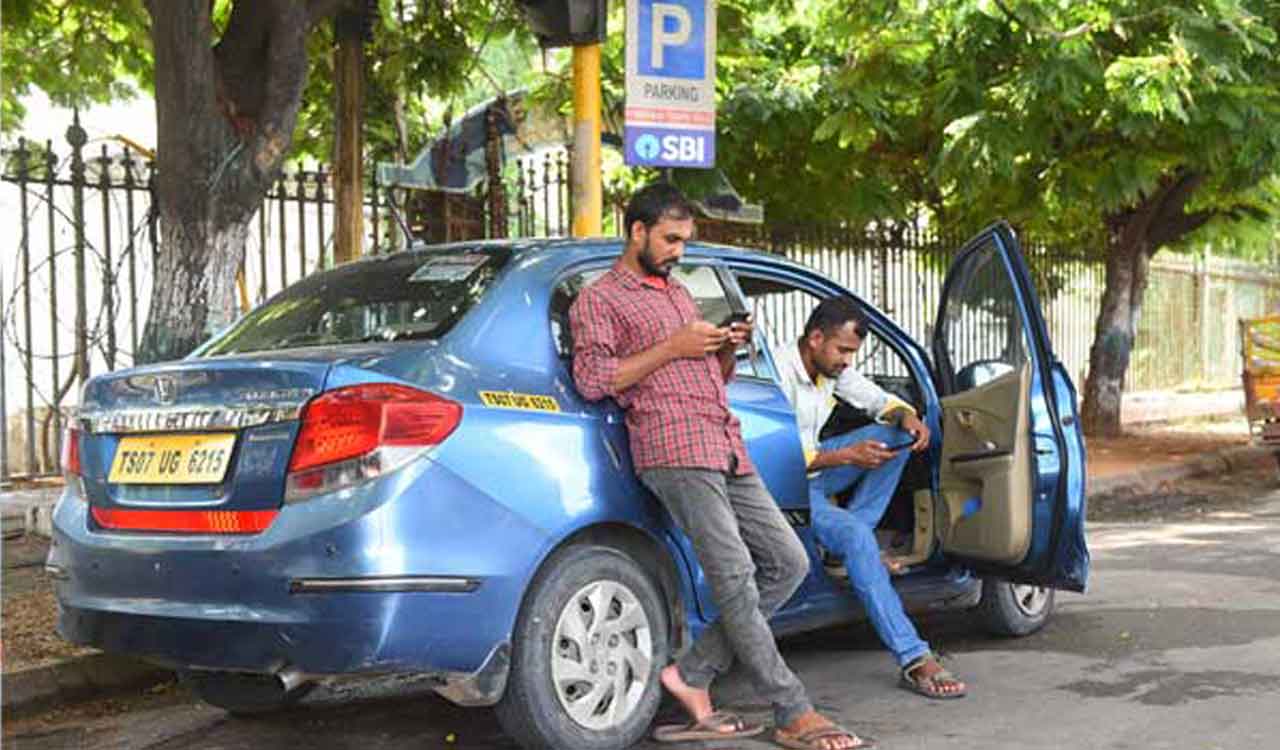


New Delhi: The government has proposed reforms to make cab rental businesses easier to start and operate, expand rental choices and strengthen passenger safety, according to an official statement.
The Ministry of Road Transport and Highways proposed a framework that combines simpler procedures with better customer support, while also making entry into the cab business easier and expanding choices for customers.
Operators could gain the option to offer cabs with or without drivers. The minimum fleet requirement would fall from 50 to five, with at least two cabs required at each place of operation. The requirement for branches in five tourist cities may be dispensed with.
“A single licence, valid across the State or UT for a uniform fee, replaces separate main and branch licences. Approved places of operation may include airports, stations and bus terminals,” the ministry said.
It proposed that licences be granted and renewed within 60 days. A 30-day deemed-approval mechanism may be introduced for adding or removing cabs or places of operation.
Electronic VAHAN registers and automatic data retrieval would simplify compliance and reduce paperwork.
“Cabs must have location tracking, child restraint systems (optional) and first-aid kits. Operators must provide a website, 24-hour grievance support, emergency repairs and towing,” the ministry said.
It further noted that operator-provided drivers would require police verification and would be covered under the Code on Social Security, 2020. It added that specified serious offences involving a cab or an operator-provided driver would reduce an operator’s licence validity.
Apart from that, the government also proposed giving operators time to correct non-material violations before suspension or revocation is considered, along with an appellate mechanism with electronic hearings.
Wider rental choices, safety equipment and round-the-clock grievance support will benefit renters, while lower entry barriers and simpler licensing will support smaller businesses and create employment opportunities.

Related News