CBI seeks transfer of 158 exam fraud cases to fast-track courts
New Delhi: Around 158 cases linked to alleged recruitment examination irregularities are awaiting the start of trial in various courts in the country despite the completion of CBI investigations, with some of them registered more than two decades ago, sources said. The Central Bureau of Investigation (CBI) has decided to approach all high courts to transfer these pending cases to the fast-track courts, which are being set up in various states to handle cases under the new anti-paper leak law, they said. Sources said the CBI has decided to convey to the high courts that it will provide dedicated special prosecutors to conduct these trials and make all possible resources available so that they are concluded at the earliest possible. In the national capital Delhi, there are around 25 cases since 2000 that are awaiting trial despite the completion of CBI investigation. These include the AIIMS PG recruitment examination of 2010-11, Delhi University Medical and Dental Entrance of 2011, CAT (common admission test) irregularities of 2004, SSC (staff selection commission) recruitment of 2013, and teachers' recruitment, sources said. Bihar has five pending cases, including three related to the alleged paper leak of NEET 2024, besides irregularities in the PMT (pre-medical test) of 2003 and 2011, they said. In Himachal Pradesh, the constable recruitment case of 2022 is among the three cases awaiting start of trial. In Jammu and Kashmir, three cases are awaiting trial, which include irregularities in junior engineer and constable recruitment, they said. Similarly, five cases are awaiting trial in Jharkhand; five in Karnataka; three in Maharashtra, including two cases related to NEET 2024; eight in Rajasthan; 14 in Tamil Nadu; and 10 each in West Bengal and Uttar Pradesh. Government officials argue that prolonged delays severely erode the prospect of successful prosecution. As years pass, witnesses become elderly or unavailable, memories fade, identification of the accused becomes increasingly difficult, and testimonies often change, they said. Frequent transfers of investigating officers, prosecutors and even presiding judges further complicate proceedings, raising the risk that some of the country's examination fraud prosecutions could eventually collapse. The Public Examinations (Prevention of Unfair Means) Amendment Act, 2026, recently passed by Parliament, provides for every state and Union Territory to designate a sessions court as a Special Fast-Track Court, in consultation with the Chief Justice of the high court concerned. The law provides for these fast-track courts to hear cases day-to-day without unnecessary breaks, the trial to be completed within three months of the charge sheet being filed, and the cases already pending in other courts to be transferred to these new Special Fast-Track Courts, which are to be completed within three months of transfer. Every state and Union Territory will also appoint special public prosecutors dedicated to arguing these cases. "If an accused also faces other connected charges under the Bharatiya Nyaya Sanhita or any other law, the Special Fast-Track Court will try those charges together in the same trial, instead of sending the case to multiple courts," a recent government statement had said


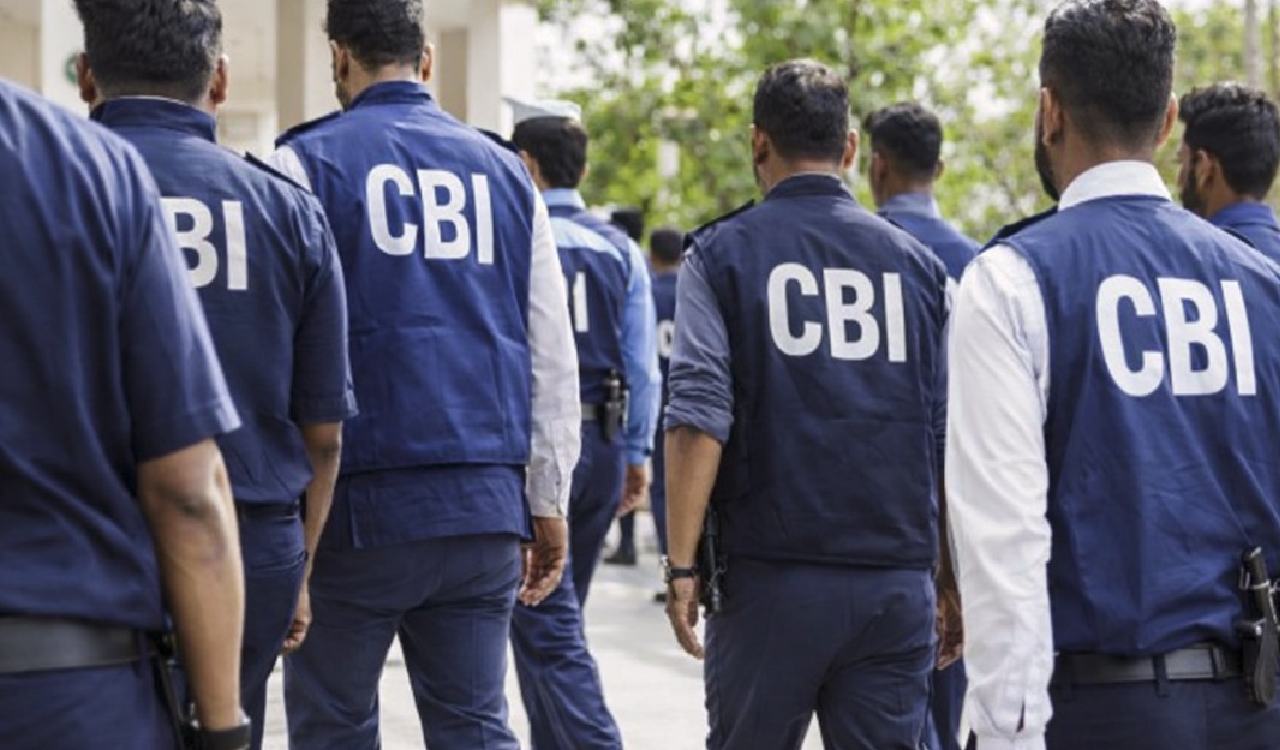
New Delhi: Around 158 cases linked to alleged recruitment examination irregularities are awaiting the start of trial in various courts in the country despite the completion of CBI investigations, with some of them registered more than two decades ago, sources said.
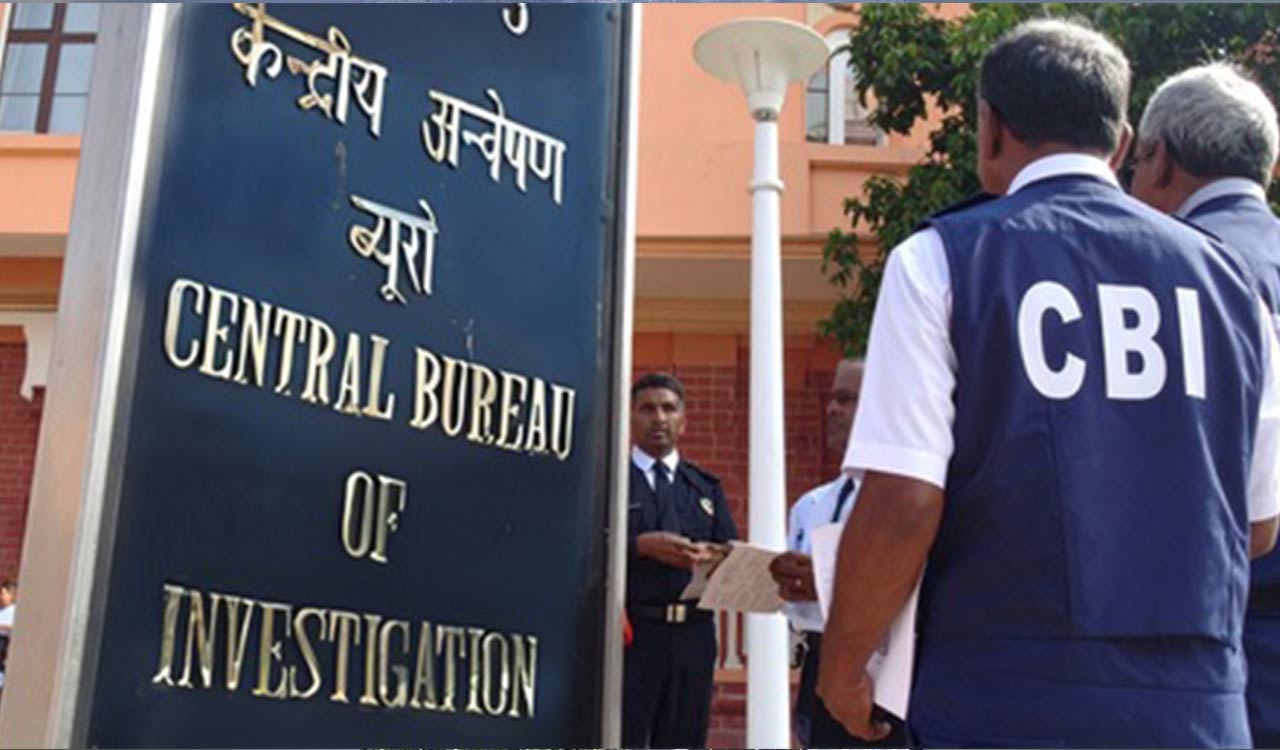
The Central Bureau of Investigation (CBI) has decided to approach all high courts to transfer these pending cases to the fast-track courts, which are being set up in various states to handle cases under the new anti-paper leak law, they said.
Sources said the CBI has decided to convey to the high courts that it will provide dedicated special prosecutors to conduct these trials and make all possible resources available so that they are concluded at the earliest possible.
In the national capital Delhi, there are around 25 cases since 2000 that are awaiting trial despite the completion of CBI investigation. These include the AIIMS PG recruitment examination of 2010-11, Delhi University Medical and Dental Entrance of 2011, CAT (common admission test) irregularities of 2004, SSC (staff selection commission) recruitment of 2013, and teachers’ recruitment, sources said. Bihar has five pending cases, including three related to the alleged paper leak of NEET 2024, besides irregularities in the PMT (pre-medical test) of 2003 and 2011, they said.
In Himachal Pradesh, the constable recruitment case of 2022 is among the three cases awaiting start of trial. In Jammu and Kashmir, three cases are awaiting trial, which include irregularities in junior engineer and constable recruitment, they said.
Similarly, five cases are awaiting trial in Jharkhand; five in Karnataka; three in Maharashtra, including two cases related to NEET 2024; eight in Rajasthan; 14 in Tamil Nadu; and 10 each in West Bengal and Uttar Pradesh.
Government officials argue that prolonged delays severely erode the prospect of successful prosecution. As years pass, witnesses become elderly or unavailable, memories fade, identification of the accused becomes increasingly difficult, and testimonies often change, they said.
Frequent transfers of investigating officers, prosecutors and even presiding judges further complicate proceedings, raising the risk that some of the country’s examination fraud prosecutions could eventually collapse.
The Public Examinations (Prevention of Unfair Means) Amendment Act, 2026, recently passed by Parliament, provides for every state and Union Territory to designate a sessions court as a Special Fast-Track Court, in consultation with the Chief Justice of the high court concerned.
The law provides for these fast-track courts to hear cases day-to-day without unnecessary breaks, the trial to be completed within three months of the charge sheet being filed, and the cases already pending in other courts to be transferred to these new Special Fast-Track Courts, which are to be completed within three months of transfer.
Every state and Union Territory will also appoint special public prosecutors dedicated to arguing these cases. “If an accused also faces other connected charges under the Bharatiya Nyaya Sanhita or any other law, the Special Fast-Track Court will try those charges together in the same trial, instead of sending the case to multiple courts,” a recent government statement had said.

Related News
-

CBI probes alleged irregularities in bridge construction on Tamil Nadu rail line
-
CBI searches Mumbai premises linked to Kishore Biyani in bank fraud case
-
CBI files chargesheet against 14th NEET-UG paper leak accused
-
Must bring youth into public services who are not attracted to public office: PM Modi