Hyderabad among cities in Centre’s plan for 7 high-speed rail corridors
Finance Minister Nirmala Sitharaman proposed seven high-speed rail corridors linking major Indian cities, promoting regional growth, faster travel, and lower emissions. She also outlined banking reforms, foreign investment modernization, and an integrated textile programme under the Union Budget 2026-27
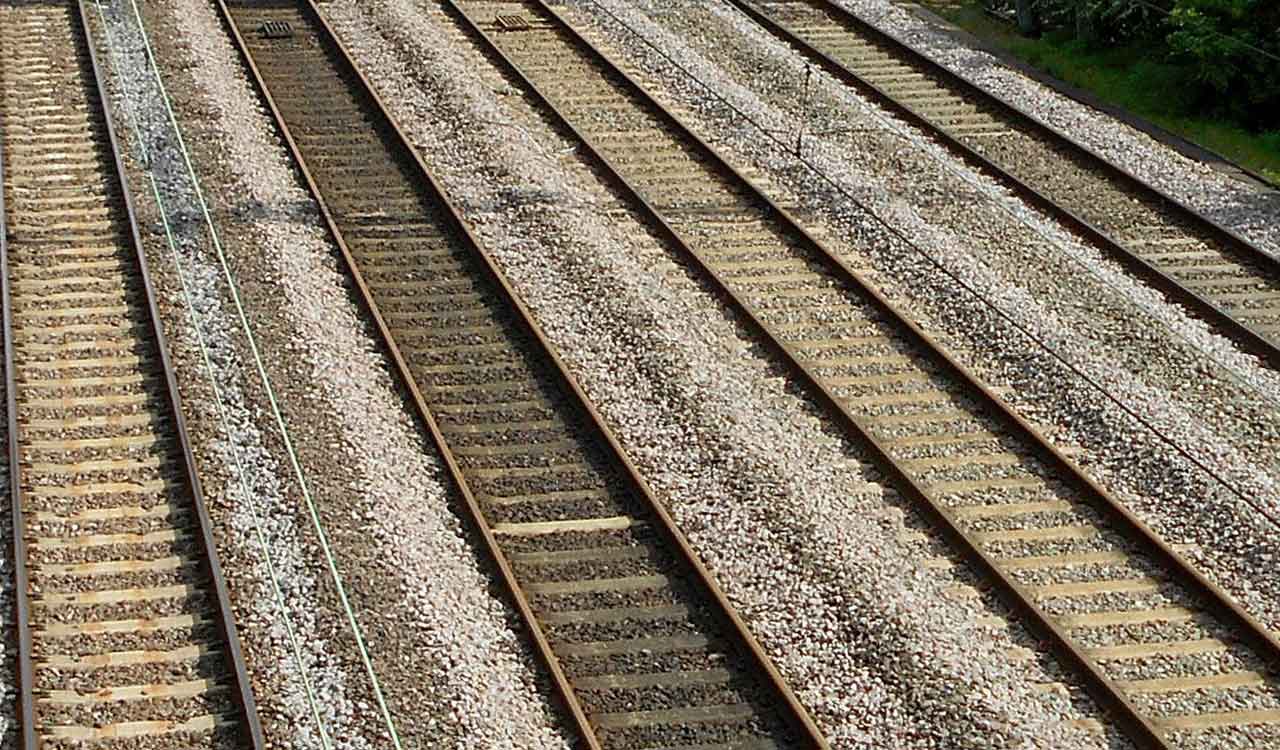


New Delhi: The Central government on Sunday proposed to develop seven high-speed rail corridors across key urban and economic centres.
These corridors will act as growth connectors, cutting travel time, reducing emissions, and supporting regional development, said Finance Minister Nirmala Sitharaman during her Union Budget 2026-27 speech.
The proposed routes include Mumbai-Pune, Pune-Hyderabad, Hyderabad-Bengaluru, Hyderabad-Chennai, Chennai-Bengaluru, Delhi-Varanasi, and Varanasi-Siliguri.
Together, they will link India’s financial hubs, technology centres, manufacturing clusters, and emerging cities with faster and cleaner mobility, said the Union Minister.
“In order to promote environmentally sustainable passenger systems, we will develop seven high-speed rail corridors between cities as growth connectors, namely Mumbai to Pune, Pune to Hyderabad, Hyderabad to Bengaluru, Hyderabad to Chennai, Chennai to Bengaluru, Delhi to Varanasi, Varanasi to Siliguri,” she said.
The Finance Minister said the government will also set up a high-level committee on banking for Viksit Bharat. This group will review the entire banking system and suggest changes to support India’s next stage of economic growth.
At the same time, it will focus on financial stability, inclusion, and protecting consumers. The Minister sent a clear message about the strength and future direction of India’s financial sector, saying that Indian banks are now in a strong position, with healthy balance sheets, high profits, and better control over bad loans.
For foreign investors, the rules on non-debt investments under foreign exchange laws will be reviewed. The aim is to make them more modern and user-friendly, in line with India’s changing economic priorities, she mentioned during her Budget speech.
For the labour-intensive textile sector, FM Sitharaman proposed an integrated programme with five key components. The first is the National Fibre Scheme, aimed at achieving self-reliance in natural fibres like silk, wool, and jute, as well as man-made and new industrial-age fibres.

Related News