Delhi air pollution: AQI hits 419, 33 monitoring stations record severe levels
Delhi's air quality remained in the severe category on Friday, with an AQI of 419 and 33 monitoring stations recording severe levels. Noida also reported severe pollution, while the IMD forecast poor conditions until November 16
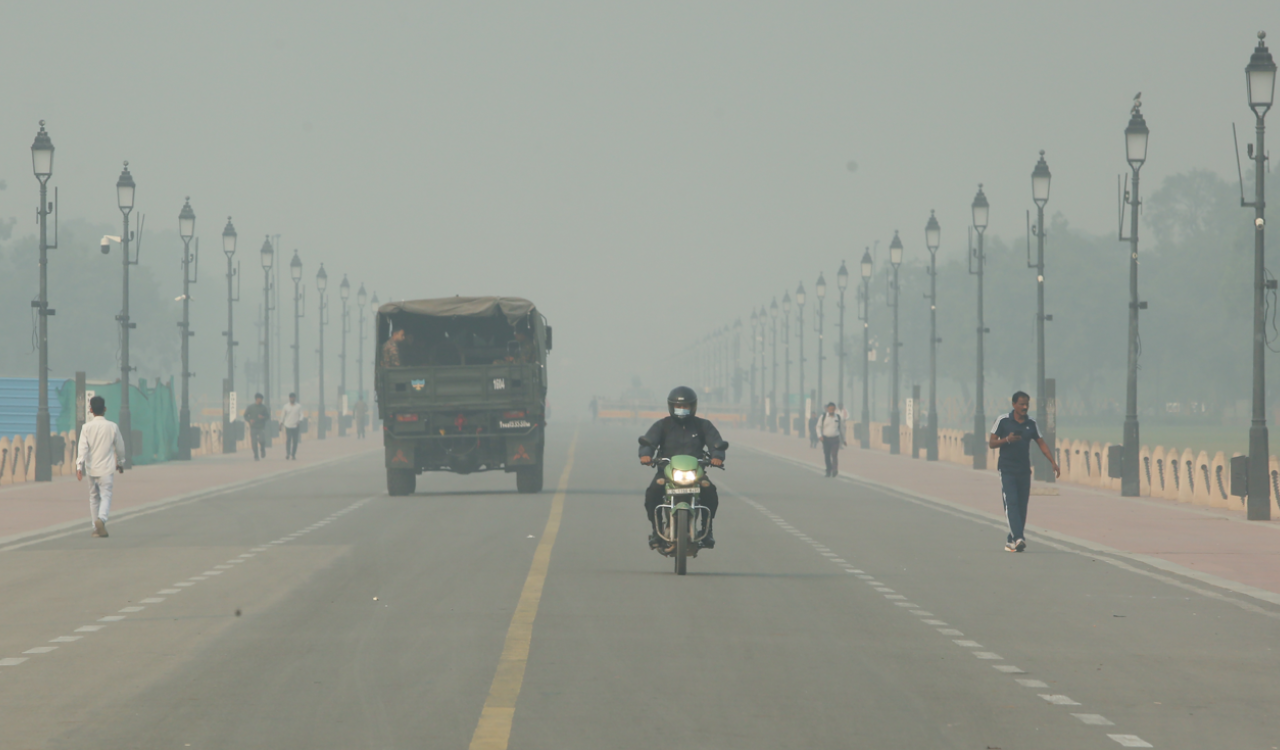


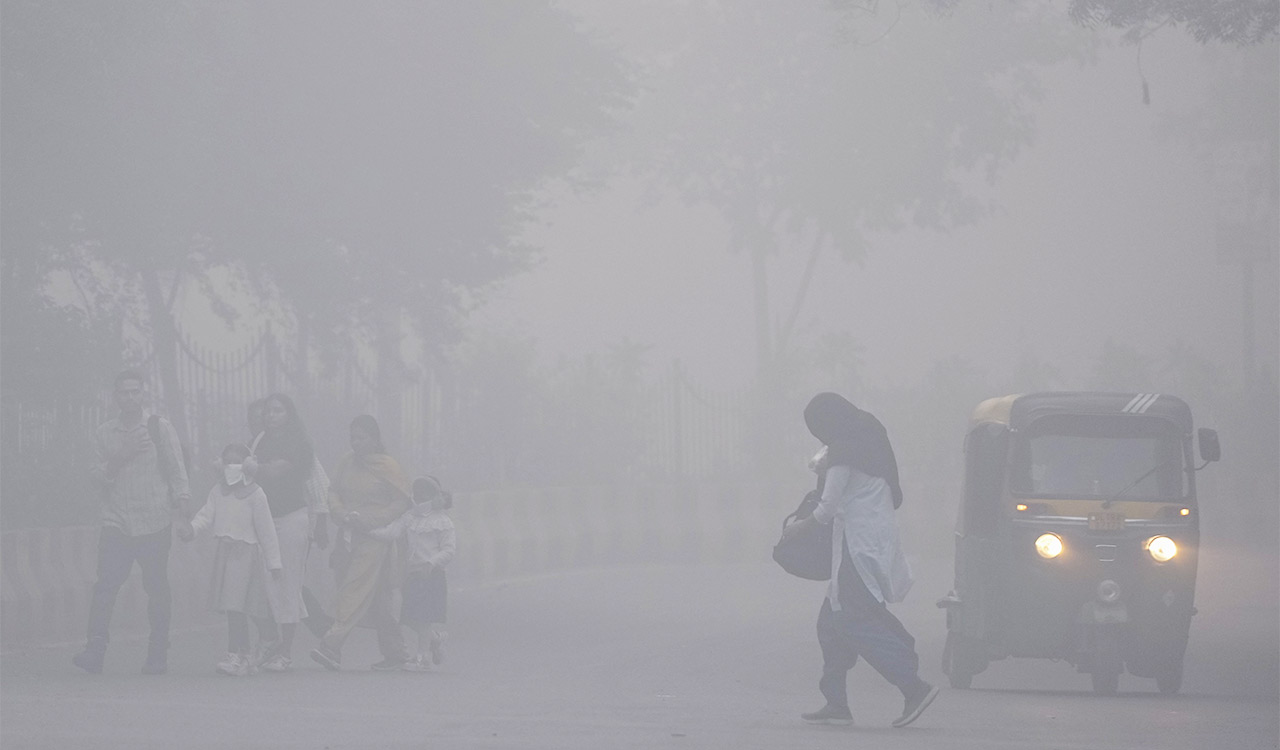
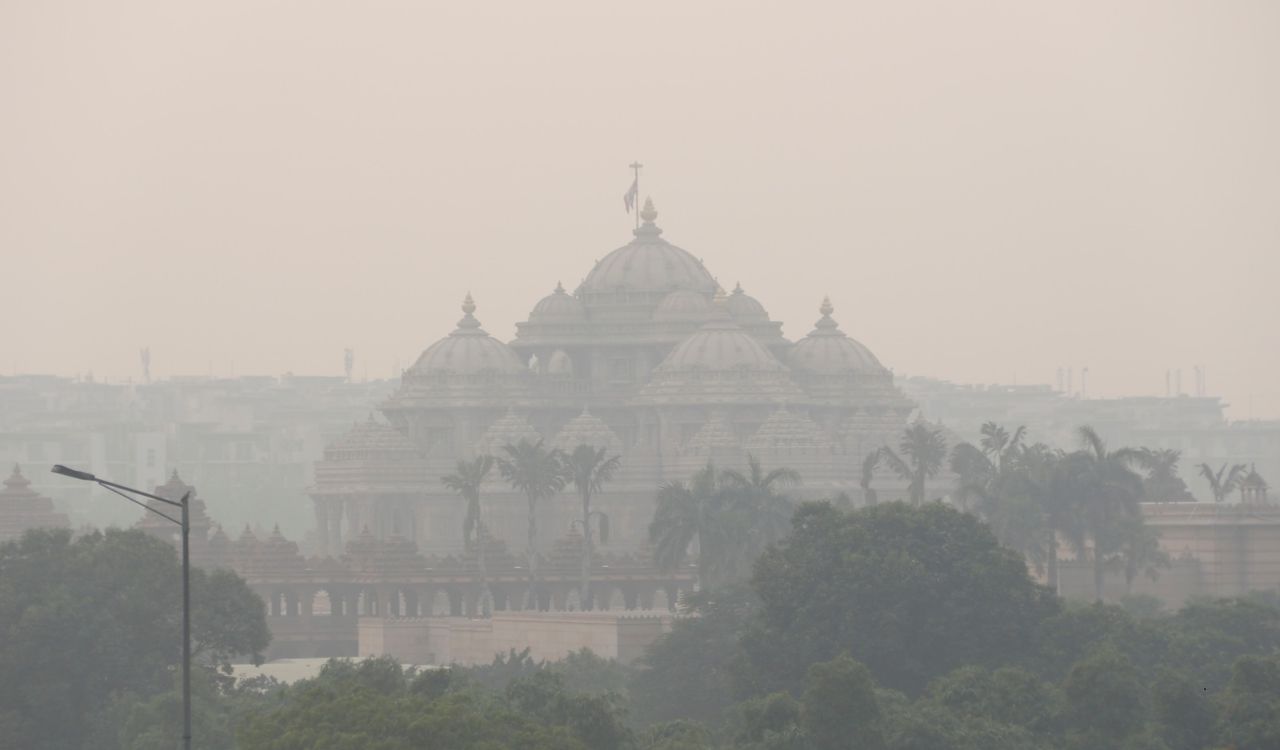
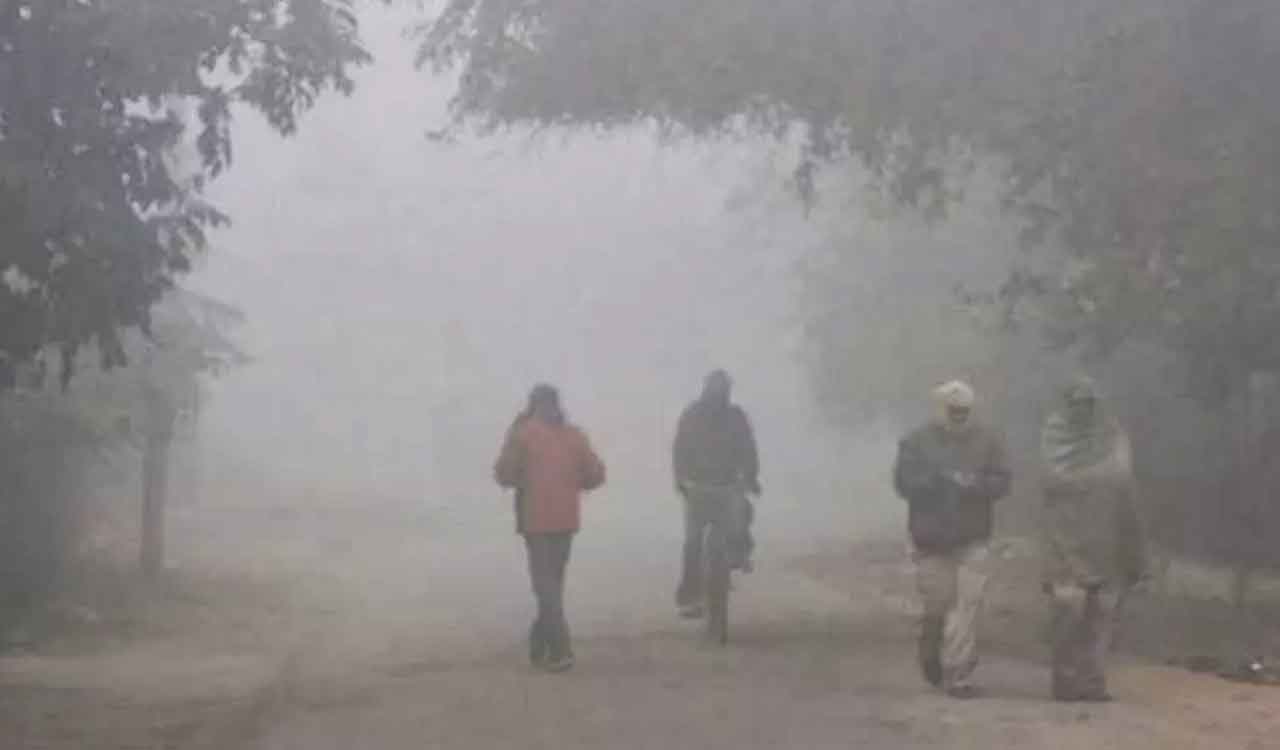
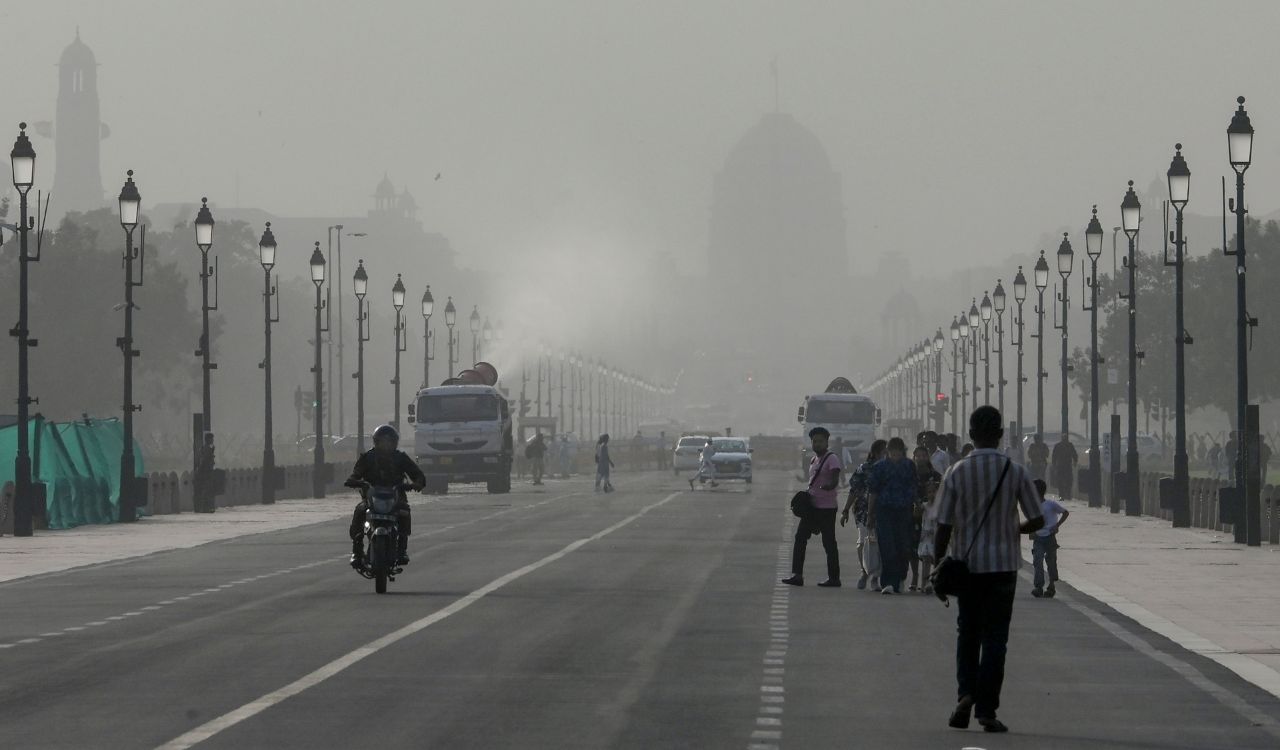
New Delhi: Air quality remained in the ‘severe’ category on Friday morning in Delhi, with the Air Quality Index (AQI) recorded at 419 at 8:40 a.m., as a thick layer of smoky haze continued to envelop the national capital.
Out of the 58 air quality monitoring stations across Delhi, 33 recorded ‘severe’ air quality, with several locations reporting AQI levels above 450, according to data from the Central Pollution Control Board (CPCB).
Among the monitoring stations, Burari recorded an AQI of 398, Karala 340, Ghoga 365, Nangloi 365, Maidan Garhi 367, Tikri Kalan 402, Ghummanhera 353, Chhawla 425, NIH Narela 445, Talkatora Garden 436, Badarpur 403, Aya Nagar 433, Punjabi Bagh 456, Shadipur 385, Sirifort 418, Pusa 469, Chandni Chowk 479, Burari Crossing 456, North Campus, Delhi University, 478, IIT Delhi 488, Mundka 435, DTU 443, Okhla Phase-2 400, Sonia Vihar 409, Bawana 413 and Cantonment Area 160.
The average AQI in adjoining Noida was also in the ‘severe’ category at 474, according to CPCB data recorded at 8:05 a.m.
Other cities in the National Capital Region (NCR) reported ‘very poor’ air quality, with Gurugram recording an AQI of 352, Ghaziabad 369 and Greater Noida 351.
According to CPCB standards, an AQI between 0 and 50 is classified as ‘good’, 51-100 as ‘satisfactory’, 101-200 as ‘moderate’, 201-300 as ‘poor’, 301-400 as ‘very poor’ and 401-500 as ‘severe’.
Meanwhile, data from AQI.in showed that 86 of the world’s 100 most polluted cities on Friday were located in India.
The India Meteorological Department (IMD) has forecast that Delhi’s air quality is likely to remain between the ‘very poor’ and ‘severe’ categories until November 16. Improved wind conditions may bring some relief thereafter.
Air pollution levels in Delhi generally rise sharply during the winter months. The situation is aggravated by several factors, including post-Diwali firecracker emissions, stubble burning in Punjab and Haryana, vehicular pollution, falling temperatures, low wind speeds, and emissions from industries and coal-fired power plants.
On November 6, the Commission for Air Quality Management (CAQM) invoked Stage III restrictions under the Graded Response Action Plan (GRAP) across Delhi and the National Capital Region as a precautionary measure amid deteriorating air quality.
Meanwhile, the maximum temperature in Delhi is expected to remain between 27 and 30 degrees Celsius, while the minimum temperature is likely to hover between 14 and 17 degrees Celsius until November 15.

Related News