Diwali sweet prices leave bigger hole in families’ budgets
Diwali celebrations are set to become costlier this year, with sweet prices rising by 20-25 per cent across Hyderabad due to increased sugar, ingredient and production costs. Dry fruit-based sweets have witnessed even steeper price hikes amid rising prices of cashews, almonds and pistachios.
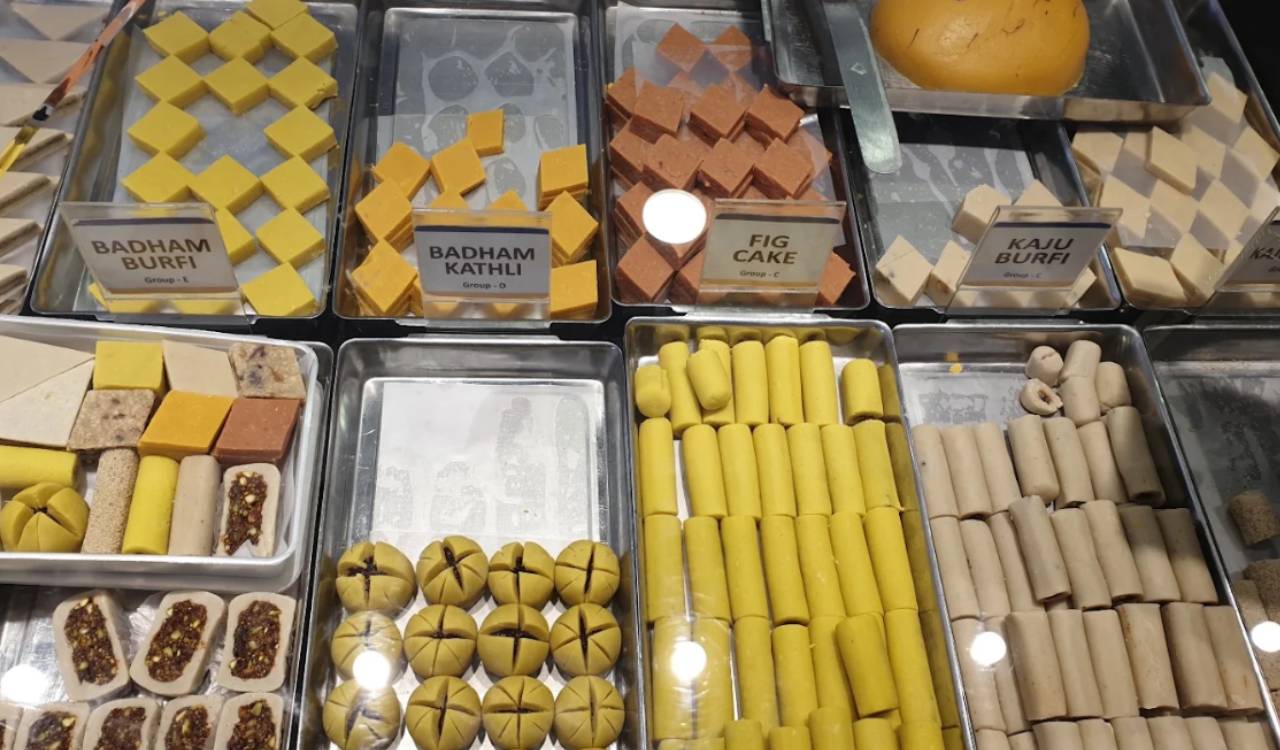


Hyderabad: This Diwali, the sweetness of celebrations is set to leave a bigger hole in families’ budgets as the prices of sweets have risen by 20 to 25 percent ahead of the festival. From traditional sweets to dry fruits, the cost of filling festive boxes is set to burden households.
A kilogram of gulab jamun and kalakand, which are among the most popular sweets during the festivities, now costs between Rs. 900 and Rs. 1,200. Other commonly consumed sweets, including rasgulla, soan papdi, rasmalai, balushahi and motichoor laddu, are priced between Rs. 800 and Rs. 1,100 per kg.
The price rise comes amid higher sugar prices, which have increased by 17 to 20 percent over the past couple of months. A kilogram of sugar now costs between Rs. 60 and Rs. 70, as against Rs. 45 in July and August.
“Ingredient prices and the cost of production have gone up considerably over the past couple of months. We have no option but to pass on the increased costs to customers,” said a manager at a sweets outlet in Himayatnagar.
Consumers opting for dry fruit-based sweets or buying dry fruits separately will have to shell out even more. A kilogram of kaju barfi or kaju katli, anjeer dry fruit laddu, dry fruit halwa or anjeer kaju barfi costs between Rs.1,800 and Rs. 2,900, depending on the variety.
Sweet shops have raised prices as dry fruit costs have also increased. Cashews and almonds, which are key ingredients in sweets such as kaju katli and badam barfi, are priced between Rs. 960 to Rs.1,300 per kg and Rs.1,080 to Rs. 4,000 per kg respectively depending on the variety.
Pistachio prices have also increased to Rs. 3,000 per kg, while premium varieties cost around Rs. 3,500 per kg. Dry fruit sellers attributed high prices to the US-Iran conflict affecting imports of nuts and dry fruits from Middle Eastern countries and Afghanistan. Lower imports from these countries have pushed up prices despite the Central government’s recent decision to reduce the GST on nuts from 12 percent to 5 percent.
“Given the ongoing conflict between the US and Iran, and the rise in Brent crude oil prices and freight charges, we expect prices to increase further in the coming months,” said Rajesh, a dry fruit retailer in the Old City.

Related News