Four construction projects in Hyderabad, Ranga Reddy face closure over environmental violations
The Telangana Pollution Control Board's task force committee has recommended closure orders for four construction projects in Hyderabad and Rangareddy districts for operating without obtaining Consent for Establishment (CFE).


Hyderabad: The Telangana Pollution Control Board (TGPCB)’s task force committee has recommended closure orders for four construction projects that were carrying out construction activities without obtaining Consent for Establishment (CFE) from the Board, violating prescribed norms, in Hyderabad and Rangareddy districts. It also recommended issuing stop-construction orders to another project for non-compliance.
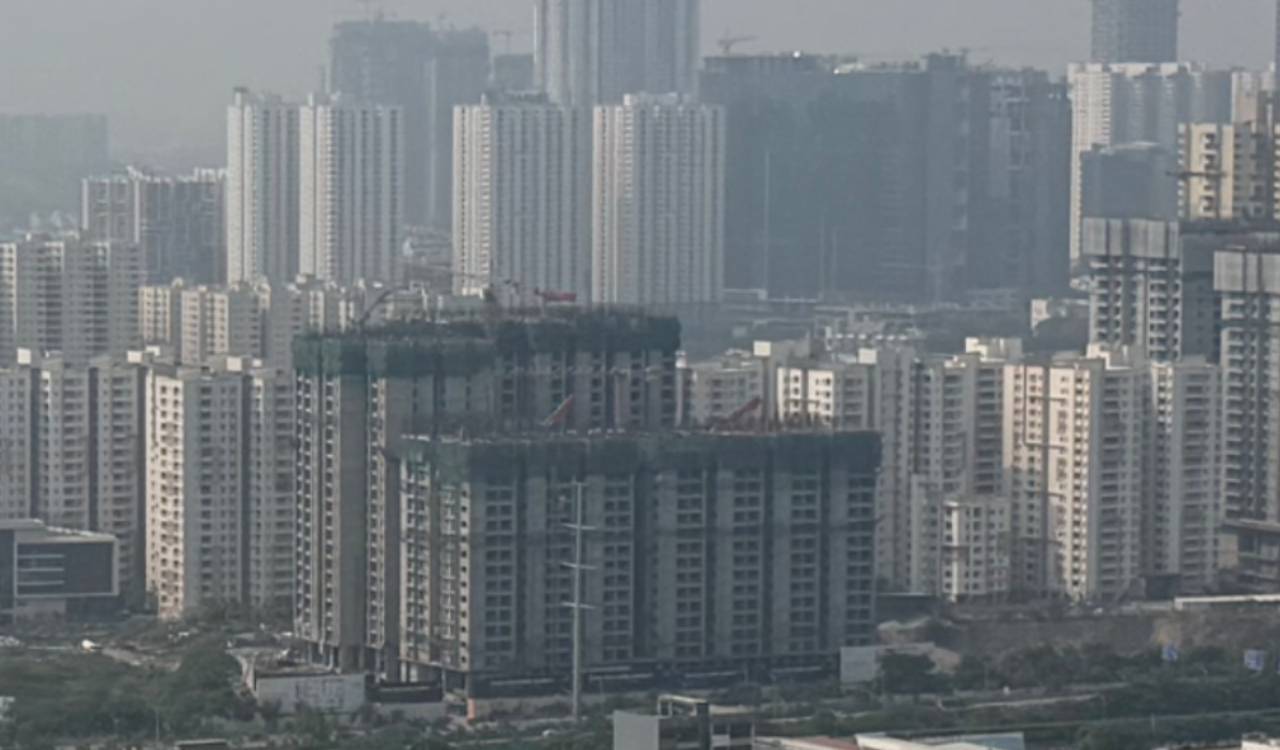
These recommendations follow the rolling inspections by the Board’s task force teams which found several environmental violations during inspections of construction projects in Hyderabad and Rangareddy districts. The inspections were carried out following complaints of air pollution from construction projects.
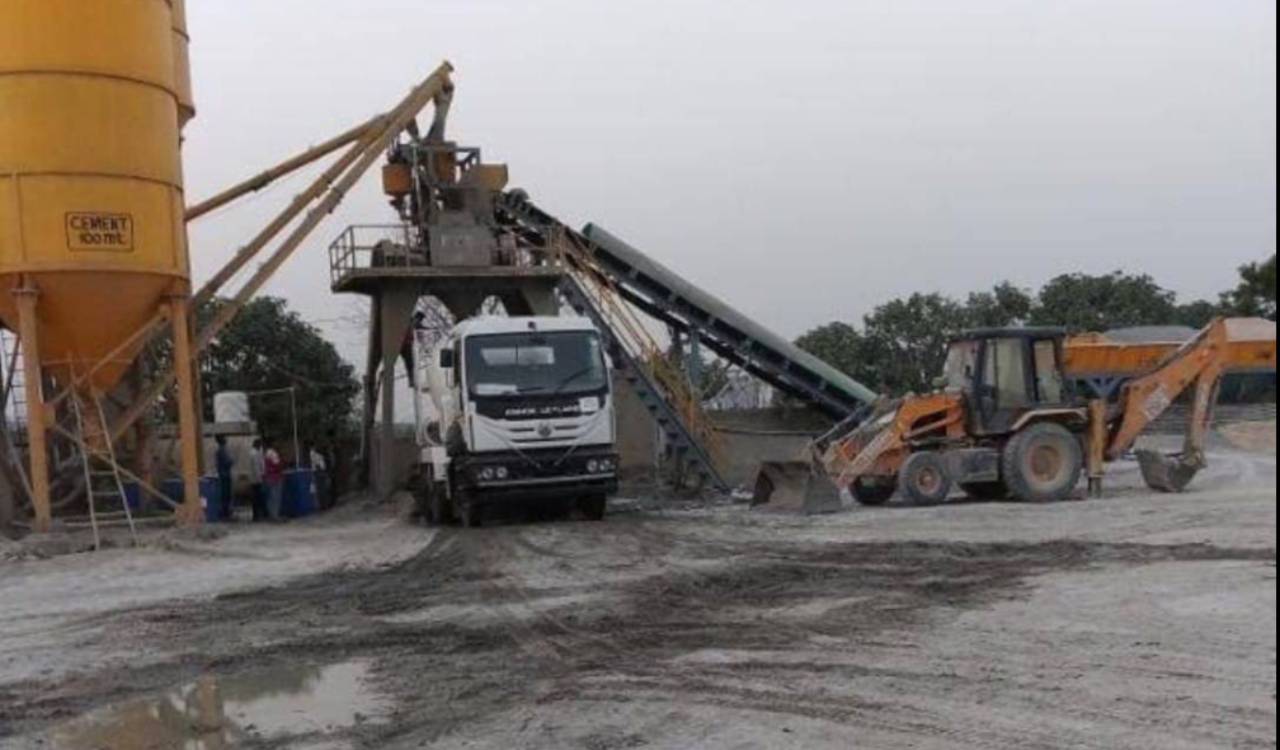
The task force committee, which reviewed the compliance status of 18 construction projects in the city on Wednesday, recommended the closure of the captive Ready Mix Concrete (RMC) plant associated with a non-compliant construction project that was operating without obtaining Consent for Operation (CFO) from the TGPCB and without implementing adequate pollution control measures.
It was decided to levy environmental compensation on projects where major non-compliances were identified and to forfeit bank guarantees furnished by other projects where minor non-compliances were observed. During the meeting, directions were issued to ensure that non-compliant projects rectify identified deficiencies within 10 days.
Earlier, inspection teams found several violations at construction projects, including the absence of wind-breaking walls of at least 10 metres, dust accumulation on internal roads, footpaths and main roads within and around the project premises, failure to regularly clean and sprinkle water on roads within project premises to prevent dust generation and the storage of construction materials such as sand, dust and debris in open areas, resulting in dust emissions.

Related News
-

Thick smog blankets Delhi on Diwali night, AQI at 20 monitoring stations ‘severe’
-
Punjab registers 710 FIRs over stubble burning, imposes Rs 46.10 lakh fine
-
Industries advised to utilise treated wastewater as drought grips Telangana
-
Bombay HC orders BMC to re-upload Dia Mirza’s anti-cracker video, raps political criticism