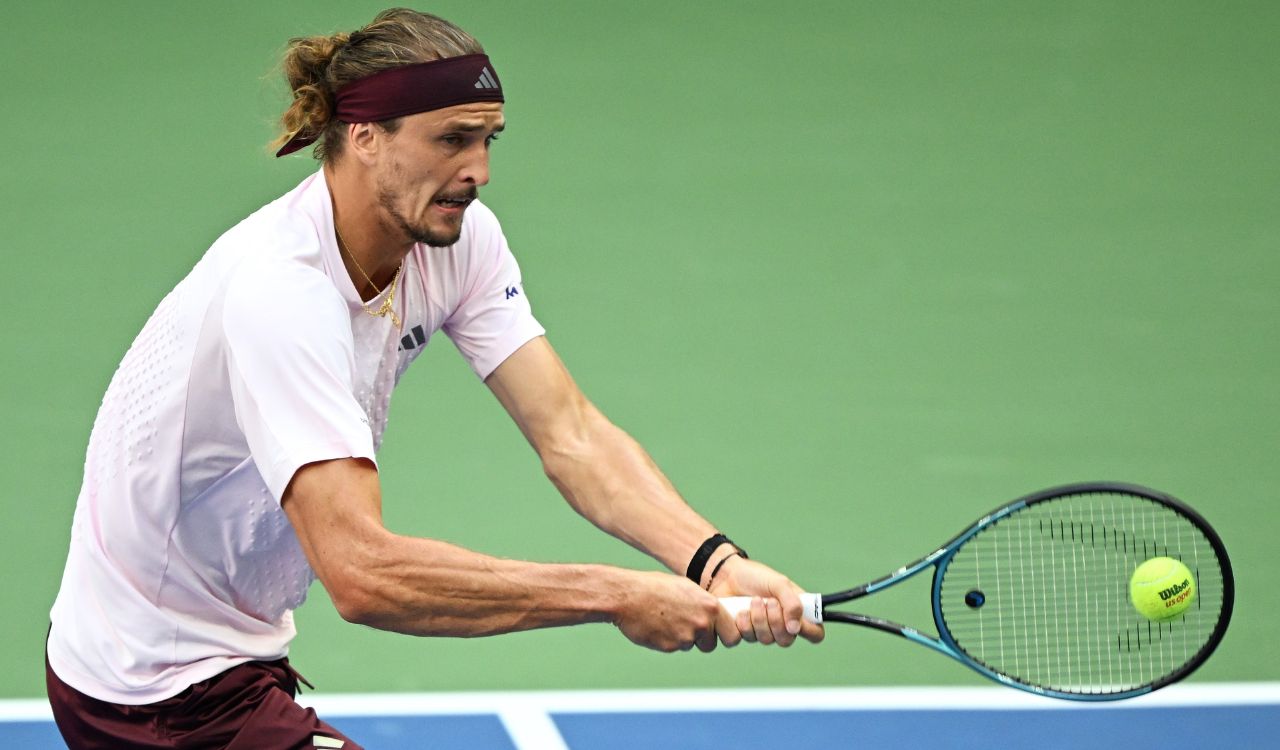
From diabetes diagnosis at four to World No. 1: Zverev shares inspiring journey
Alexander Zverev has opened up about his journey with Type 1 diabetes, revealing how his mother's support helped him pursue professional tennis. Diagnosed at four, the German says becoming World No. 1 is also an inspiration for others
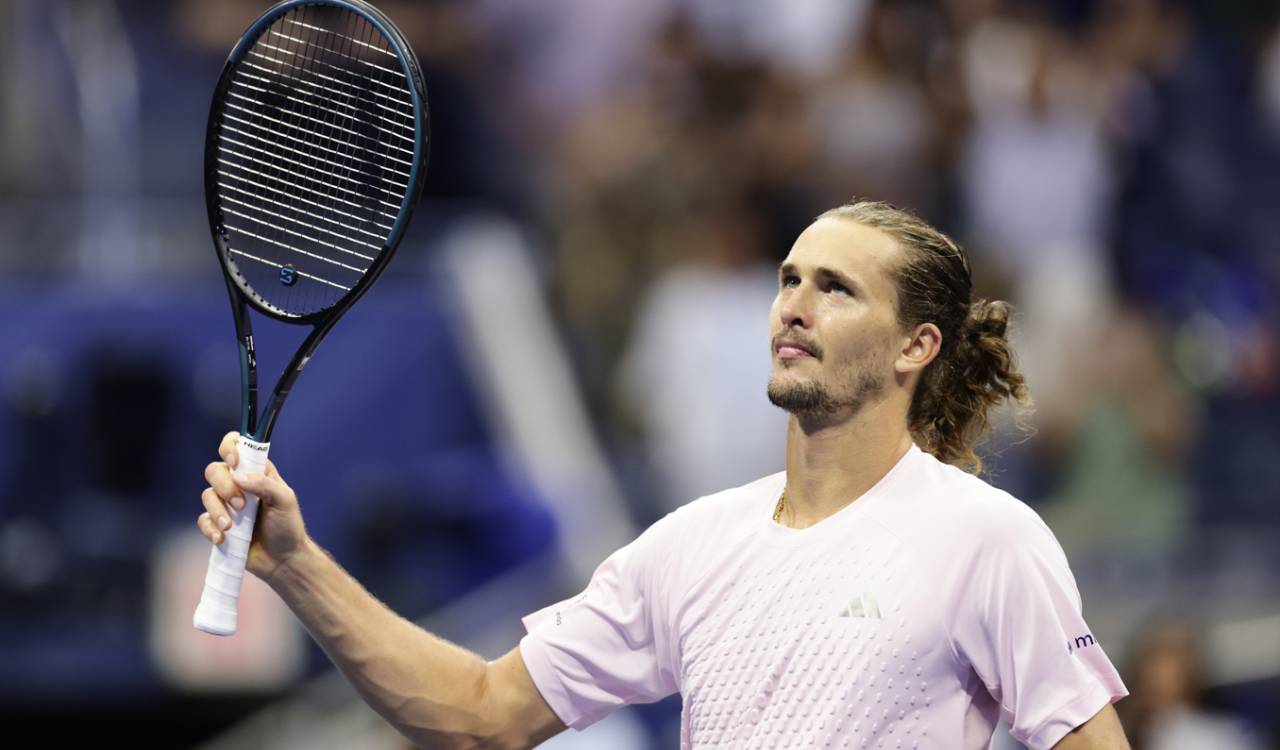


New Delhi: Alexander Zverev achieved a significant milestone on Monday when he became the 30th player to reach World No. 1 in tennis following a remarkable 2026 season.
Zverev won his first two Grand Slam titles this year — the French Open (Roland Garros) and the US Open — as he ascended to the top of the rankings, becoming the second-oldest player to reach World No. 1 for the first time. He was 29 years and six months old when he claimed the top spot and is younger only than John Newcombe, who was 30 when he became World No. 1 in 1974.
Zverev is already an Olympic champion, a two-time ATP Finals winner and a 26-time tour-level title winner. He has now reached the top of the world rankings and secured the year-end No. 1 spot.
Zverev penned a note on the ATP website about his journey, reflecting on how Type 1 diabetes did not stop him from becoming World No. 1. He was diagnosed with the condition when he was four, and doctors had told his family that pursuing a professional sports career would be nearly impossible for him. He takes injections during matches to manage the condition.
In his note, he highlighted how his mother, Irina, played an instrumental role in helping him manage the condition while his father, Alexander Sr., and brother, Mischa, were away on tours.
“When I was born, Mischa was almost 10 years old, and by the time I was old enough to play sports, my father was travelling with him to junior tournaments to help him achieve his dreams. So while everyone supported me, it was mostly my mom and I back home doing everything together. And that is not just related to tennis,” Zverev wrote.
“When I was four years old, I was diagnosed with Type 1 diabetes. When that happened, my mom said, ‘Okay, he’s still going to be able to play tennis. He’s still going to be able to achieve the dreams that he has’.
“No matter what obstacle was going to be in my way, she was not going to let anything stop me. I don’t want to say living with Type 1 diabetes helped me in my tennis career, or in life in general. But it definitely made me grow up a bit quicker than I probably would have done without it,” he added.
The German detailed how he took special care of himself during his early school years, including injecting himself and monitoring his blood sugar levels when he ate. He added that his mother did not let him listen to conversations with doctors and never allowed his dream to slip away.
“I think it’s actually more difficult for the parents because it is a shock to walk into a doctor’s office for them to say that their child has diabetes and will have diabetes for the rest of his or her life. The doctors start to tell the parents that different things are not possible for their child and that doing certain activities, like sports, might not be the best life choice. My mom would send me out of the room during those conversations, because she did not want me to hear what was going on.
“But my mom never accepted those things and would do everything in her power to help me make my dreams come true. Because of that, I never really had any doubt that I could achieve anything, and that was thanks to having a very strong mother by my side. And again, she was my tennis coach until the age of 16, too,” he added.
Zverev added that he had created the Alexander Zverev Foundation to support children with the condition and said his World No. 1 ranking was not his achievement alone.
“It’s a weird circumstance because of Jannik’s injury. This is not the way that you want to reach the top of the sport. Ideally, you would become World No. 1 when everybody is healthy and playing at their best. But now I am here: World No. 1.
“Most importantly, I feel like me being World No. 1 is extremely important to a large group of people who have the same issues with diabetes. This is not about me.
“It is great to show everyone out there that they can really achieve their dreams, even with this illness. Yes, with diabetes, you have to grow up faster and take care of yourself a bit better. But everything is possible, and you will be able to live a fulfilled life with it. I’m proud as a Type 1 diabetic to show that to families dealing with the disease. And if ever there will be another World No. 1 with diabetes, I would be the happiest person in the world,” he concluded.

Related News