From forged signatures to legislative revolt: The 13 days that split TMC
What began with an unexpected encounter between Ritabrata Banerjee and Suvendu Adhikari on May 22 snowballed into a full-fledged rebellion, ending with 58 MLAs seizing control of the TMC legislature party and triggering the party's first major split


Kolkata: An “accidental” meeting in Delhi, a signature-forgery controversy, simmering resentment over the influence of TMC MP Abhishek Banerjee and a succession battle — developments that unfolded with breathtaking speed over just 13 days leading to the first split in the 28-year-old party.
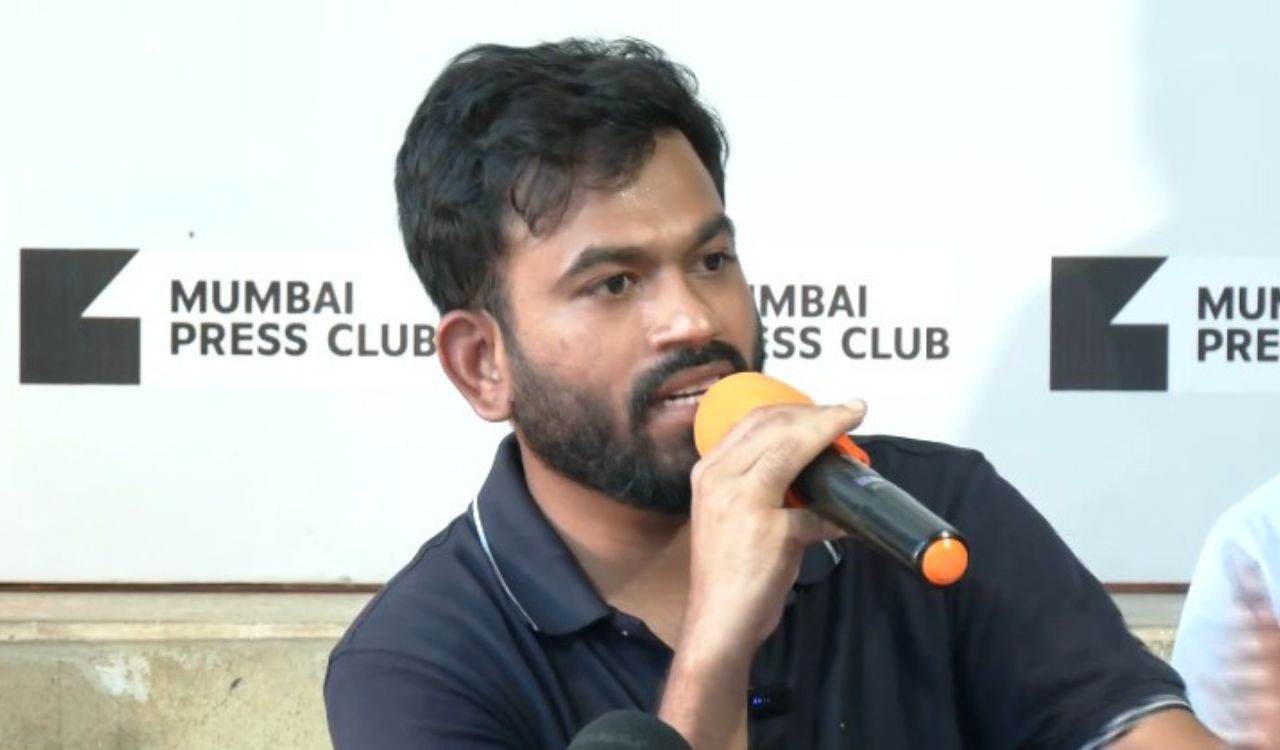
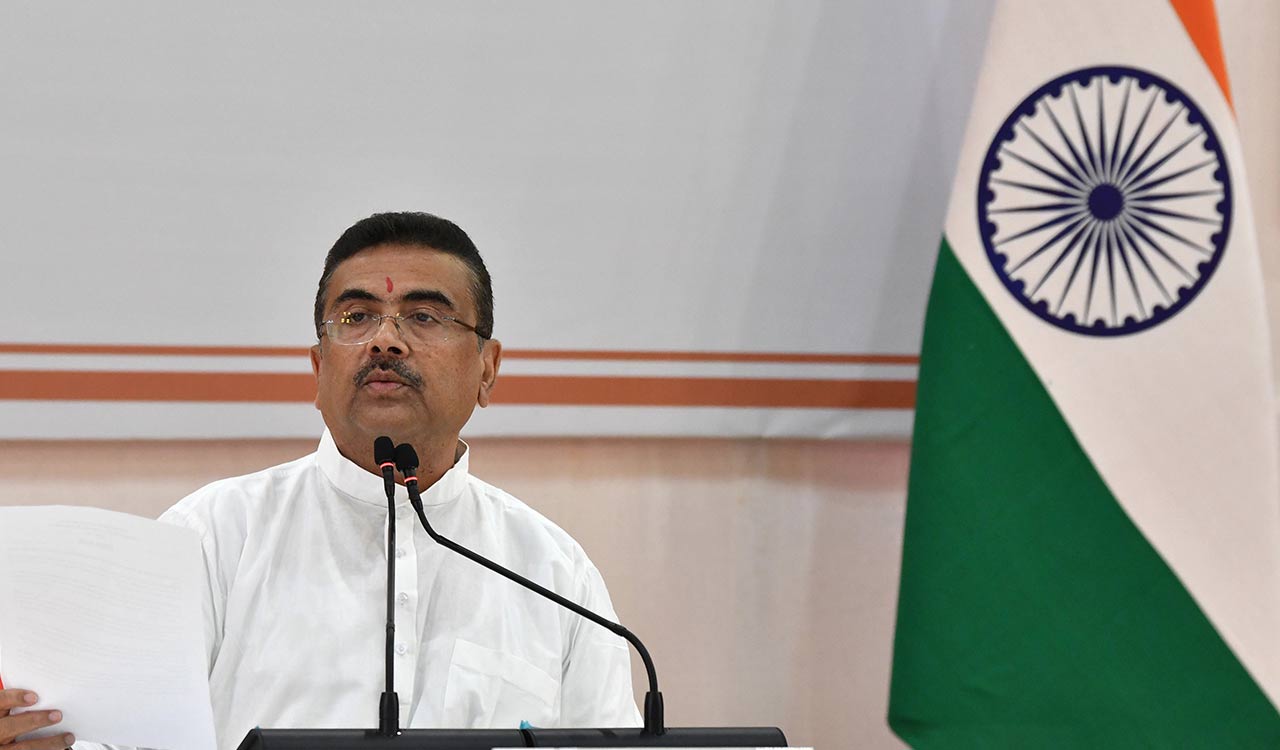
What began with an apparently chance encounter between rebel TMC MLA Ritabrata Banerjee and Chief Minister Suvendu Adhikari at Banga Bhavan on May 22 ended on Wednesday with 58 MLAs wresting control of the party’s legislature wing, electing Ritabrata as their leader and securing recognition from the Assembly Speaker.
The rebellion formally fractured a party founded by Mamata Banerjee on January 1, 1998, after breaking away from the Congress.
Yet the seeds of the revolt had been sown much earlier.
Soon after the Assembly poll defeat on May 4 at the hands of the BJP, unease began surfacing within sections of the party over what some legislators perceived as the growing concentration of authority around Abhishek Banerjee, the nephew of the party chief.
At a meeting of newly elected MLAs on May 6, Mamata Banerjee reportedly asked legislators to rise and applaud Abhishek for his role in the campaign. While intended as recognition of his contribution, the gesture triggered murmurs among a section of legislators who felt the party was increasingly revolving around one family.
The first public signs of dissent emerged on May 19. At another meeting, Ritabrata Banerjee and Entally MLA Sandipan Saha questioned why Falta MLA Jahangir Khan had not been expelled despite publicly announcing his withdrawal from the repoll. Since Jahangir was regarded as being close to Abhishek, the criticism was widely interpreted as a challenge to the TMC national general secretary.
Veteran MLA Kunal Ghosh also voiced similar concerns, though he would later distance himself from the rebel camp.
The turning point came three days later. On May 22, Ritabrata, who was in Delhi to complete post-Rajya Sabha formalities following the end of his tenure, visited Banga Bhavan for lunch. There he bumped into Chief Minister Suvendu Adhikari.
Afterwards, he publicly welcomed Adhikari’s decision to invite opposition legislators and MPs to administrative review meetings, describing the move as a healthy democratic practice. The remarks immediately drew attention in political circles.
Within days, however, a separate controversy engulfed the TMC. On May 25, allegations surfaced that signatures of several legislators had been forged on documents submitted to the Speaker regarding the leadership structure of the legislature party.
The dispute acquired a legal dimension on May 27 when Ritabrata and Sandipan formally complained to the Speaker, alleging forgery. The Assembly secretariat subsequently approached the police, triggering a CID investigation.
As investigators began questioning legislators over the next two days, the controversy transformed from a procedural issue into a political dispute.
The signature row became a rallying point for disgruntled MLAs, triggering intense lobbying, strategy meetings and behind-the-scenes mobilisation across the state.
The crisis deepened further on May 30 when Abhishek Banerjee came under a mob attack during a visit to Sonarpur.
While political parties condemned the incident, several TMC leaders privately noted the muted response from sections of the organisation and the legislature party, seeing it as evidence of a widening disconnect between the leadership and a section of elected representatives.
By May 31, the erosion of authority had become visible. A meeting of newly elected MLAs convened by Mamata Banerjee at her Kalighat residence reportedly witnessed poor attendance, depriving the leadership of the show of unity it had hoped to project.
The decisive rupture came on June 1. Hours after Adhikari publicly disclosed that the CID probe had been initiated based on complaints filed by Ritabrata and Sandipan, the TMC expelled both leaders from the party.
Instead of containing the crisis, the move accelerated the rebellion.
The expelled leaders sharpened their attack on Abhishek Banerjee, accusing him of centralising power within the organisation. Within rebel circles, the campaign soon acquired a name — “Operation Crown Prince”.
Even as the party attempted to regain control by sending fresh communications to the Speaker on June 2 regarding the legislature party leadership, support continued shifting towards the dissidents.
The denouement arrived on Wednesday. A group of 58 MLAs submitted a letter to the Speaker, electing Ritabrata Banerjee as leader of the legislature party and nominating a new leadership team.
The Speaker accepted the claim, effectively recognising the rebel faction as the official legislature wing of the TMC. Minutes later, many of the same legislators attended a government review meeting convened by Adhikari at the state secretariat Nabanna.
For a rebellion that began with a lunch-table conversation in Delhi and gathered momentum through allegations of forged signatures, organisational resentment and a battle over succession, the final act played out inside the Assembly itself.
In just 13 days, a party built around Mamata Banerjee’s personality and political dominance witnessed the biggest rupture in its existence.
The irony of the moment was hard to miss. Not long ago, Ritabrata frequently invoked Vladimir Lenin while explaining Mamata Banerjee’s political appeal, arguing that he understood the Bolshevik leader’s theories on mass politics by watching the TMC supremo work among ordinary people.
On Wednesday, the former CPI(M) leader found himself at the head of what supporters described as a “legislative revolution” against the very leader he once compared to Lenin.
American journalist John Reed immortalised the Bolshevik Revolution in his classic account, “Ten Days That Shook the World”.
Between May 22 and June 3, Bengal witnessed a political upheaval of its own: 13 turbulent days that shook TMC, reshaped the state’s principal opposition party and altered the course of its politics.

Related News