Fuel prices unchanged despite excise duty cut, says government
The government has kept petrol and diesel prices unchanged despite reducing excise duty by Rs 10 per litre, using the relief to offset losses of oil marketing companies amid rising global crude prices and supply disruptions linked to West Asia tensions
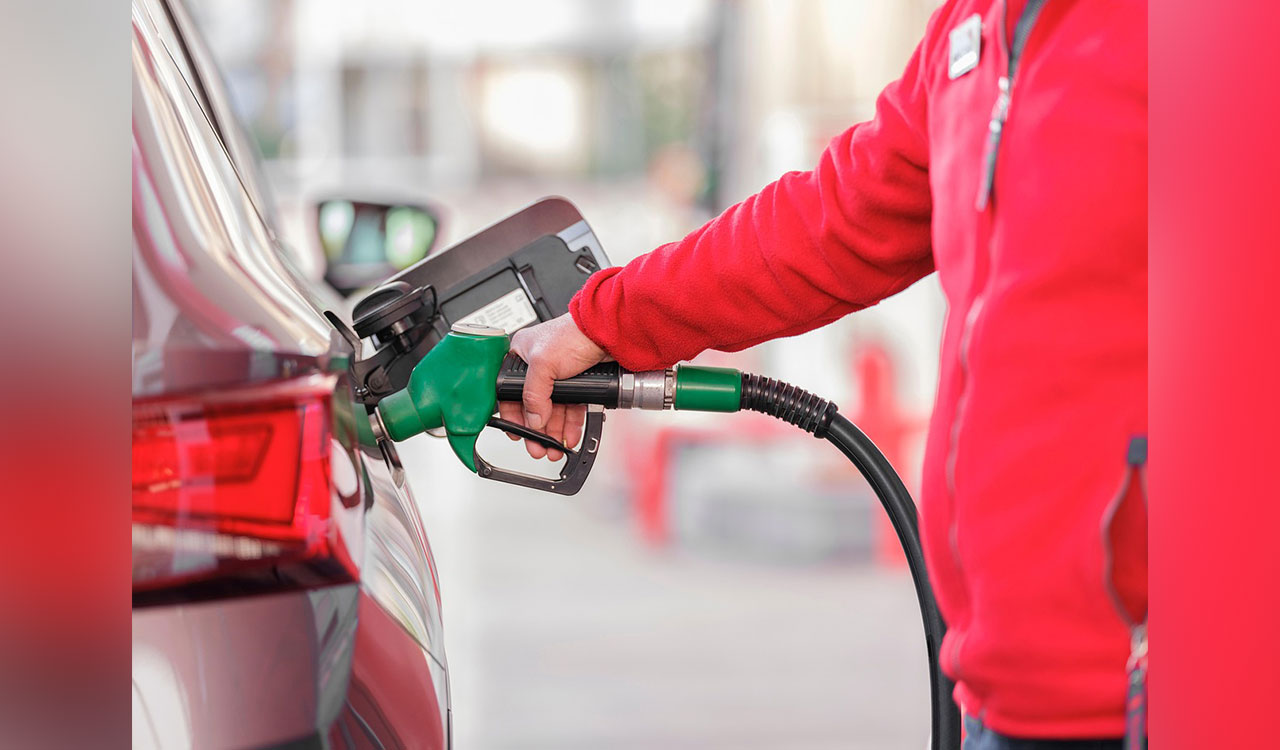


New Delhi: The government on Friday said retail pump prices of petrol and diesel will not change, and the excise reduction is not being passed on as a price cut at the pump.
Instead, it directly reduces the under-recoveries being absorbed by public sector oil marketing companies (OMCs) — Indian Oil Corporation, Bharat Petroleum Corporation and Hindustan Petroleum Corporation — who have continued to supply fuel to Indian consumers at prices well below their cost of supply, the Petroleum Ministry said.
At current international crude prices, under-recoveries stand at approximately Rs 26 per litre on petrol and Rs 81.90 per litre on diesel.
The combined daily under-recovery being absorbed by OMCs is approximately Rs 2,400 crore.
The excise reduction offsets Rs 10 per litre of these losses, ensuring OMCs can continue to supply fuel without disruption while keeping retail prices unchanged, said the ministry.
The government has reduced excise duty by Rs 10 per litre on both petrol and diesel with immediate effect.
“This decision has been taken in response to the steep and rapid rise in international crude oil prices, which have surged from approximately $70 per barrel to around $122 per barrel over the past month — an increase of nearly 75 per cent in under four weeks, driven by the ongoing conflict in West Asia and associated disruptions to global energy supply chains,” the ministry said.
The contrast with global fuel markets is instructive. Fuel prices have risen by 30 to 50 per cent across South and South-East Asian countries, 30 per cent in North America, and 20 per cent in Europe since the onset of the current crisis. India has held the line. That stability carries a fiscal cost, and the government has chosen to bear it.
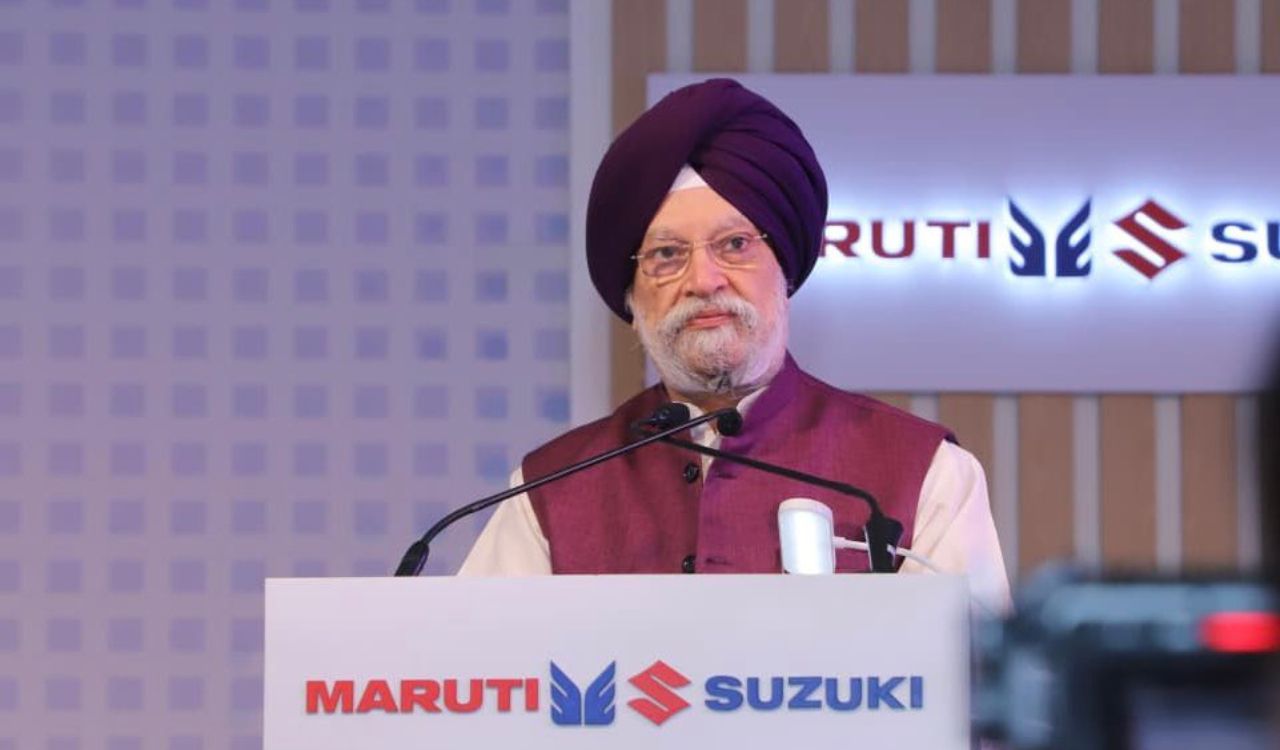
Earlier in the day, Minister for Petroleum and Natural Gas, Hardeep Singh Puri, said that Prime Minister Narendra Modi decided to take a hit on government finances to safeguard the Indian citizen.
“The government has taken a substantial impact on its taxation revenues to reduce the high losses being faced by oil marketing companies at this time of sky-high international prices,” he mentioned.
Alongside the excise reduction, the government has simultaneously introduced an export levy on diesel. At a time when international diesel prices have surged sharply, the levy is designed to disincentivise exports and ensure that refinery output is directed first towards meeting domestic demand.
Keeping Indian pumps fully supplied takes precedence over export opportunities, however commercially attractive those may be at current global prices. The government will continue to monitor the evolving global energy situation and take all measures necessary to maintain supply stability and price protection for Indian consumers.

Related News