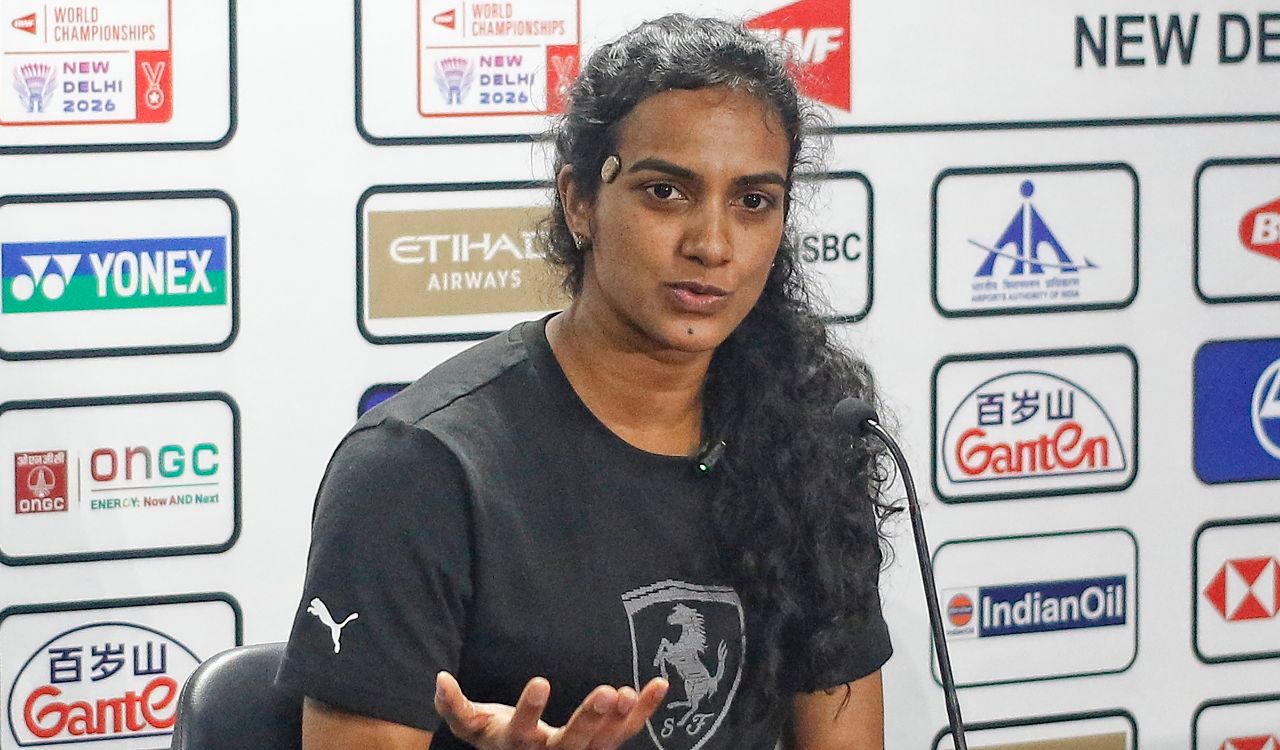
Gopichand says BWF’s new 15-point scoring system could wipe out some badminton players
India coach Pullela Gopichand believes badminton's new 15-point scoring system will significantly change the sport, benefiting some players while sidelining others. He also questioned the BWF's rationale for the change and admitted India lacks a succession plan in men's doubles
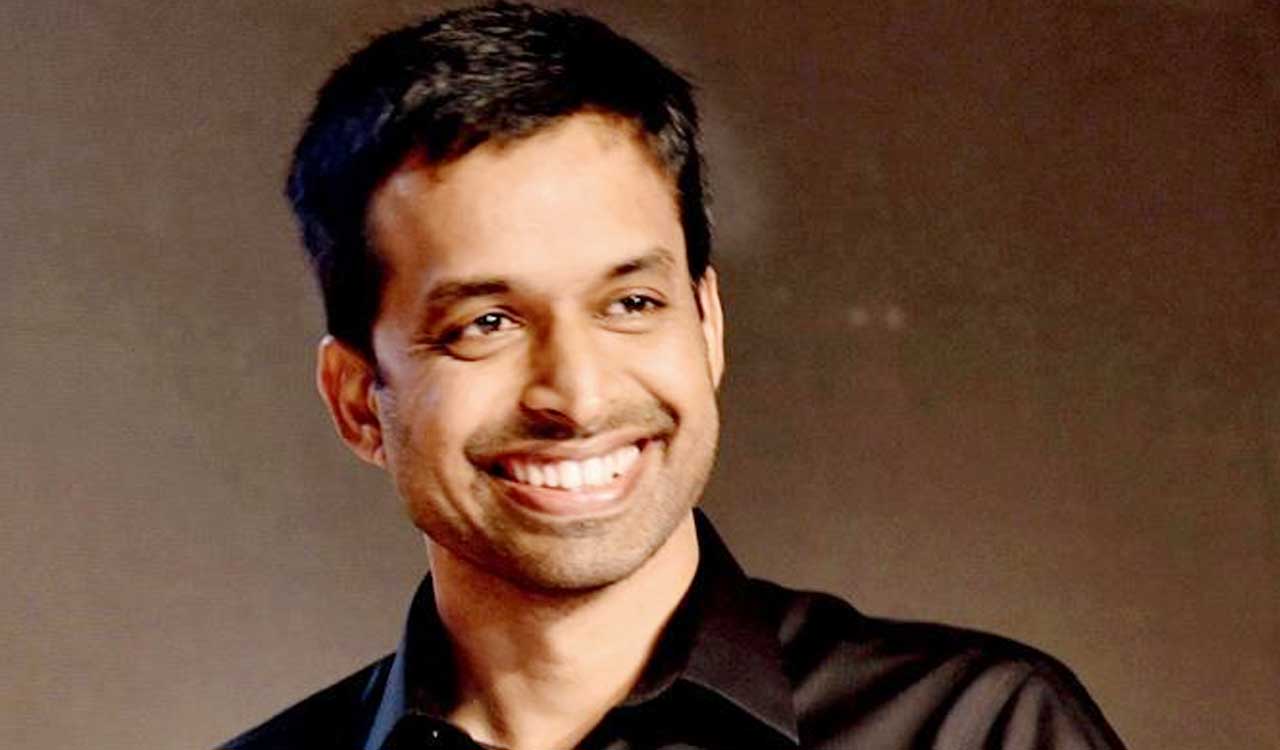


New Delhi: Pullela Gopichand still remembers the disruption caused by badminton’s scoring overhaul during his playing career. As the sport gears up to embrace another tactical shift, the India coach believes a few players could be “wiped off”.
The 15×3 system (three games of 15 points each) will replace the current 21×3 format (three games of 21 points each) next year. The Badminton World Federation (BWF) said the shorter format would help manage player workload in an increasingly crowded calendar.
Gopichand recalled that he won the All England title in 2001 under the traditional 15-point format before badminton briefly switched to the 7×5 scoring system.
The experiment was abandoned within a year, with the sport reverting to the traditional 15-point scoring system for men and the 11-point format for women.
“When I won the All England, a few months later they moved from 15 to 7. It took me time because I was one of those players who relied on stroke play. I needed time to adjust. It took me a year to come back,” Gopichand said while responding to a PTI query ahead of the World Championships.
“By the time I had started settling in, they brought back the longer format, and it was a death blow. You train, then retrain, your endurance drops, and going back to playing 15 points became extremely difficult. Such changes definitely have a big impact. A few players will be wiped off, while a few others might benefit.”
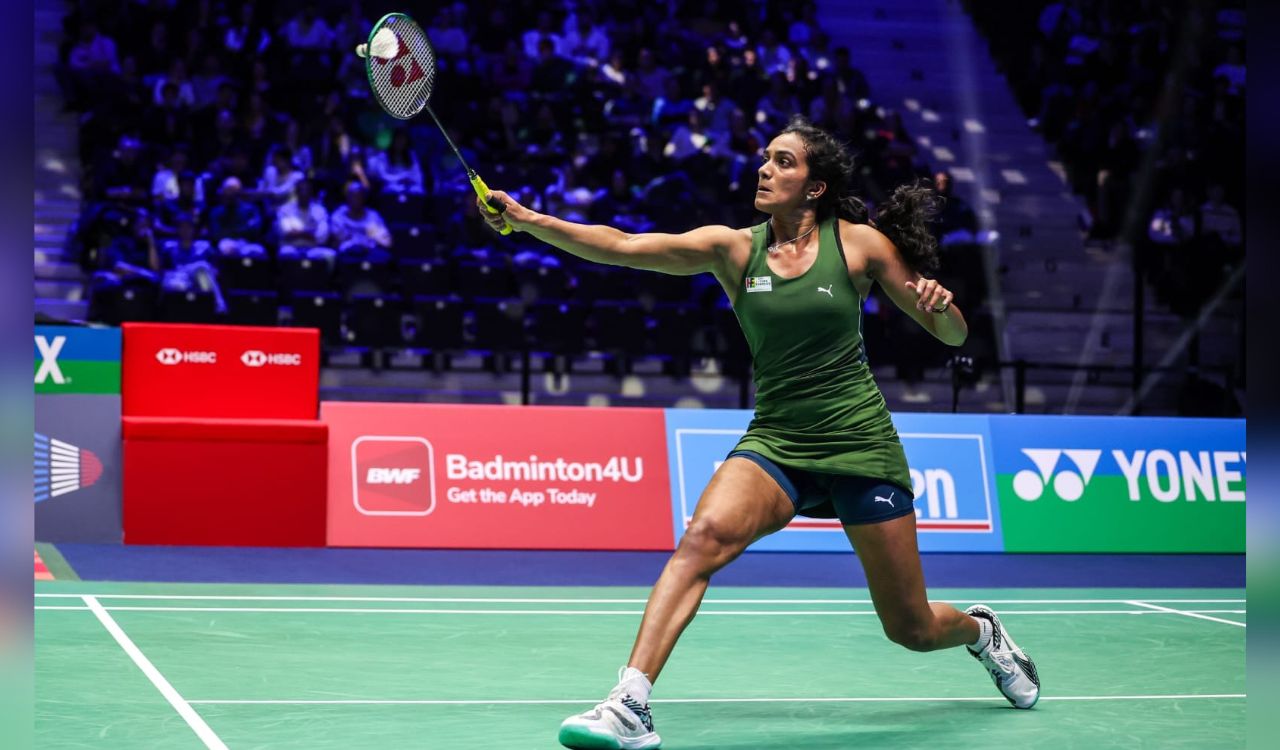
Drawing parallels with the newly approved 15×3 system, Gopichand said the shorter format would place an even greater premium on speed, power and mental strength, especially during the closing stages of games.
“Scoring points will be important, but not giving away points will be even more important. Speed, power and focus need to be top-notch. The mind will play a much bigger role,” he said.
According to the national coach, doubles players are likely to be affected the most because shorter games make every phase of the contest more critical.
“The serve, serve-return and attack will become even more crucial in doubles. Players who can hold their nerve and execute their strokes under pressure will have the advantage,” he said.
“In singles, you already see youngsters such as Alwi Farhan and Christo Popov playing a flatter, doubles-like game. I think more players will adopt that style.”
“The crucial stages of the game will be around the 11th and 12th points. Handling pressure at 13-14 or 15-14 will become extremely important. There will be pressure points throughout the match.”
Gopichand believes the change could alter the character of the sport, favouring flatter and faster rallies over the elaborate stroke-making that a longer format allows.
“Players will try to play safer rather than rely too much on skill. That’s one aspect the sport may lose because a longer format gives players more freedom to express themselves with a wider range of strokes. Here, the game will become much flatter and faster,” he said.
Not convinced by BWF’s logic
Gopichand also felt the BWF could have achieved its objective of reducing player workload in a different way.
“If they were planning to extend the tournament schedule to two weeks, they could have retained the 21-point system. It doesn’t make sense to shorten matches while extending the tournament at the same time,” he said.
“The purpose was to give players more rest, and that could have been achieved by spreading the tournament over 10 to 12 days instead of six. But the BWF probably has its own reasons. It’s a subjective decision.”
Gopichand believes experienced Indian players such as HS Prannoy and Kidambi Srikanth could benefit from the new scoring system.
“It may suit them. We are not entirely sure because increased speed means they will have to move much quicker. Training for that requires greater agility and could also increase the risk of injuries.”
“The finer details will become everything. If I had a choice, I would prefer the 15-point format for an older player. It may be difficult for some, but by and large Indian players should adapt.”
Who after Satwik-Chirag?
Gopichand admitted that India does not yet have a clear succession plan in men’s doubles once Satwiksairaj Rankireddy and Chirag Shetty move beyond their peak.
Asked how India plans to build depth beyond its top pair, Gopichand acknowledged the challenge.
“That’s a very valid question. We need the best players to come together and play as pairs. Some structured system is required. We are very democratic in our setup.”
“We had four or five academies five years ago. Today, there are hundreds of academies and thousands of independent players. In doubles, that makes the challenge even greater.”
He added that very few promising singles players are willing to switch to doubles despite having the potential to excel.
“Very rarely does a good singles player choose doubles. A player may be good enough for singles but exceptional in doubles.”

Related News