Harish Rao condemns arrest of BRS leaders over Jurala water demand
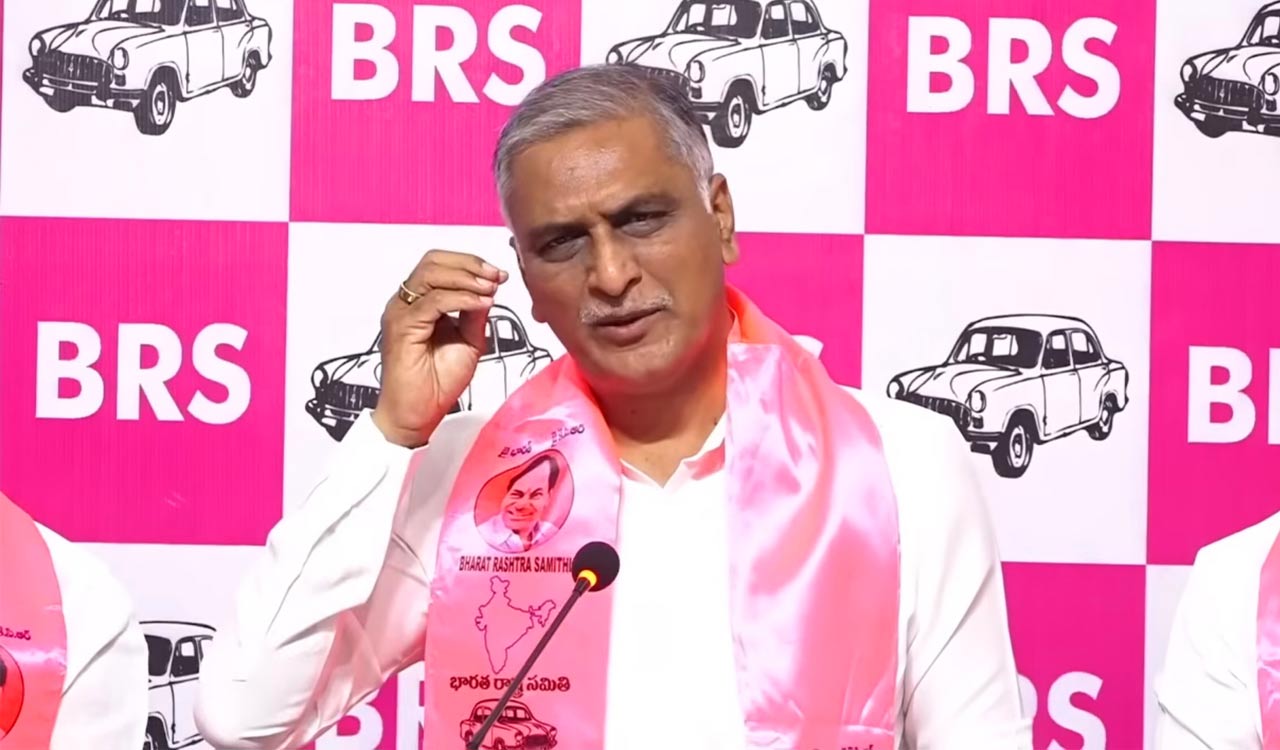
BRS leader T Harish Rao condemned the detention of farmers and BRS leaders protesting for irrigation water to Jurala ayacut lands. He demanded their release, questioned the denial of water to Palamuru farmers and alleged the government neglected irrigation needs
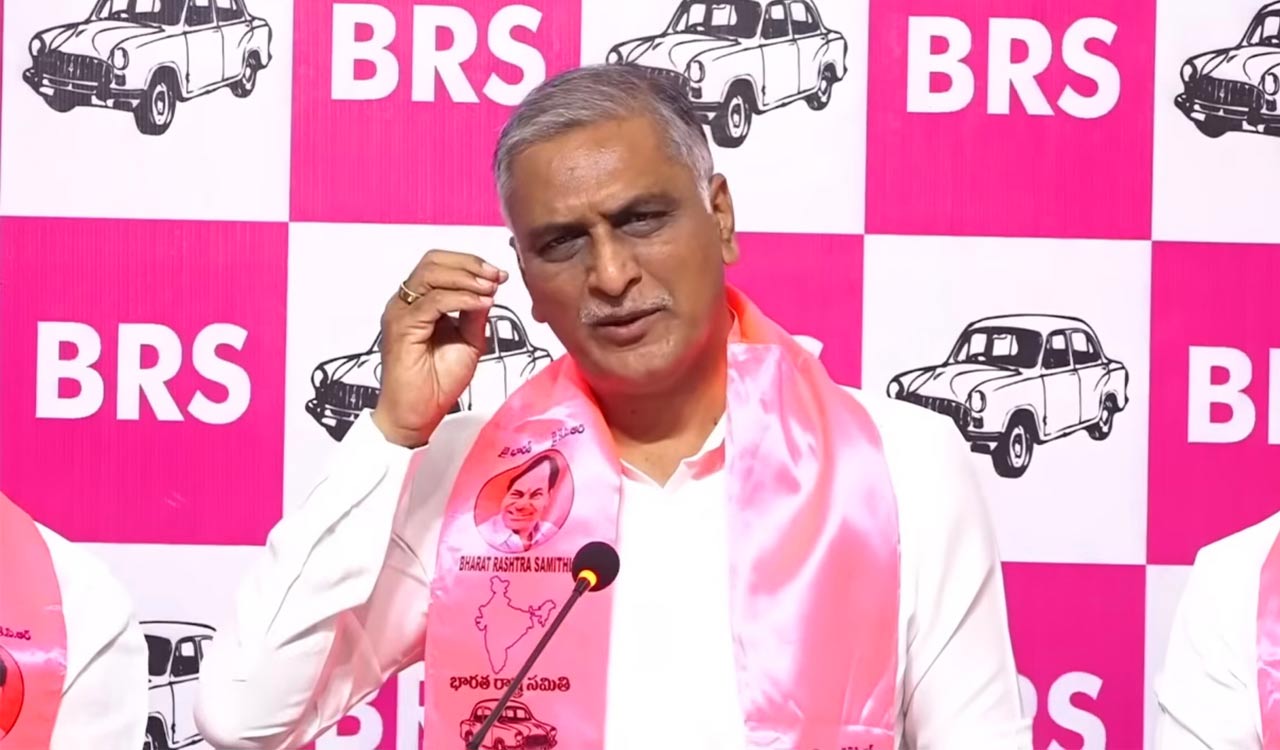


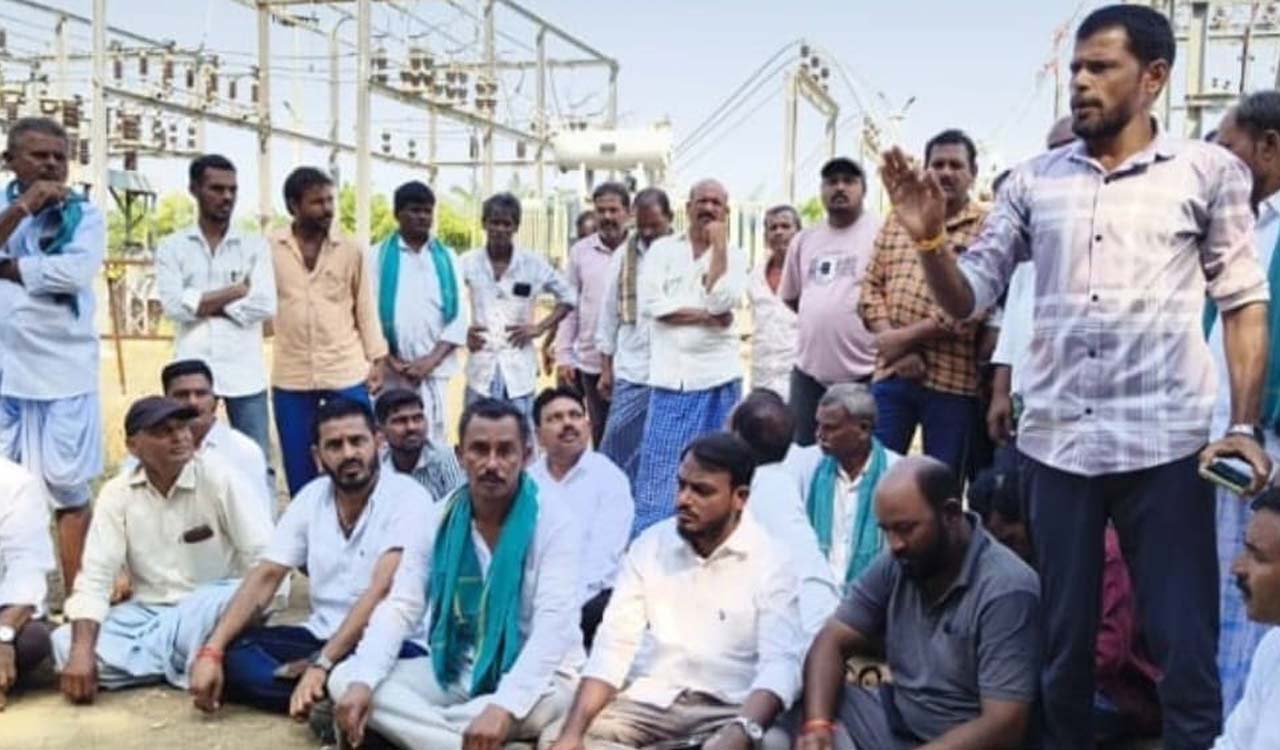
Hyderabad: BRSLP deputy leader T Harish Rao on Monday condemned the arrest and detention of farmers and BRS leaders protesting for irrigation water for Jurala ayacut lands. He demanded the immediate release of irrigation water to the Jurala ayacut and the release of the detained farmers and BRS leaders.
He said former Ministers S Niranjan Reddy, C Laxma Reddy and V Srinivas Goud, former MLAs Chittem Ram Mohan Reddy and Alla Venkateshwar Reddy, and other leaders were being detained for supporting the farmers.
Harish Rao questioned why Krishna River water was being taken to Kuppam, 738 km from Srisailam, while farmers in neighbouring Palamuru were being denied water. He alleged that the government had failed to utilise the four reservoirs — Narlapur, Yedula, Karivena and Vattem — built under the Palamuru-Rangareddy Lift Irrigation Scheme, with a combined capacity of 50 TMCft.
The former Minister questioned why the pumps were not being operated despite abundant Krishna River flows over the past two-and-a-half years. He alleged that water was being released to Andhra Pradesh while Telangana farmers were being neglected. He called it the Congress government’s betrayal of farmers. “Is this not a failure of Congress rule? Is it not the incompetence of the rulers?” he asked, demanding answers from Chief Minister A Revanth Reddy and Irrigation Minister N Uttam Kumar Reddy.
Harish Rao said around 8.4 TMCft was available in the Jurala project, but irrigation water was not being released. He alleged that police had virtually cordoned off the project and were arresting people for demanding water. He slammed the Revanth Reddy government for using El Nino as an excuse to withhold irrigation water and destroy agriculture.

Related News