
Here are the wolves with a taste for nectar
Maybe, the sweet nectar is a tasty treat to start the day to top up a rodent meal for Ethiopian wolves
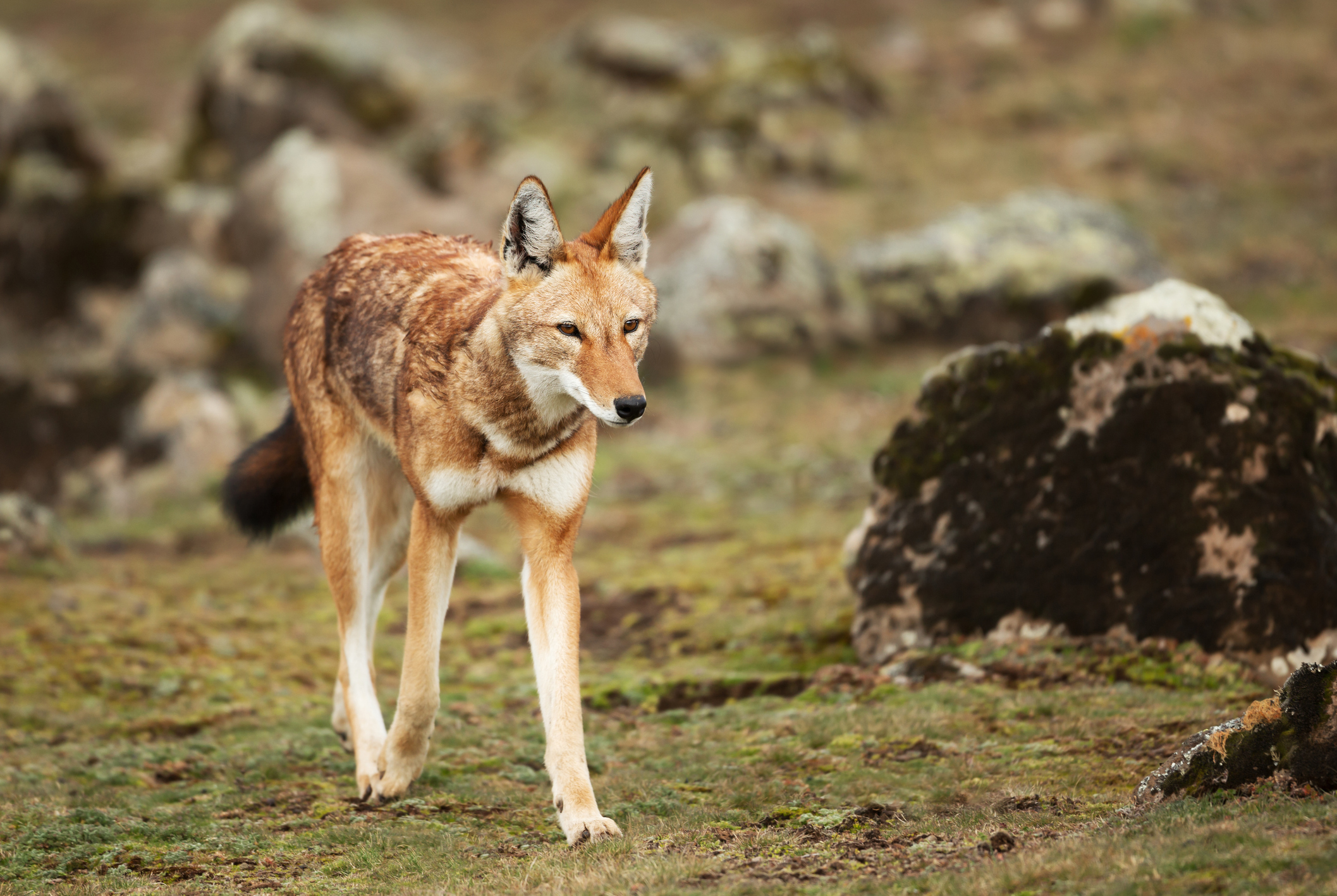


Hyderabad: Do you know that a wolf actually can be a pollinator? In the highlands of Ethiopia, when a plant known as the Ethiopian red hot poker blooms into fiery torch-like flowers and are filled with sweet nectar, among the sunbirds and insects drawn to the flowers, is an unusual visitor — the Ethiopian wolf.
Approaching a cone-shaped flower head, it licks the bottom, laps up nectar and as it moves from flower to flower, its muzzle becomes dusted with pollen.
Fewer than 500 alive today, the Ethiopian wolf is an endangered species.
Researchers first observed wolves feeding on flowers a few years ago. Earlier, though they knew these flowers were loaded with nectar, they never expected the wolves to have a sweet tooth!
Ethiopian red hot poker is considered a medicinal plant in Ethiopia and its nectar is traditionally used to sweeten coffee, or on kita, our flatbread.
The close-up pictures captured by the wildlife photographs became evidence of the amount of pollen deposited on the wolves’ muzzles and their potential role in transferring pollen between flowers.
There are a few nectar-eating pollinator mammals, mostly species of bats. Nectar feeding is uncommon in carnivores and typically only small species do it, such as civets or mongooses. Omnivorous bears, such as sun bears, may eat nectar too. That’s why the Ethiopian wolf’s behaviour is groundbreaking. Normally a specialised rodent hunter, it is the first large carnivorous predator documented to consume nectar.
While nectar is unlikely to provide enough nutrition to sustain the wolves’ daily needs, it can provide a small energy boost. Maybe, it’s a tasty treat to start the day or as dessert, to top up a rodent meal!

