How Pollution in Crowded Cities Impacts a Baby’s Health and Skin
To us, dust is just dust. We wipe it off and move on. But for a baby, it’s a lot more work. A baby’s skin is about 30% thinner than an adult’s. It absorbs moisture quickly, but it also loses it just as fast.
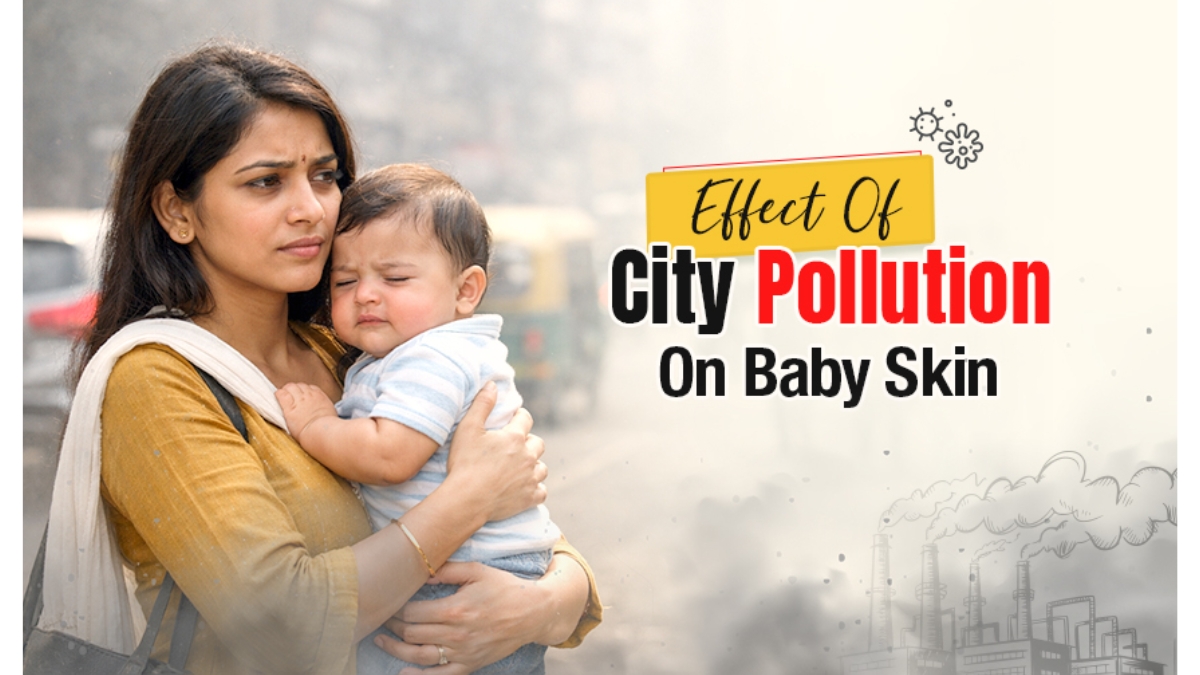


New Delhi:It’s a familiar scene for any parent living in a high-rise or a busy colony. You step out onto the balcony with your cup of chai, hoping for a breath of fresh evening air, only to be greeted by a grey, dusty haze. You can hear the city humming below, the horns, the construction work, the distant buzz of traffic. You look at your baby playing on the floor inside and wonder: Is it safe to take them to the park today? Or should we just stay in?
If you have felt this hesitation, you are not alone. For thousands of families in cities like Delhi, Mumbai, and Bangalore, pollution isn’t just a headline on the news; it is a daily roommate. This reality has changed how we parent. We are no longer just fixing scrapes and colds; we are constantly thinking about protection. It is why we see such a strong shift today toward ‘preventive care.’ Parents are moving away from harsh chemicals and leaning back into gentle, nature-based routines. It is a movement led by aware families and championed by homegrown brands like Mother Sparsh, who understand that raising a baby in a modern Indian city means balancing traditional care with the need to fight new, modern environmental stressors.
Why the City Air Hits Babies Harder
To us, dust is just dust. We wipe it off and move on. But for a baby, it’s a lot more work. A baby’s skin is about 30% thinner than an adult’s. It absorbs moisture quickly, but it also loses it just as fast.
Think of their skin like a very delicate sponge. When the air is thick with exhaust fumes or construction dust, their skin barrier, which is supposed to act like a wall, gets overwhelmed. Because they breathe faster than we do, their little lungs are also processing more of that city air every minute. This is why a baby might seem fine one moment but get cranky, dry-skinned, or sniffly after just a short auto-rickshaw ride or a walk down a busy street.
The ‘Double Trouble’: Indian Weather + Pollution
In India, pollution doesn’t work alone; it teams up with the weather. This is something unique to our cities.
- In Summer & Monsoon: The humidity mixes with the pollution to create a sticky layer on the skin. This traps sweat and dust together, blocking pores. This is why you might see heat rashes or prickly heat that just won’t go away, even if you are keeping the baby cool.
- In Winter: Especially in the North, the air gets heavy and stays low to the ground (smog). This cold, dry air strips moisture from the skin, leaving cheeks red, chapped, and rough to the touch.
What You Might Notice
You don’t need a doctor to tell you the air is bad; your baby’s body often tells you first.
- The ‘Rough Patch’: You might feel dry, sandpaper-like patches on their cheeks or shins, even if you applied lotion in the morning.
- Constant Rubbing: Babies often rub their eyes or nose more after being outside, not because they are sleepy, but because the fine dust is irritating them.
- Low-Grade Crankiness: Sometimes, they aren’t sick, just uncomfortable. The heavy air can make them feel lethargic or just ‘off.’
Creating a Daily Shield
We can’t stop the traffic or pause the construction next door. But we can change what happens inside our homes. The goal isn’t to panic; it’s to build a better routine.
- Cleanse, Don’t Scrub: After a day out, a bath is essential, but keep it gentle. You want to wash away the city grime without scrubbing off the skin’s natural oils. Try using nourishing and gentle baby washes like the Mother Sparsh Head to Toe Baby Wash, with ingredients like coconut oil and milk for deep nourishment and hydration
- Moisturize as a Shield: Think of lotion not just as a moisturizer, but as a protective layer. A good, thick layer of natural moisturizer before you head out acts like a temporary barrier against the dust. Use a non sticky and natural lotion like the Mother Sparsh Natural Care Baby Lotion.
- Cotton is King: In humid, polluted cities, stick to breathable cotton or mulmul clothes. Synthetic fabrics trap that sticky pollution-sweat mix against the skin, while cotton lets the skin breathe.
- Timing Your Walks: The air is usually freshest (or least polluted) in the late morning or early afternoon. Early mornings and late evenings are often when smog settles the lowest.
Parenting with Confidence, Not Fear
Raising a child in a busy city comes with challenges, but it also comes with resilience. Don’t let the headlines scare you into keeping your windows shut forever. It is not about creating a perfect, pollution-free bubble, that’s impossible. It is about being aware.
By observing your baby’s needs and making small, thoughtful shifts, like choosing gentler products, timing your outings, and keeping their skin barrier strong, you are doing exactly what needs to be done. You are adapting, protecting, and giving them a healthy start, right in the heart of the city.

Related News