How the law of naval warfare applies to the Strait of Hormuz
The Strait of Hormuz, an international waterway, faces growing tensions due to Iran's control and its impact on global oil and trade. Under international law, neutral ships have passage rights, but wartime laws complicate the legality of convoys and ship movements
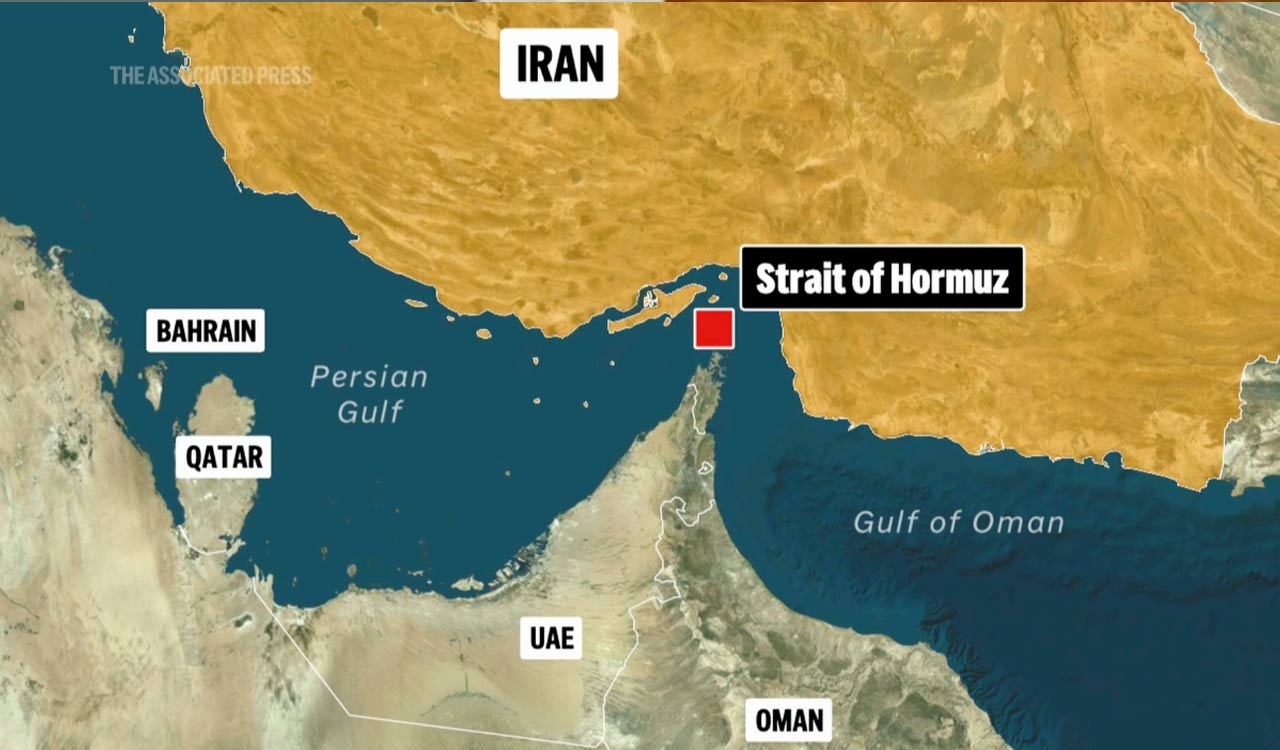


Kensington: The Strait of Hormuz is a narrow body of water adjacent to Iran and Oman, which connects the Persian Gulf to the Gulf of Oman.
While it is a shared body of water between Iran and Oman, Iran functionally exercises a greater amount of control over it.
The strait is a vital conduit for the shipment of oil, gas and other exports (notably fertiliser) from the Persian Gulf to the rest of the world. At its narrowest point, it is just 21 nautical miles (39 kilometres) wide.
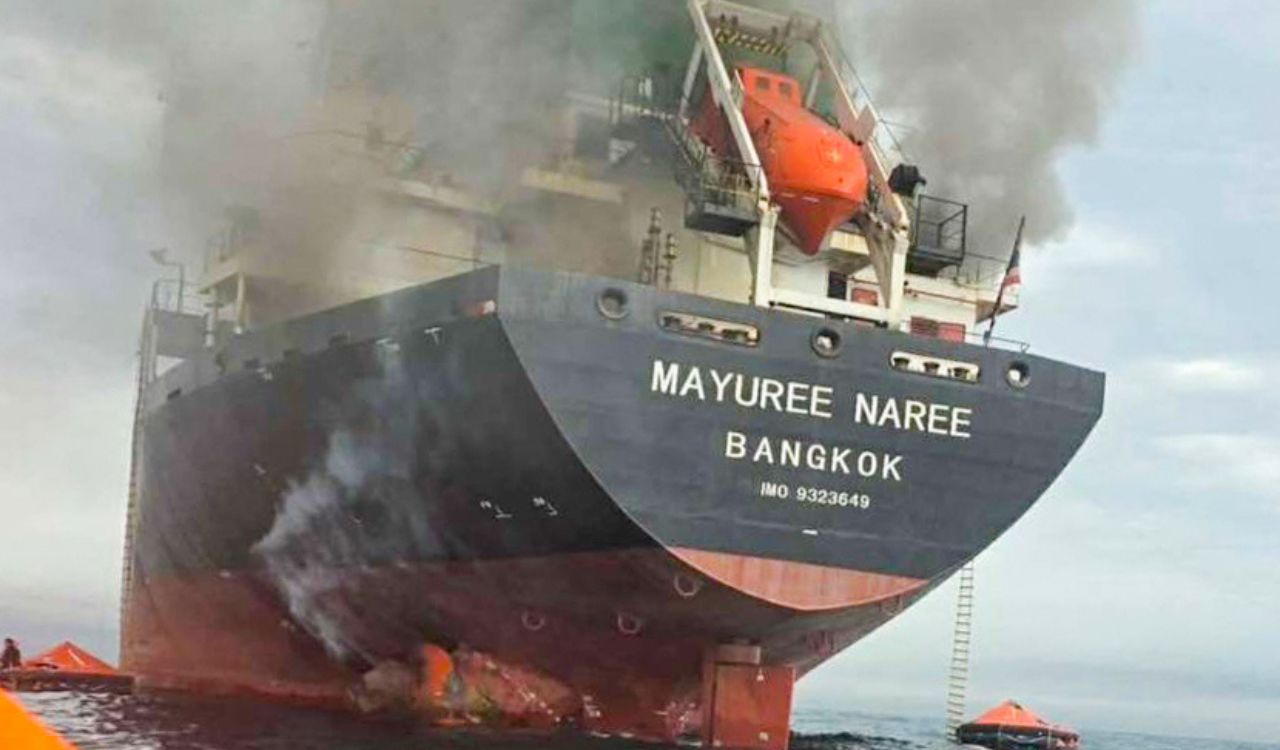
With the ongoing conflict between Iran, Israel and the United States, Iran has restricted the movement of ships through this waterway, causing global repercussions for oil supply and trade in other important commodities.
Can Iran do this under international law? And can the US lawfully send military convoys through the strait to protect international shipping?
What is its legal status during times of peace?
The Strait of Hormuz is used for international navigation between two high seas areas. As such, it is defined as an international strait under international law.
Even though these waters are subject to the sovereignty of the adjacent states, all other states’ ships have navigational rights through the strait.
So as long as those ships pass through the strait continuously and expeditiously, the coastal states should not take any steps to prevent their passage.
What about during war?
Once there are armed hostilities between two (or more) states, the law of armed conflict or international humanitarian law applies.
The law of naval warfare is part of the law of armed conflict.
Some laws of naval warfare can be traced back to the Hague Conventions adopted at the start of the 20th century.
Most commonly, states will rely on the 1994 San Remo Manual on International Law Applicable to Armed Conflicts at Sea.
Under the law of naval warfare, states are generally divided between belligerents (those engaged in armed hostilities) and neutrals (those not involved in the war).
The line between belligerents and neutrals is not always an easy one to draw. In the Middle East, at a minimum, Iran, Israel and the US could be classified as belligerents.
According to the San Remo Manual, ships flagged to neutral states, including their warships, may exercise their navigational rights under general international law through a belligerent’s strait.
It is recommended that neutral warships give notice of their passage as a precautionary measure. A belligerent must not target neutral ships – they are not considered military objectives and must not be fired upon.
During this conflict, Iran’s territorial sea (which includes the waters within the Strait of Hormuz) counts as an area of naval warfare.
The belligerent states are legally required to have due regard for the legitimate rights and duties of neutral states in an international strait.
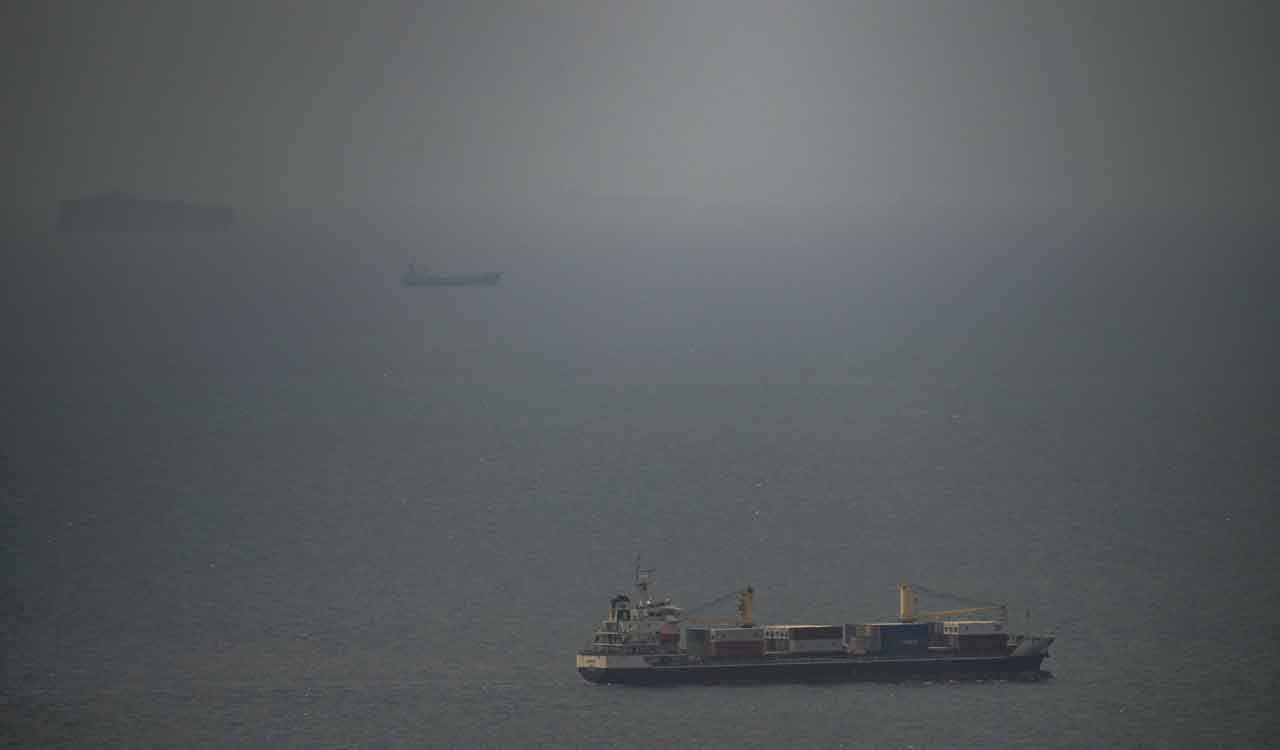
But legal protection for neutral commerce is weak. Many ships have avoided the strait – and will continue to do so – during this conflict.
Can Iran close the strait during times of war?
In line with the San Remo Manual, straits under the sovereignty of neutral states must remain open for transit passage for both neutral and belligerent shipping.
However, belligerent states are not similarly required to keep their straits open.
Can convoys lawfully be used to protect commercial shipping? Convoys typically involve warships travelling with a fleet of merchant ships to deter and protect against attacks from belligerents during passage.
They have been used previously in the Strait of Hormuz and in the Persian Gulf.
But merchant vessels may become military objectives and subject to attack by belligerents if they travel in a convoy with belligerent warships.
So any cargo vessel being escorted by a US warship places itself in danger, as it may be lawfully attacked by Iran.
If warships belonging to neutral states escort cargo ships that are also flagged to neutral countries, these merchant vessels are not military objectives, in accordance with the San Remo Manual.
A belligerent warship would, however, have a right to visit and search these ships to ensure they are not carrying contraband to the enemy.
To minimise this risk, neutral states would need to provide Iran with information as to what each ship is carrying.
What about ships of states helping Gulf nations?
Iran may question status of other nations as a neutral state in light that these states such as Australia offer to assist the United Arab Emirates as a measure of collective self-defence against Iranian attacks.
If Australia’s actions render it a “party to the conflict” under the law of armed conflict, it is no longer a neutral state — it is now a belligerent. Its warships, along with any private vessels escorted in the strait, could then potentially be subject to lawful attack by Iran.

Related News
-

Iran says Strait of Hormuz is completely closed as navy reports tanker incident
-
Navi Pillay‘s Nobel honour brings pride to ancestral family in TN’s Dindigul
-
Editorial: Navi Pillay—a voice for justice in a violent world
-
Iran’s IRGC says ‘violating’ supertanker exploded after hitting mines in Hormuz Strait