Hyderabad: Inflated costs of hospital consumables drain patient pockets
A Maharashtra FDA survey has highlighted wide price differences in medical consumables such as IV infusion sets, syringes and catheters. Industry representatives have raised concerns over the regulatory framework, while the NPPA is examining the survey data.
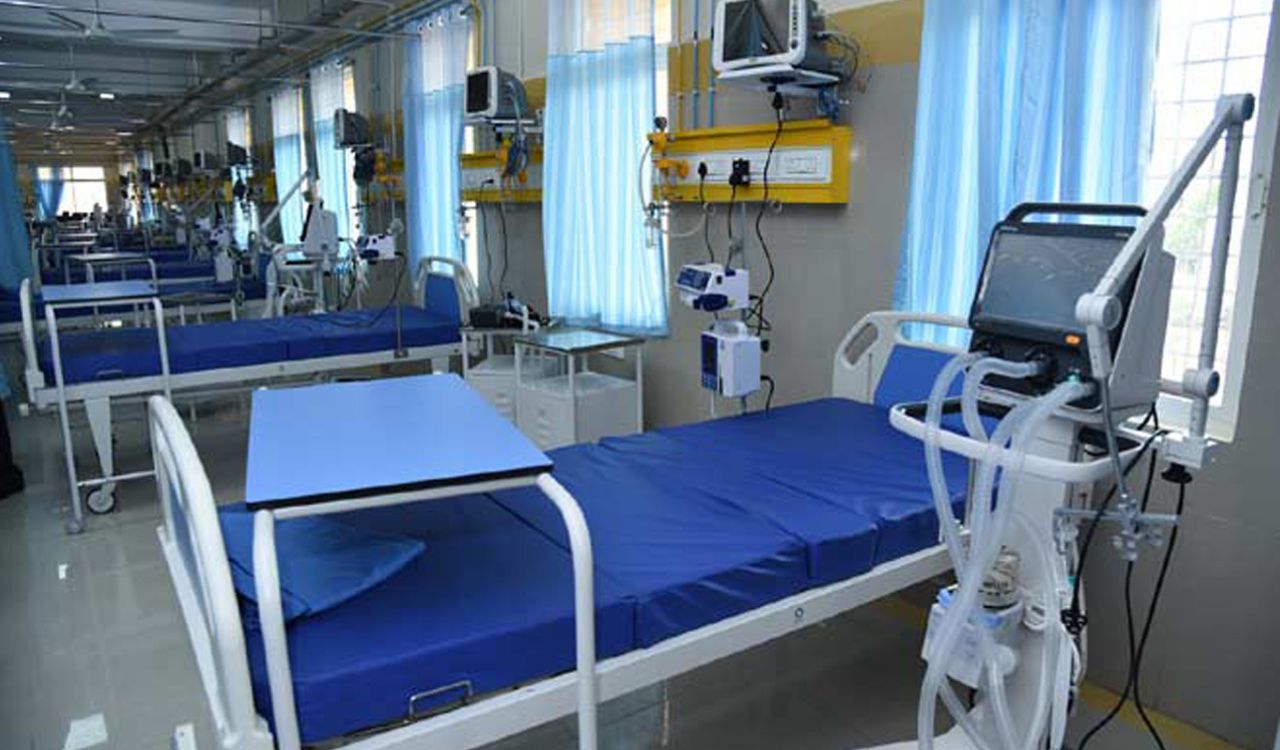


Hyderabad: You might have rolled your eyes and sighed in frustration looking at the cost of a syringe or an IV infusion on the final hospital bill. When you end up paying Rs 300 to Rs 400 for a single IV infusion or a syringe at private hospitals in Hyderabad, it is quite natural to have that nagging, helpless sense that you are getting heavily overcharged.
The frustration is not just a hunch because it points to a stark financial reality of modern healthcare. The same branded catheter, which you could have purchased from a medical shop in Secunderabad for under Rs 50, will cost you more than Rs 200 in private hospitals, and, they will be clubbed under the broader medical consumables category.
At present, there is no system in place to check how prices of such medical consumables are set, leaving medical equipment manufacturers, distributors, and suppliers to add their own heavy margins even before the items reach the hospital ward. By the time the hospital passes these costs on to you, patients and their families are handed medical bills over which neither they can question or negotiate.
A clear instance of how routine medical consumables are inflated to sky-high prices leaving patients with no choice but to foot massive, unreasonable bills, came to light when drug regulatory authorities in Maharashtra conducted a survey, revealing how everyday inpatient items in a hospital are routinely sold at jaw-dropping premiums.
The survey found that an IV infusion set that cost just Rs 11.05 to make or buy in bulk was stamped with a printed price tag of Rs 325 before it ever left the factory, a massive price inflation of 2,841 percent. Similarly, a syringe procured for Rs 6.75 carried an inflated price tag of Rs 57.20, while a catheter bought at Rs 29.41 was billed to patients at Rs 310.
Following the survey revelations, the Association of Indian Medical Device Industry (AiMeD) came forward to acknowledge that the current regulatory framework, largely built for pharmaceutical drugs under the Drugs (Prices Control) Order of 2013, fails to protect patients from inflated prices on medical devices and consumables.
Industry representatives pointed out that the current unchecked system penalizes everyone except the middlemen, leaving vulnerable patients trapped while ethical manufacturers trying to sell at honest prices struggle to compete in a distorted market.
The National Pharmaceutical Pricing Authority (NPPA), which is examining the survey data submitted by Maharashtra FDA, is expected to propose a transparent pricing system in the coming days.
Inflated rates:
-
IV infusion sets procured at Rs 11.05 and printed price tag of Rs 325, which is 2,841 percent hike.
-
Syringes bought for Rs 6.75 and sold with an inflated price tag of Rs 57.20.
-
Catheters purchased for Rs 29.41 and billed to patients at an MRP of Rs 310.
-
Nebulisers purchased at wholesale rates around Rs 40 to RS 45, but sold for MRP of Rs 650 to Rs 715, which is 1,400 percent hike
-
Oxygen masks sourced at low bulk costs and sold for Rs 650
-
Patients face heavy, un-negotiable overcharges on routine hospital consumables.
-
Current price-cap laws apply to drugs, leaving medical devices largely unregulated.
-
Manufacturers and suppliers add massive margins before items reach the ward.
Related News