Hyderabad man returns from Russia–Ukraine warzone with Union Government support
A 28-year-old Hyderabad resident, who paid Rs 3 lakh for a factory job in Russia, was pushed into army-linked camps in Russian-held Ukraine, before a desperate video plea led to intervention by political parties and the Indian mission, enabling his return.
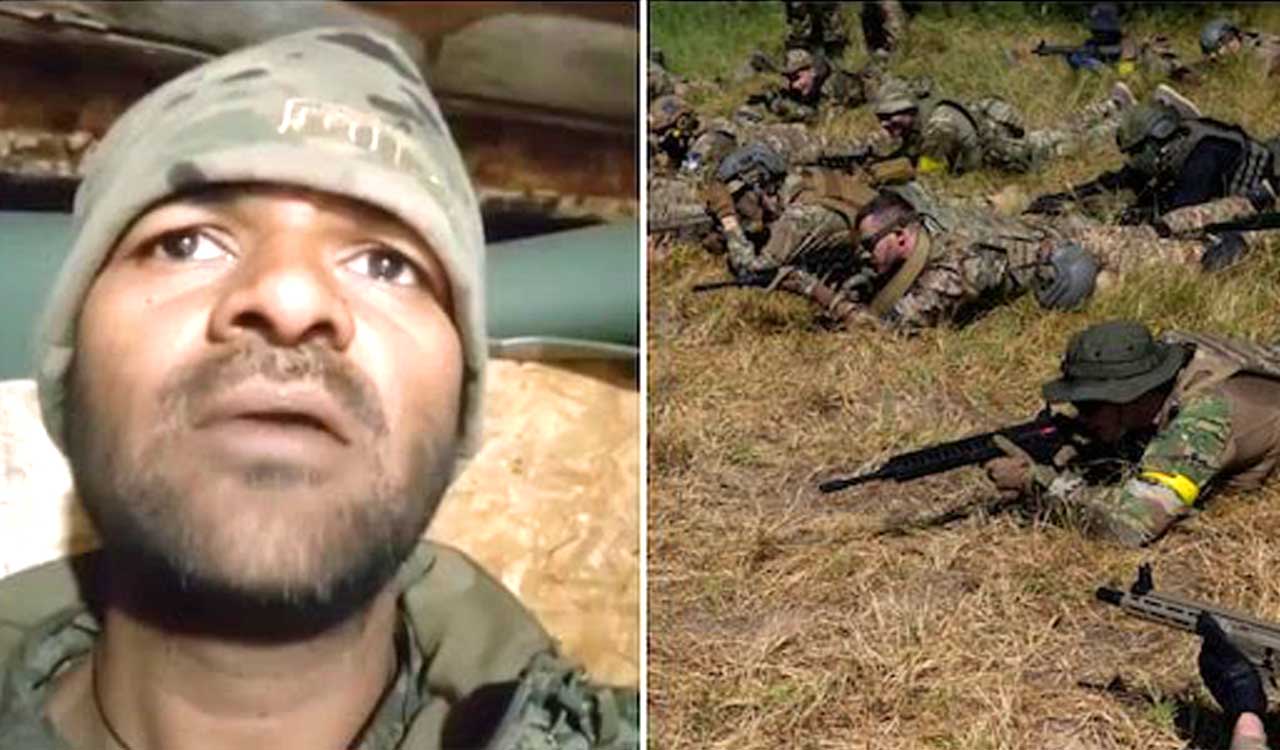


Hyderabad: Mohammed Ahmed went to Russia hoping for a better life and returned home in the city last week with memories of a war he never wanted to witness.
Ahmed’s story is less about a job gone wrong and more about how an ordinary youngster from the city was pulled into the vortex of the Russian military assault in Ukraine.
The 38-year-old father of two children, residing in M S Maqtha near Lok Bhavan, read about employment opportunities in Russia on Instagram in April last and applied. He got in touch with one Adil, who promised a job with a good salary. He paid Adil Rs 3 lakh to secure what he believed was a factory job that would fetch him about Rs 70,000 a month.
He flew to Russia with a small group of Indians with more hope than luggage. But reality struck him hard on arrival. The work at the factory involved nearly 14 to 15 hours a day in harsh conditions. So Ahmed and others refused to continue.
With no work and money draining away, Ahmed again depended on Adil’s contacts. After a few weeks, another agent in Russia offered what sounded like a safer option. They were told they would work in kitchens in defence establishments and could earn up to Rs 2 lakh a month.
Ahmed and five others from India agreed. It sounded like hard but honest work, but what followed was very different. Instead of kitchens, they were moved between army camps in parts of Ukraine under Russian control and ordered to do all kinds of menial jobs. There were others like them from Kenya, Iran and Nepal. When some of them refused to work and sought to return home, they were beaten up and warned they could be jailed for up to 15 years.
Soon, they were pushed into combat roles after being taken to an army camp where they were trained in handling weapons and basic medical aid. They were told to buy bulletproof vests, helmets, walkie talkies and other gear with money given by the Russians for their expenses.
Ahmed recalls temperatures falling to sub-zero levels and how, day by day, he realised he was moving closer to actual fighting. He pleaded with officers to allow him to return to India.
By October, he was moved into what he describes as the warzone. He recalls missiles exploding nearby and how drones were used by the military. He also recounts rumours that persons who tried to speak out or send videos home were killed, a claim that only added to the terror.
Gathering courage, Ahmed recorded a video for his family, asking the Union government to rescue him. His relatives in Hyderabad reached out to political parties. Appeals were made by the Majlis Bachao Tehreek and correspondence followed from AIMIM chief Asaduddin Owaisi, after which the family went to New Delhi to meet officials.
These efforts bore fruit and soon the Indian mission in Russia traced Ahmed and pulled him out of the conflict zone. The Indian embassy ensured he returned safely to India along with others trapped in similar circumstances.
Back home, Ahmed is relieved but far from at peace. He thinks about his friends, who are still missing in the warzone and worries for their families.
Family recounts horror after Ahmed’s emotional SOS from warzone
The family of Mohammed Ahmed recalls the tough times they went through after he sent a video seeking forgiveness, fearing he might not return alive.
“The video had shaken all of us. Everyone in the house was crying. The message was very emotional and my uncle even told us to take care of his children. He had lost all hope of meeting us again,” recalled Reshma Begum, niece of Ahmed.
After Ahmed sent an SOS to his family, they approached Hyderabad MP Asaduddin Owaisi and MBT party spokesperson Amjedullah Khan, who in turn sent letters to the Ministry of External Affairs informing them about the Indians who were in distress in the warzone.
“I did not sit waiting for the government to respond to the requests made by the leaders. I coordinated with the families of the remaining persons who were trapped in the warzone and headed to Delhi. We staged a couple of demonstrations, sent emails to Indian missions in Russia and met multiple officials of the Ministry of External Affairs. Due to the pressure on the Russian government, Ahmed and others were pulled back from the war zones and brought to Moscow,” Reshma Begum told Telangana Today.
Ahmed returned to India in the first week of December along with five other Indians. His mother, now aged around 60 years, says she will not allow her son to leave India again. “We want the police to initiate action against the agent who duped our son,” she demanded.

Related News