Hyderabad surgeon develops US-patented heart valve designed to prevent clots without blood thinners
Hyderabad heart surgeon Dr Lokeswara Rao Sajja and his team have developed a US-patented mechanical heart valve designed to prevent blood clots without lifelong blood thinners. Promising laboratory and animal studies now await confirmation through human clinical trials.
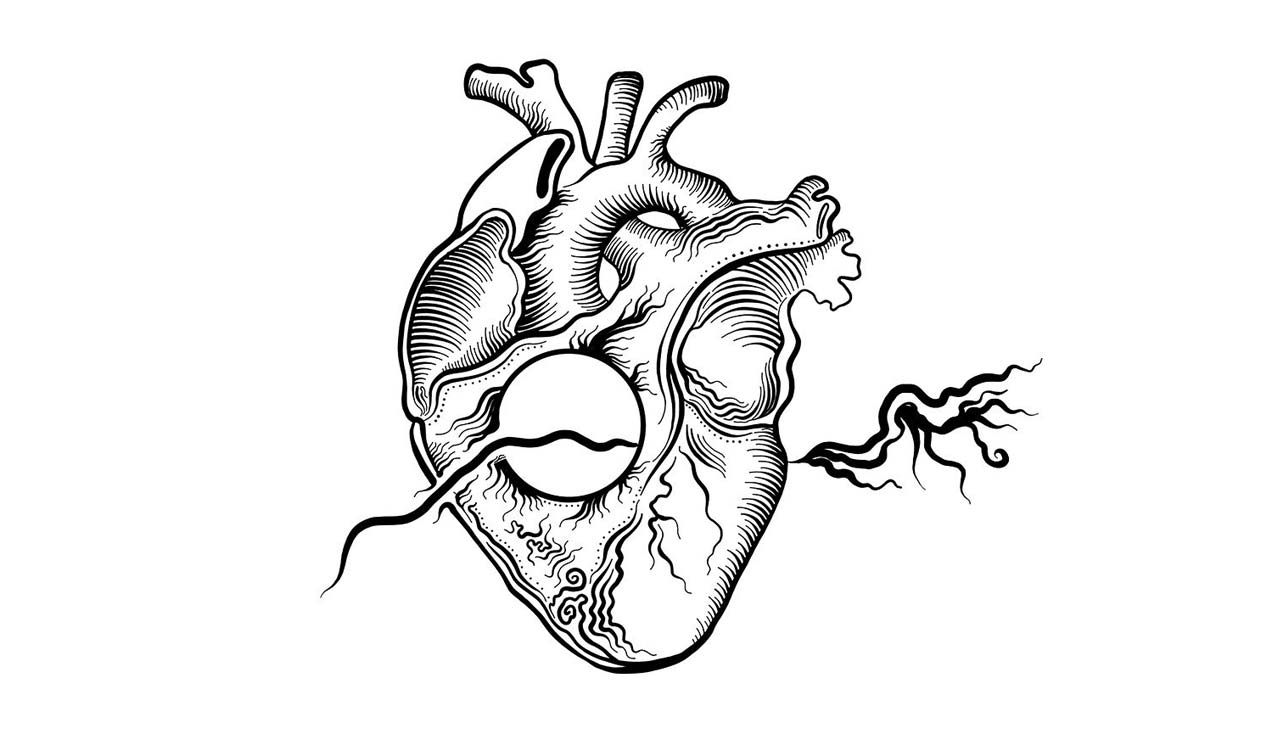


Hyderabad: Hyderabad-based heart surgeon Dr Lokeswara Rao Sajja of Sajja Heart Foundation and his research team have developed a US-patented mechanical heart valve designed to stay completely free of dangerous blood clots without the need for lifelong blood-thinning medications.
Usually, the heart valves are replaced with traditional metal valves, but life-threatening blood clots tend to form on their surfaces. To prevent this, patients must take blood-thinning drugs for the rest of their lives.
Blood thinners, however, carry significant bleeding risks, require frequent blood tests, and impose heavy restrictions on daily life. The risks are particularly severe for pregnant women, who face potential harm to the unborn baby, and athletes, who are often forced to stop playing sports.
To solve this, Dr Sajja’s team looked to nature. Healthy blood vessels naturally maintain blood fluidity using a delicate internal layer that carries a negative electrical charge, naturally repelling blood cells. Replicating this biological defence, the new valve design uses a weak negative electrical charge powered by a pacemaker.
Laboratory and animal experiments evaluating the technology, published in the international journals PLOS One and Nature Scientific Reports, showed highly promising results.
The new valves remained clot-free for over five months without any blood-thinning drugs, while maintaining excellent safety, causing no injury to blood cells, researchers said.
“If these results are confirmed in human studies, such valves could free patients from lifelong blood-thinning medicines. This would especially help young patients, who need long-lasting valves, as well as pregnant women and athletes,” Dr Sajja said.
The valve would especially help young patients, who need long-lasting valves, as well as pregnant women and athletes, researchers added.

Related News