India-born cheetah gives birth to four cubs at Kuno National Park
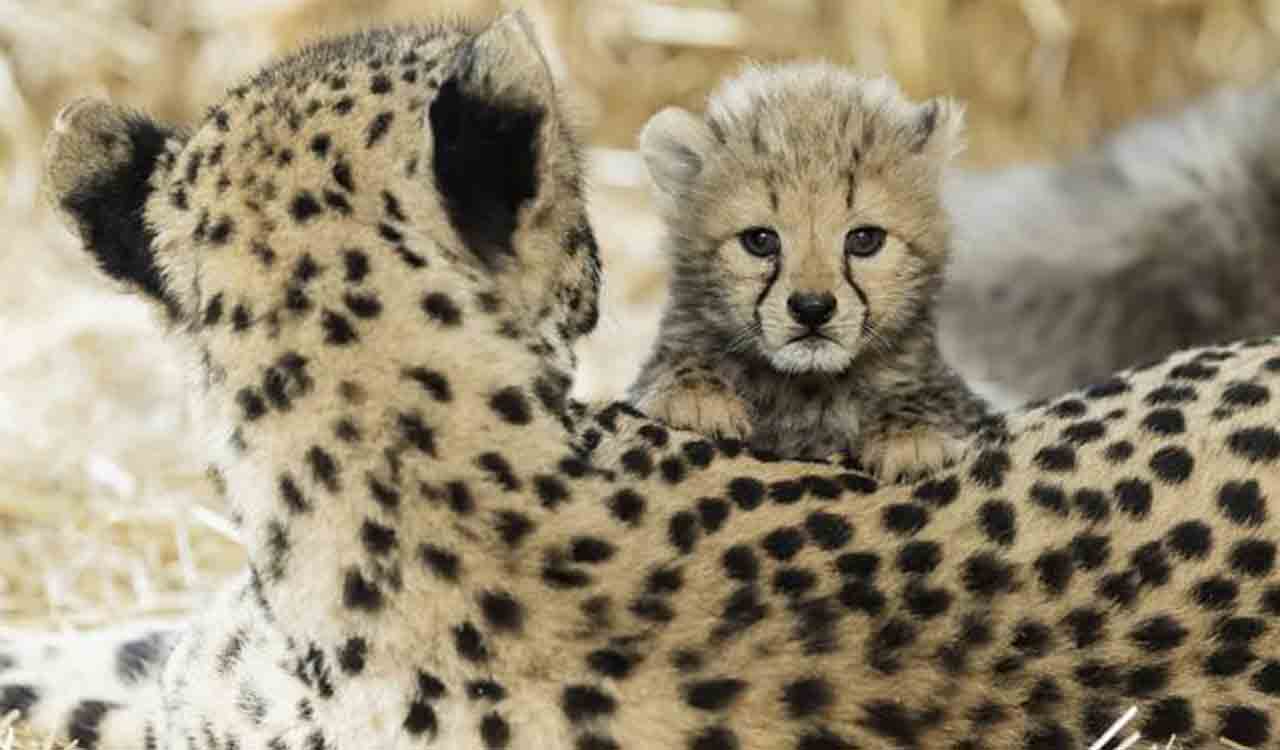
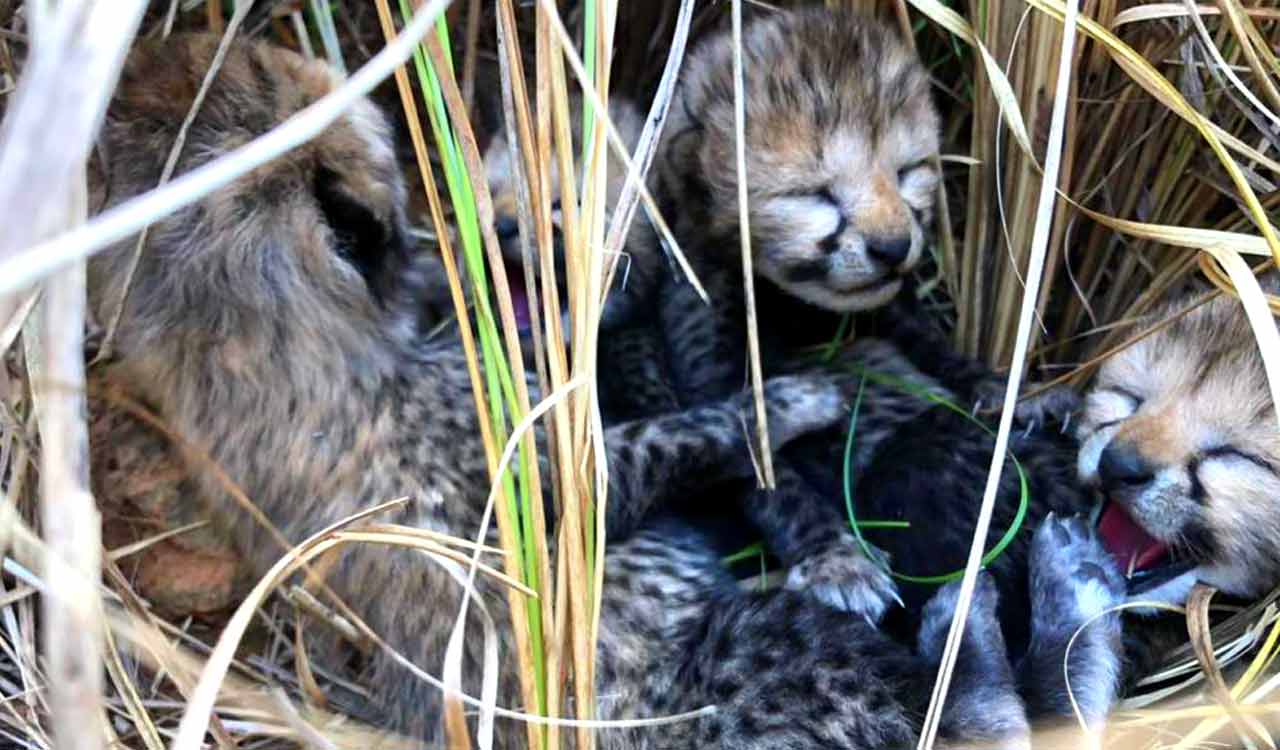
An India-born female cheetah has given birth to four cubs at Madhya Pradesh's Kuno National Park, taking India's cheetah population to 56. The births came a day after Project Cheetah completed four years and marked another step towards establishing a self-sustaining population
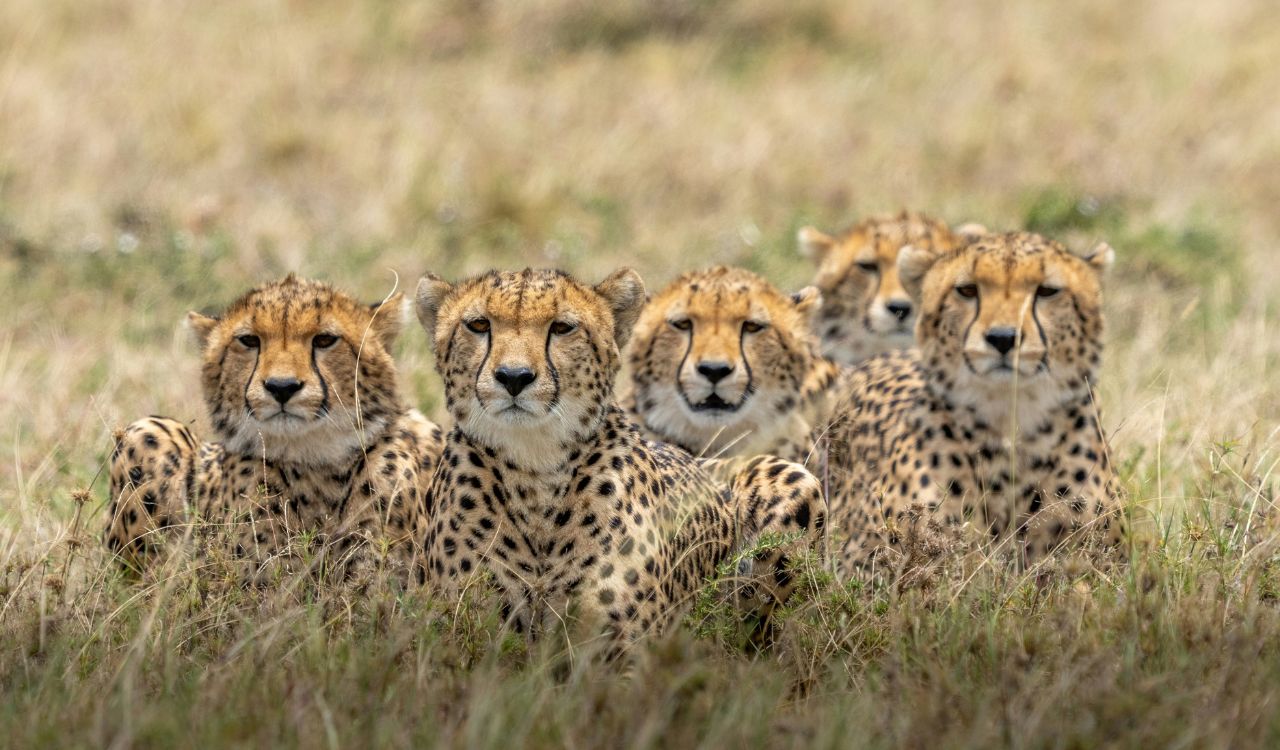


Sheopur (Madhya Pradesh): In a major boost to the country’s ambitious cheetah reintroduction programme, an India-born female cheetah has given birth to four cubs at Madhya Pradesh’s Kuno National Park, taking India’s cheetah population to 56 and adding a new generation to the population established after the species was reintroduced in the country.
The four cubs were born to KGP12, a female cheetah identified by the code name, on Friday, a day after Project Cheetah completed four years. The development is particularly significant for the programme, which aims to establish a viable and self-sustaining cheetah population in the country.
Union Environment, Forest and Climate Change Minister Bhupender Yadav announced the birth on Friday and congratulated the teams involved in Project Cheetah and Kuno National Park.
“Four years, four new lives — a beautiful symbol of hope, resilience and the growing success of cheetah conservation in India,” Yadav said in a post on X.
KGP12 was born in India and is among the cheetahs that have successfully adapted to the country’s conditions following the reintroduction programme. Her four cubs represent another addition to the India-born population and are significant for the programme’s long-term objective of achieving natural breeding and population growth.
With the latest births, the total number of cheetahs in India has risen from 52 to 56. Kuno remains the principal cheetah habitat, with 49 animals, while three cheetahs are currently housed at Gandhi Sagar Wildlife Sanctuary in Madhya Pradesh.
Before the latest births, 32 cheetahs had been born in India since the reintroduction programme began, underlining the importance of breeding and subsequent adaptation in the country’s landscape.
Yadav also hailed the field teams for their continued efforts in implementing the programme, describing the latest development as a “truly historic and joyous moment” for India’s cheetah conservation efforts.
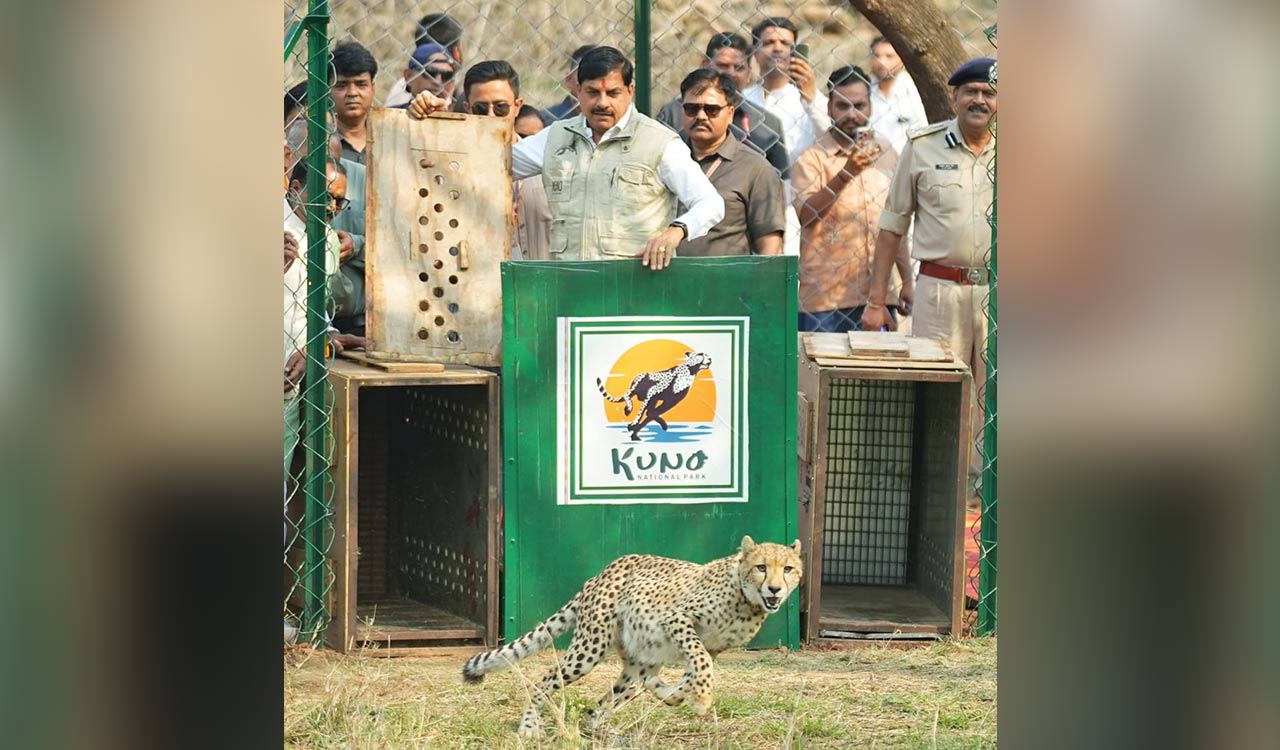
Project Cheetah was launched on September 17, 2022, when eight cheetahs were brought from Namibia and released into Kuno National Park, marking the return of the species to India seven decades after it was declared extinct in the country.
The programme was subsequently expanded with the translocation of cheetahs from South Africa and Botswana.
The focus has increasingly shifted from simply bringing animals into the country to ensuring their survival, breeding and establishment of a sustainable population.
The journey has also faced challenges, including the deaths of several translocated and India-born cheetahs, prompting closer monitoring, veterinary intervention and changes in management practices.
The latest litter comes as the programme enters its fifth year and seeks to expand the cheetah population beyond Kuno, with Gandhi Sagar already emerging as the second major cheetah habitat in Madhya Pradesh.
The birth of the four cubs is thus an important step in the programme’s transition from reintroduction towards population establishment, with India-born cheetahs now contributing to the next generation of the species in the country.
Yadav said the new arrivals reflected the collective efforts of the central and state governments, wildlife experts, veterinarians, forest officials and field staff working to establish the cheetah population in India.

Related News