India can become a developed nation within a decade: Nara Lokesh
Andhra Pradesh IT Minister Nara Lokesh said India is now positioned to achieve developed nation status within the next decade, describing the period as a "golden decade" for growth. Addressing the Pan-IIT Andhra Pradesh Summit 2026, he highlighted Andhra Pradesh's development strategy based on Speed, Service and Stability.
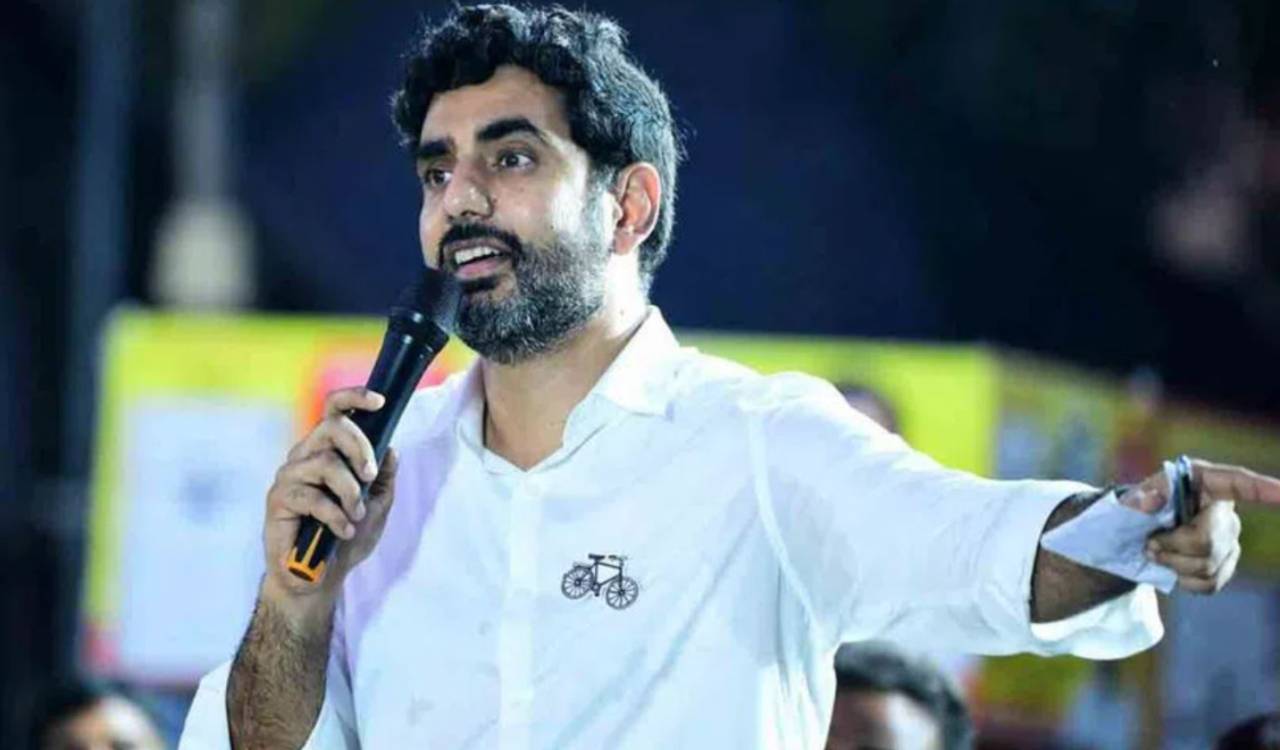


Vijayawada: Andhra Pradesh IT Minister Nara Lokesh on Saturday said India has reached a stage where the country can achieve developed nation status within a decade.
He described the coming 10 years as a “golden decade” for the country.
“India has reached a stage where the country can achieve developed-nation status within a decade,” Lokesh said addressing the Pan-IIT Andhra Pradesh Summit 2026 in Vijayawada.
He said Andhra Pradesh aims to become a developed state while contributing to Prime Minister Narendra Modi’s vision of Viksit Bharat (Developed India).
According to the TDP working president, developed nations in Europe and the US took nearly 100 years to reach their present level, while Dubai achieved rapid development in around 30 years and Singapore in about 25 years.
He said India now stands at a point where “one decade could be enough to become a developed nation.”
He said Andhra Pradesh’s development strategy is built around a 3S mantra — Speed, Service and Stability.
Explaining the first pillar, Lokesh said the pace at which Andhra Pradesh is progressing could redefine the meaning of speed, describing the state government as “a team in a hurry.”
Lokesh said the government has a five-year mandate from the electorate and therefore needs to demonstrate tangible results within that period.
He stressed that the government is not merely interested in signing deals and leaving them on paper, but is focused on grounding projects on the field and ensuring that they generate employment opportunities.
He said the ultimate objective is to translate investments and projects into actual jobs and development in Andhra Pradesh, while positioning the state as a contributor to the broader goal of a developed India.
Further, Lokesh said Andhra Pradesh was also using Artificial Intelligence to help officials design stronger policies and government orders based on past experience.
Citing teacher recruitment, he said the government had recruited nearly 16,000 teachers and used AI-assisted analysis of earlier court cases and recruitment orders to understand why previous processes had faced legal challenges.
“Policies must be built to withstand scrutiny. Technology can help government learn from the past and create more robust systems,” he said.
He said the Indian School of Agriculture at Madanapalle was part of Chief Minister Chandrababu Naidu’s vision to make Andhra Pradesh a global horticulture hub.
“The aim is to build an end-to-end horticulture ecosystem — from research and mechanisation to processing, quality output and higher farmer incomes. We see the potential to catalyse investments of nearly Rs 1 lakh crore in this ecosystem,” he said.
Lokesh also highlighted the proposed 17-million-tonne ArcelorMittal greenfield steel project, saying it took only about 17 months from his first discussion with Aditya Mittal to the foundation-laying stage, including environmental clearances.
Highlighting the data centre ecosystem, Lokesh said Google’s presence had significantly strengthened Visakhapatnam’s global technology profile.
He said the state worked closely with the Union government to resolve issues relating to regulatory clarity, taxation and permanent establishment.
Lokesh said Andhra Pradesh was prepared to take bold decisions to support emerging sectors.
Citing Skyroot startup, he said the state government had allotted 300 acres to the company and moved quickly to create an enabling ecosystem.
The IT minister said Andhra Pradesh was also building a strong quantum technology ecosystem, with the ambition of becoming a global leader in the sector.
Lokesh said Andhra Pradesh was developing 23 sectoral clusters spanning horticulture, agriculture, pharmaceuticals, medical devices, automotive, cement, renewable energy, solar manufacturing, ingots and wafers, quantum, space, drones and glass manufacturing.
Lokesh said Andhra Pradesh was focusing on both vertical and horizontal integration.
Vertical integration would ensure that complete supply chains were located within the same industrial ecosystem — for example, bringing together camera, glass, casing, battery and accessory manufacturers in an electronics cluster.
Horizontal integration would connect industry with education, skills, testing and research.
Further, Lokesh said some of the world’s leading planners and architects were involved in Amaravati, while global expertise was being combined with Indian execution to ensure knowledge transfer.
Visit Amaravati every 100 days and you will see visible change, he said, adding, “We want to create standards here that make India proud”.
Lokesh said the government was also planning a 5,000-acre greenfield airport in Amaravati, which would play a major role in the capital’s long-term development, among other initiatives.

Related News