India-Canada trade talks gain importance amid new world order
Former envoy Sanjay Kumar Verma said revived India–Canada trade talks under an Early Progress Trade Agreement could evolve into a CEPA, stressing staged negotiations, stronger investment ties, and institutional safeguards to protect economic cooperation from political disruptions
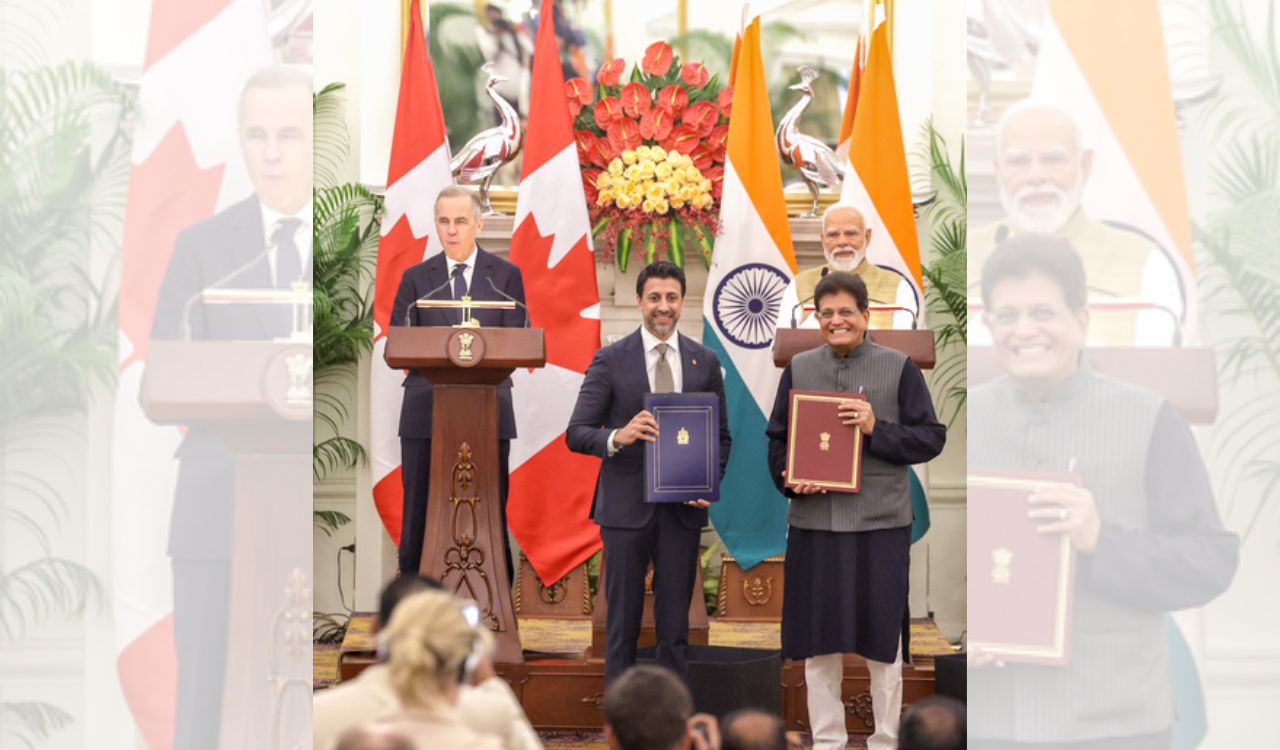


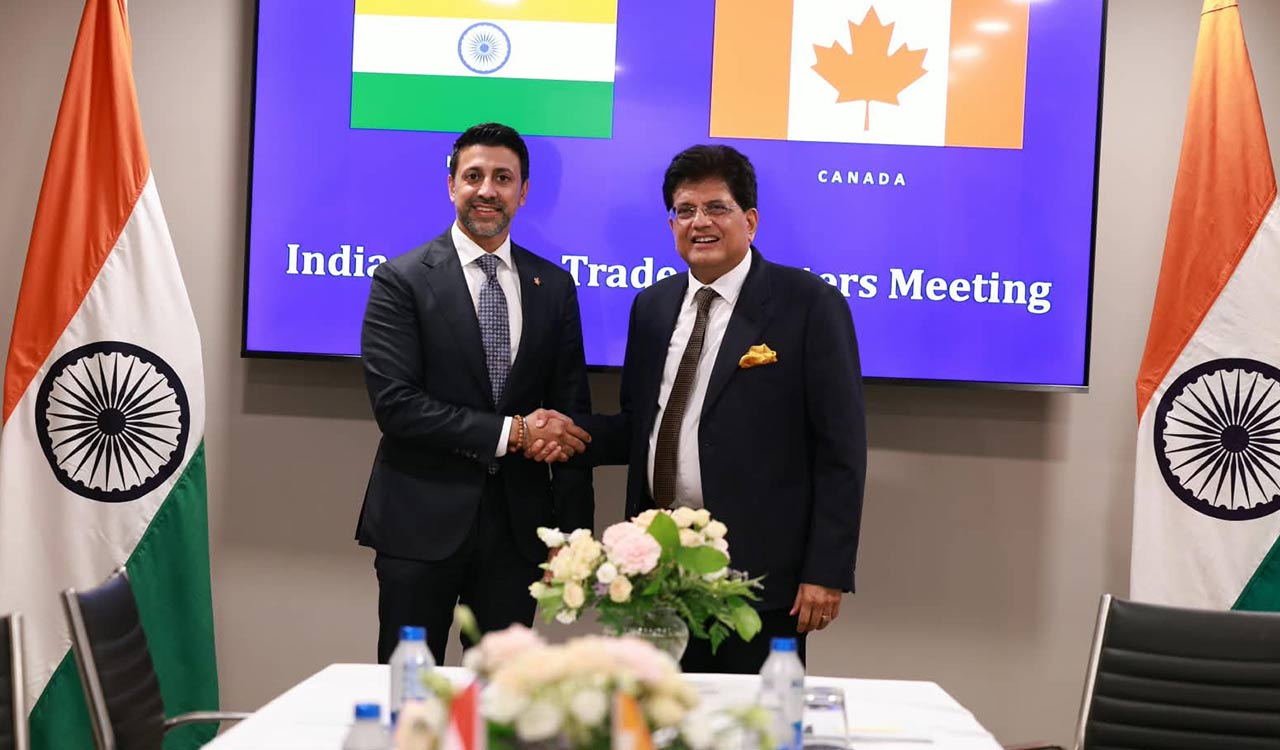
New Delhi: While trade negotiations between India and Canada have in the past been derailed due to political tensions between the two countries, the relaunch of talks during the visit of Canadian Prime Minister Mark Carney in March this year has provided a second chance to build a durable bilateral economic relationship amid the changed geopolitical landscape, according to India’s former envoy to the North American country.
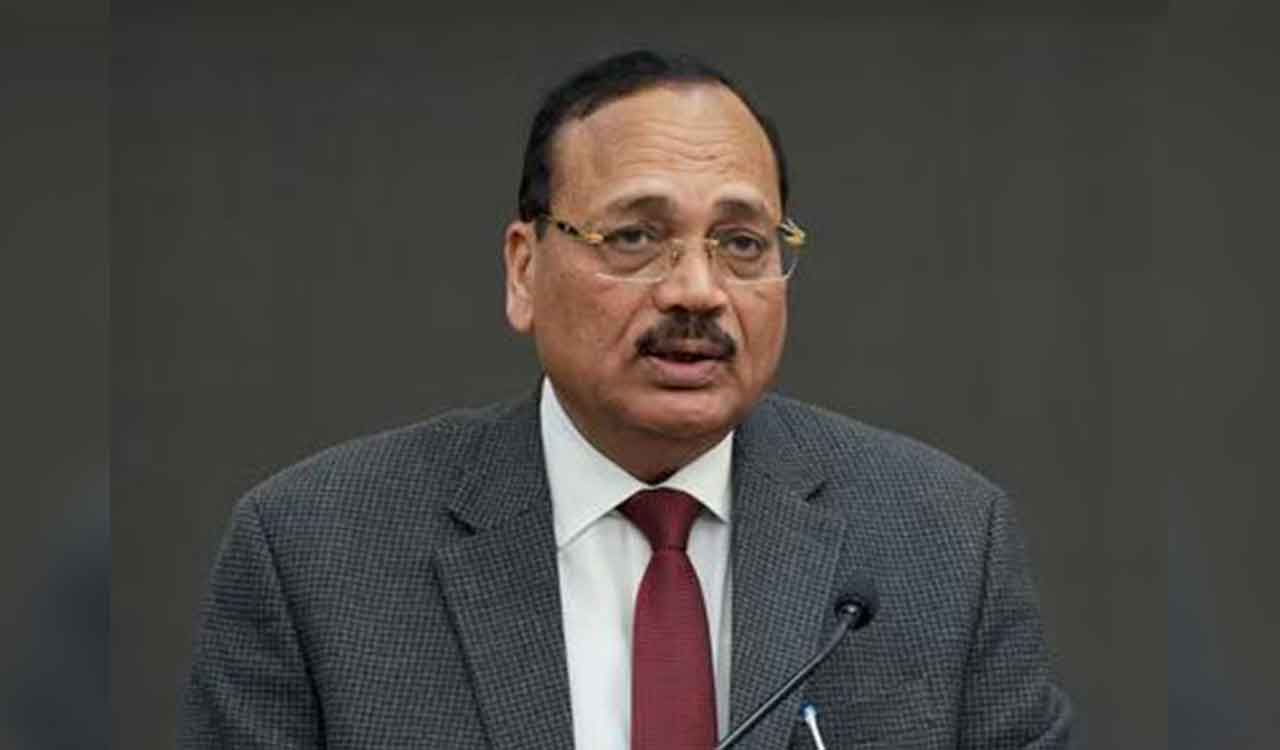
“Canada faces its own structural dilemma. Its overwhelming economic dependence on the United States has become a strategic constraint, particularly in an era of geopolitical uncertainty. Diversification is no longer optional. In that context, India represents not just another market, but a long-term strategic partner,” former High Commissioner to Canada, Sanjay Kumar Verma, highlighted in an article in India Narrative.
He was of the view that the shift in 2022 towards an Early Progress Trade Agreement (EPTA) reflected a degree of realism that had been missing earlier, and can be used to gradually build a lasting comprehensive economic partnership agreement (CEPA).
The CEPA should not be conceived as a single, all-encompassing outcome, but as a process that unfolds in stages. The first stage can consolidate what has already been negotiated under the EPTA framework. Subsequent stages can progressively incorporate more complex elements, including investment protection, digital trade, and regulatory cooperation. The most sensitive areas — those involving agriculture, intellectual property, or public procurement — can be addressed later, when the political and economic environment is more conducive, Verma wrote in the article.
The article highlights that trade in goods between the two countries, though currently modest, can expand with better market access and simpler rules of origin. Services trade, already a strong pillar of the relationship, can deepen significantly, particularly in areas such as information technology, education and professional services. Customs facilitation, often overlooked in public discourse, can play a critical role in reducing transaction costs and improving predictability.
It further states that two countries already enjoy strong investment links as Canadian pension funds and institutional investors have committed significant capital to India’s infrastructure and renewable energy sectors, while Indian companies have established a growing presence in Canada’s services economy. This investment corridor provides a foundation that most trade negotiations lack. It also creates a constituency with a vested interest in stability. However, a more predictable taxation and repatriation framework will be essential to sustain and expand Canadian investment, balancing sovereign regulatory space with investor confidence.
The former High Commissioner has also come out strongly in favour of insulating the agreement from the political disruptions that have plagued the bilateral relationship in the past.
“The answer does not lie in assuming that such episodes will not recur. It lies in designing institutions that ensure they do not derail economic engagement. Further, a well-designed CEPA does not merely survive political shocks; it raises the cost of creating them,” he stated in the article.
This means robust dispute resolution mechanisms, regular review processes, and institutional frameworks that continue to function irrespective of political temperature. It also means giving the private sector a more structured role, so that economic stakeholders can act as a stabilising force when governments find themselves at odds, he added.

Related News