India must diversify energy sources, says NITI vice chairman
NITI Aayog vice chairman Ashok Kumar Lahiri said India must diversify its energy sources in light of the West Asia conflict. He described the crisis as a short-term disruption and stressed the need for broader trade and energy security strategies
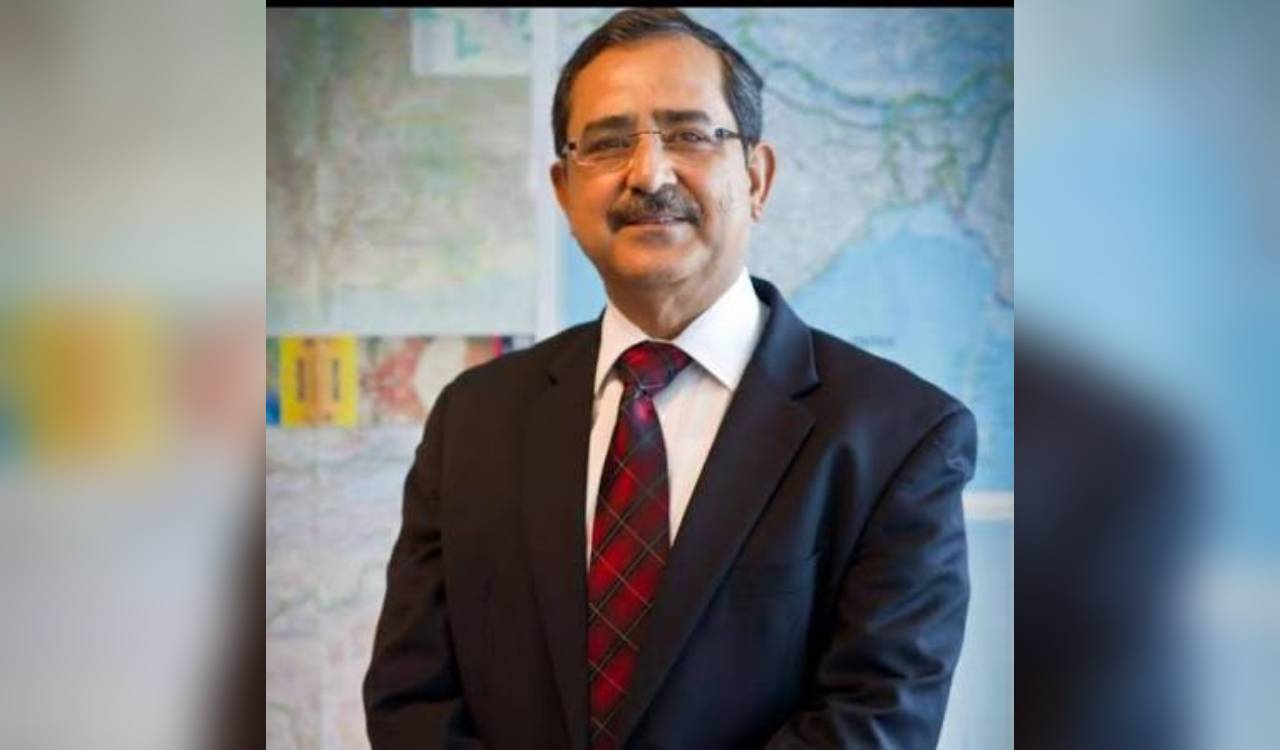


New Delhi: The West Asia conflict was a short-term supply chain problem, but it has taught that countries like India should diversify the sources of their energy needs, NITI Aayog vice chairman Ashok Kumar Lahiri said on Tuesday.
Releasing the Eighth Edition of ‘Trade Watch Quarterly’, Lahiri further said he is hopeful that soon India and the US will finalise and sign a bilateral trade agreement.
He said the NITI Aayog has also suggested that when India negotiates a free trade agreement with any country or bloc, it should include a chapter on pharmaceutical products.
“So, it is like you have a fever, but if it is influenza, you will not be very worried, you know.
“In three days it will get all right, but if you hear that it’s typhoid or jaundice, you will be very worried. So, the West Asia crisis has turned out to be influenza,” Lahiri said.
The war in West Asia broke out on February 28 when the US and Israel attacked Iran, and the latter retaliated, leading to a blockade of the Strait of Hormuz. The strait is the world’s primary oil chokepoint as it handles nearly a fifth of global oil and LNG supplies.
“It was a short-term problem, but it has taught us a few lessons. You do not put all your eggs in one basket, so we need to diversify our sources of imports, as well as our exports,” he said.
The United States last Thursday lifted its blockade of Iran, allowing oil tankers to move through the Strait of Hormuz as a tentative agreement to end the war took effect. The channel had been largely unusable for months, but shipping began to resume soon after a deal came into force.
On June 18, President Donald Trump signed an agreement with Iran that calls for Tehran to dilute its stockpile of highly enriched uranium and waives US-backed sanctions on the country, immediately allowing Iran to sell its oil freely in a major concession from Washington.

Related News
-

US carrier rearms as Iran trade routes narrow: Report
-
Kuwait-flagged oil tanker carrying 21 Indian seafarers struck by unknown projectile in Strait of Hormuz
-
Iran says Strait of Hormuz is completely closed as navy reports tanker incident
-
Iran’s IRGC says ‘violating’ supertanker exploded after hitting mines in Hormuz Strait