India’s electoral process among world’s most transparent: CEC Gyanesh Kumar
CEC Gyanesh Kumar said India's electoral process is among the world's most transparent, with verification at every stage. He urged Booth Level Officers to maintain accurate electoral rolls and encouraged youth to strengthen democratic awareness through Electoral Literacy Clubs and ECINET


Ahmedabad: Chief Election Commissioner (CEC) Gyanesh Kumar has said India’s electoral process is among the most transparent in the world, as verification is carried out at every stage, from electoral rolls to the counting of votes.
He was speaking at the ‘Interaction with Booth Level Officers’ programme held at Atal Kalam Hall at Gujarat University on Friday.
“At every stage of India’s electoral process, political parties, candidates or their agents continuously carry out verification. Therefore, India’s electoral process is among the most transparent electoral processes in the world,” an official release quoted Kumar as saying.
The electoral rolls are continuously verified with the participation of political parties and their Booth Level Agents (BLAs), he said.
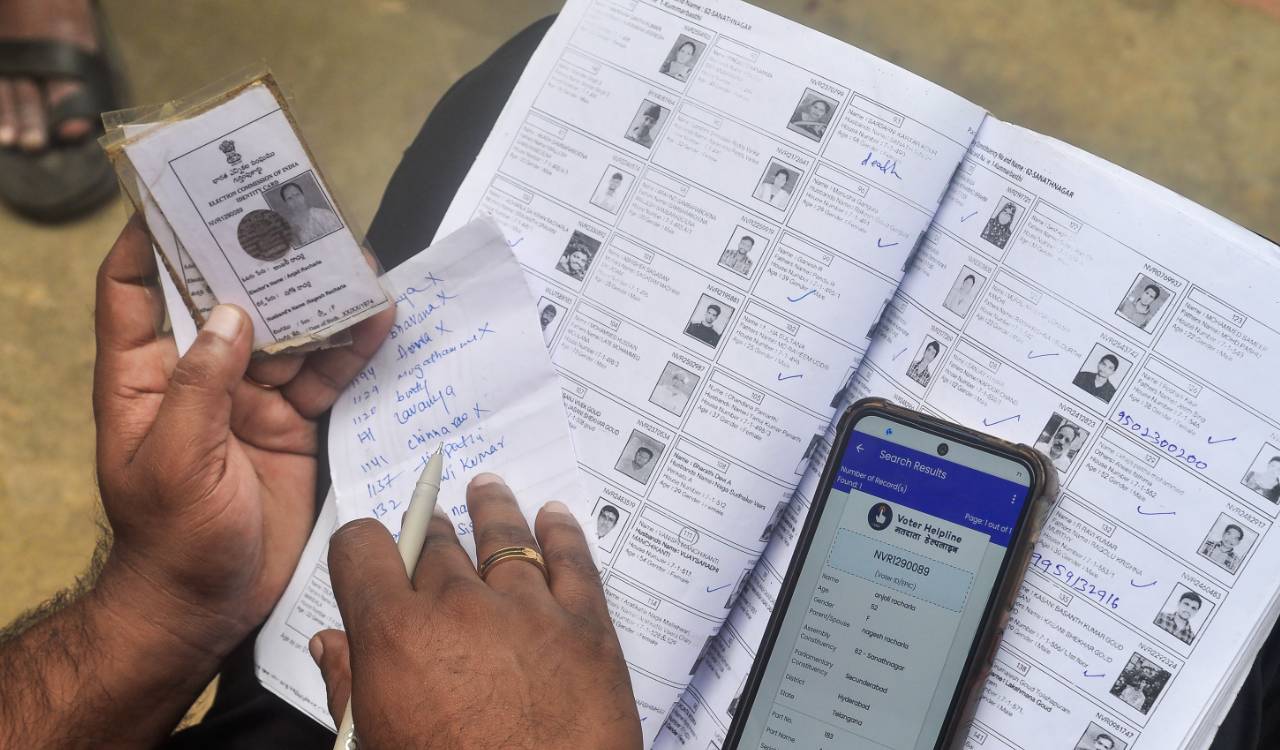
Booth Level Officers (BLOs) are responsible for identifying cases involving those who are Absent, Shifted, Dead, Duplicate or Foreigners (ASDDF), while ensuring that eligible voters remain on the electoral rolls, the CEC added.
The name of every eligible Indian citizen who has completed 18 years of age should be included in the electoral rolls, he said.
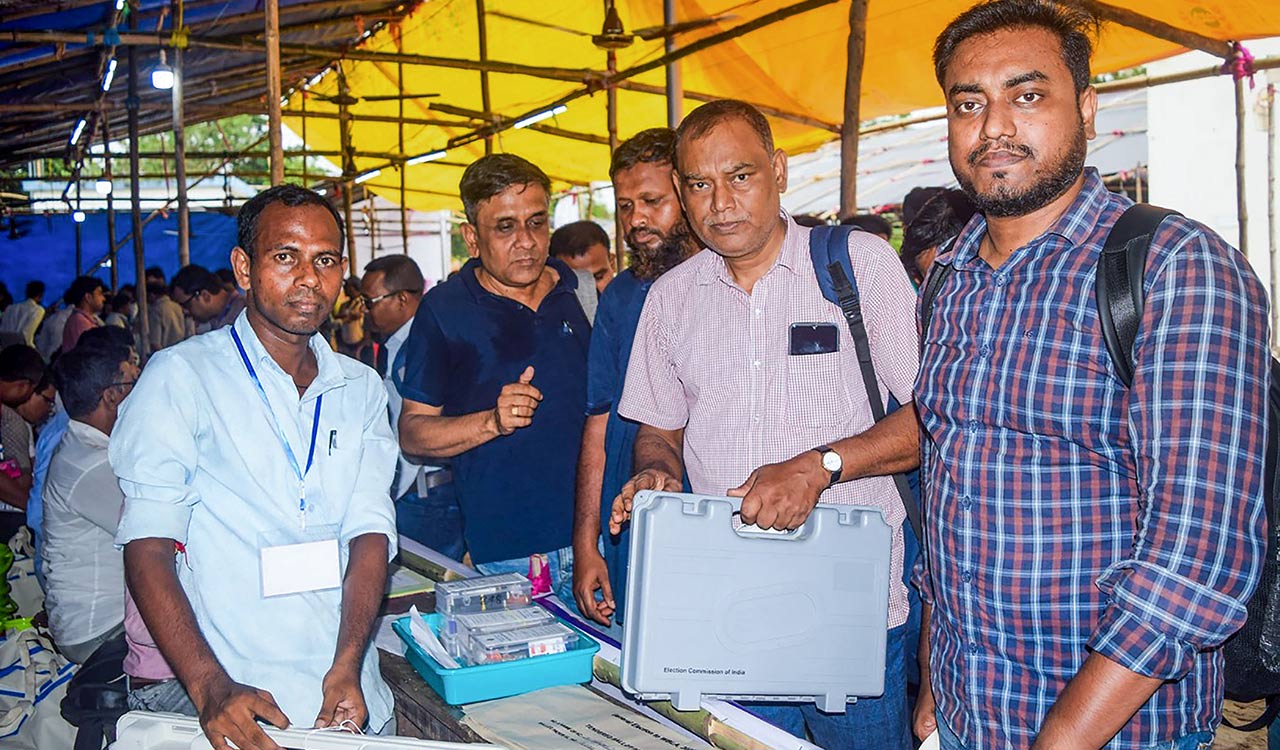
Explaining the transparency of the polling process, Kumar said that before polling begins, EVMs and VVPATs are checked during a mock poll in the presence of candidates’ polling agents.
After polling concludes, procedures related to EVM results are completed in the presence of candidates’ agents, and the necessary documents are signed, the release said.
Similarly, during counting, votes recorded in the EVMs are verified against the votes mentioned in Form 17C in the presence of the candidates’ counting agents, it added.
The chief of the poll authority said the Election Commission undertakes the electoral roll revision process, including Special Intensive Revision, from time to time to maintain the purity and accuracy of the rolls.
BLOs visit voters’ homes and directly interact with them to verify the required details, he said, adding that efforts are made to ensure the accuracy of electoral rolls through processes such as the submission of appropriate documents, mapping and hearings.
He urged BLOs to remain continuously active in maintaining the accuracy of electoral rolls and said that, whenever they get time, they should check the electoral roll in their respective areas and ensure that necessary procedures are completed to add the names of young people who have attained 18 years of age.
He said this is one of the greatest services to the country’s democracy.
Kumar also participated in the fifth regional conference on “Electoral Literacy Clubs and ECINET” in Ahmedabad, focusing on strengthening electoral literacy and democratic awareness among young citizens.
Kumar urged the youth and members present to download the ‘ECINET’ app and help their family members and people around them register new names on the electoral roll, the release said.
Electoral Literacy Clubs (ELCs) functioning in schools and colleges would further strengthen democratic values among young minds, it added.
At the programme, Kumar and other dignitaries interacted with more than 1,000 ELC members, school and college nodal officers, campus ambassadors, BLOs and various stakeholders.
India currently holds the chairmanship of the International Institute for Democracy and Electoral Assistance (International IDEA), an organisation comprising 35 major democracies, which reflects global recognition of India’s free and fair electoral system, the release quoted Kumar as saying.
The name of every citizen who has completed 18 years of age should be added to the electoral roll, and citizens should fulfil their duty by voting on polling day, he said.

Related News
-

Telangana SIR: Over 5.25 lakh electors marked for inclusion without hearings
-
‘Reclaim Jantar Mantar’ march seeks restoration of designated protest site
-
BJP to launch nationwide campaign to counter Cong claims on SIR, ECI
-
SC issues notice to ECI on Rahul Gandhi-led plea against Special Intensive Revision exercise