IPL should create its own calendar, not seek ICC window: Lalit Modi
IPL founder Lalit Modi has urged the BCCI to consider moving the tournament from its April-May window to January or an October-April calendar. He argued that the league does not need an ICC-allocated window and opposed reviving the Champions League T20
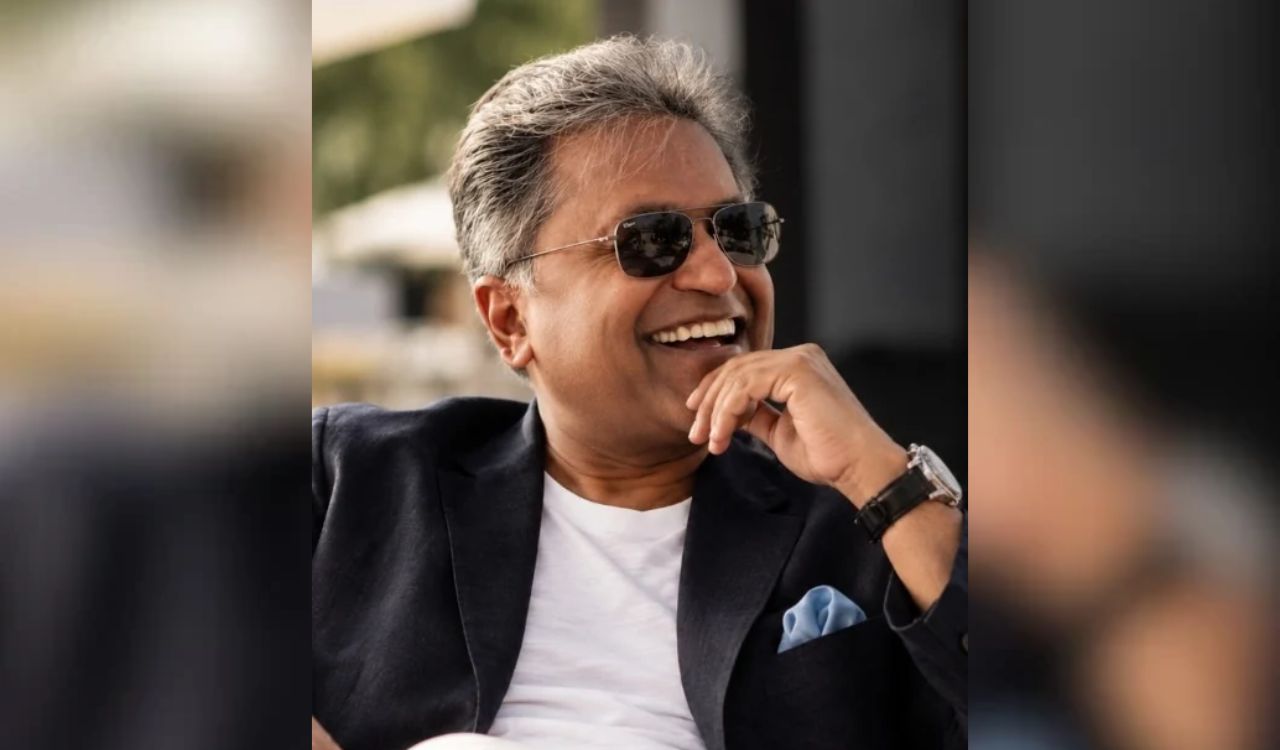


New Delhi: Lalit Modi, the founder of the Indian Premier League (IPL), has once again argued that the tournament does not need an ICC-allocated window, proposing that it be moved from its current slot to either a January start or an October-April calendar.
The IPL is a domestic tournament, and the BCCI can determine its own schedule while coordinating the availability of international players, Modi has asserted.
Highlighting the league’s scale and the need for it to achieve “sustainable” growth, Modi said the tournament “does not need a window” and is capable of creating its own.
“There seems to be a fundamental misunderstanding about the IPL and the international cricket calendar. A lot of cricket journalists and cricket administrators have reached out to me either scared or giving me Gyan on the value chain. I thought it best to tell my views bluntly. The IPL does not need the ICC to give it a window.
“The IPL is a domestic tournament owned and operated by the BCCI. The BCCI can decide when to stage it. Of course, international commitments and player releases must be managed, but that is entirely different from seeking permission to exist in a particular part of the calendar,” the IPL founder wrote in a social media post.
He further highlighted that the tournament was no longer trying to find its feet but had become a major commercial platform for Indian cricket and overseas players.
“And here is the bigger point. The IPL is no longer a tournament trying to find its place in world cricket. World cricket must recognise the place the IPL has already earned.
“I know this better than most. I created the IPL when many believed it would never work.
“In 2008, India’s movie, television and entertainment industries initially thought they could compete with it. They learnt very quickly what happens when the IPL captures the attention of a nation. Film releases were postponed, prime-time television was disrupted, and entertainment schedules were rewritten. The IPL didn’t ask Bollywood for a window. Bollywood adjusted to the IPL,” he added.
He also compared the IPL’s importance to cricket with that of the Premier League to football.
“Now imagine the IPL choosing its own optimal calendar. Others may try to counter-programme it. They are free to do so. But commercial reality is a very unforgiving umpire.
“The world’s leading cricketers understand where the financial opportunities are. For many international players, an IPL contract can represent a substantial proportion of their annual cricket earnings. That economic gravity is not going away.
“The IPL has become to cricket what the English Premier League is to football: a global sporting and commercial powerhouse with the ability to shape the wider ecosystem.
“And like the EPL, its strength comes from the product, the clubs, the supporters, the talent and the commercial model—not from asking competing competitions to clear the calendar,” he added.
The now-discontinued Champions League T20 was also among the most attractive franchise tournaments in the early 2010s. Over the years, there have been calls to revive the tournament, which brought together top teams from leagues across the world for a global club competition, similar to the UEFA Champions League in football. However, Modi did not support its revival.
“Why don’t I support reviving the Champions League T20? I was involved in creating the original Champions League concept. It made commercial sense in its time. But the world has changed.
“Today, IPL franchise ownership groups have expanded across several international T20 leagues. The prospect of teams under common ownership competing against each other creates obvious governance and conflict-of-interest questions.
“More importantly, why create another tournament competing for the same players, broadcasters, sponsors and increasingly stretched cricket calendar? We don’t need another competition. We need to strengthen the competition that already works,” he said.
The 62-year-old also proposed moving the IPL away from the increasingly hot April-May period, saying the change would help ensure its sustainable growth.
“My proposal is to seriously examine moving the IPL from the increasingly punishing April-May heat, with two alternatives: a January start or a carefully structured October-April competition calendar.
“The objective should be a commercially sustainable expansion, better playing conditions, more valuable broadcasting inventory and a stronger long-term economic foundation for Indian cricket.
“The BCCI has the asset. It has the audience. It has the commercial strength. It needs the confidence to use them.
“The ICC and other cricket boards should recognise the economic reality and work constructively around it. The IPL cannot be expected to subsidise an outdated global calendar indefinitely,” Modi said.
He cautioned that failing to make such changes could eventually prove costly for the organisers, saying the writing was already on the wall.
“The writing has been on the wall. Unfortunately, some people only read it when it appears on a balance sheet.
“You cannot run tomorrow’s cricket on yesterday’s economics. And remember one thing: The IPL was never built to follow the market. It was built to change the market,” he said.

Related News