IS, Al-Qaeda target parents to radicalise youths in South India, officials say
Security officials have flagged a shift in radicalisation tactics by the Islamic State and Al-Qaeda in South India. The outfits are allegedly targeting parents and close relatives of vulnerable youth, using family influence to spread extremist ideology
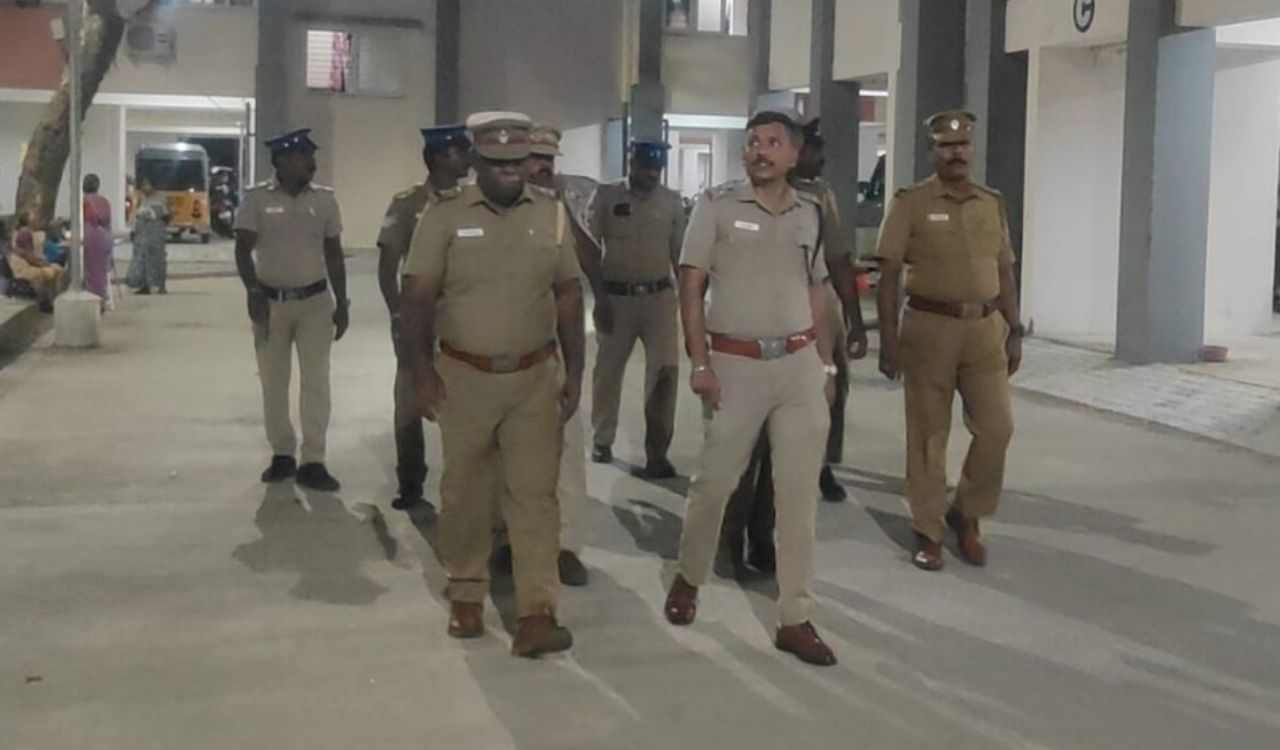


New Delhi: Invisible radicalisation, particularly in South India, has emerged as a major area of concern for security agencies, including the Intelligence Bureau, the National Investigation Agency (NIA) and local police forces.
Terror outfits such as Al-Qaeda and the Islamic State, which increasingly rely on radicalisation rather than direct ground operations, have significantly altered their methods of functioning.
An official said recent de-radicalisation initiatives had focused extensively on identifying and monitoring vulnerable youth in the southern states.
“There is particular emphasis on college students, unemployed youth and those who are disgruntled. The Islamic State and Al-Qaeda have realised that online surveillance of these groups is extensive. Their current strategy is, therefore, to reach out directly to the parents or close relatives of potential recruits,” the official said.
The objective is not to convert parents or close relatives to the violent ideology of these outfits. Instead, they seek to draw these individuals into their network and persuade them to radicalise their children. This approach is now being described as home radicalisation, the official added.
An Intelligence Bureau official said handlers from abroad had been roped in to chat with parents and close relatives. Once these individuals were convinced, they were asked to scout for material that could be used to radicalise their children.
“This strategy is considered more effective and carries far less risk. Security agencies are generally less likely to suspect parents and close relatives. Parents, in particular, are prime targets for these groups because they attract the least suspicion,” the official said.
Further, the radicalisation is taking place first-hand and not through a third party. This makes the success rate extremely high. There have also been cases in which handlers have reached out to youth directly.
There is a two-in-ten chance of a youth being radicalised by a third party, the official said. Many who initially show interest tend to lose motivation or back out during the radicalisation process. However, the situation is different when a parent or close relative is involved. Parents and relatives have greater influence over young people, making them more persuasive and significantly increasing the chances of successful radicalisation.
Another official said that a child very rarely questions a parent or relative. “He believes what they are saying is the gospel truth and would blindly follow what they are saying. The child is convinced that what their parents or relatives are saying is the way to lead their lives, and this makes them extremely radical and highly dangerous,” the official said.
States such as Tamil Nadu, Kerala and Karnataka have been the biggest radicalisation theatres for the Islamic State and Al-Qaeda. While these groups initially expected radicalised youth to carry out lone-actor attacks, they have now been told to hold off. The current strategy is to avoid mass-casualty incidents, preach the violent ideology discreetly, try to become part of the political system and build social legitimacy.
The strategy can be implemented with relative ease and poses a serious security concern given the shift in radicalisation methods. A youth radicalised by a parent or close relative becomes a particularly susceptible target for the further entrenchment of extremist ideology, the official said.
The Islamic State has used this tactic, and it has worked once for the outfit. In Thiruvananthapuram, the police invoked provisions of the Unlawful Activities (Prevention) Act (UAPA) after it was found that a 16-year-old boy had been radicalised by his mother and stepfather. They were persuading him to join the Islamic State. The case was resisted by the Venjaramoodu police. It was registered in November 2025.
Officials said the case had fortunately been detected, but this did not mean it would deter terror groups from attempting similar acts on a much wider scale, an official said.
In many cases, agency-driven de-radicalisation strategies have managed to bring such individuals back into the mainstream. This has largely worked because agencies have managed to convince the youth about the ill intent behind such propaganda.
They have also been able to cite incidents in which recruiters tried to misguide youth into joining these outfits, while the reality was different. However, convincing a person who has been radicalised by a parent or relative to abandon the ideology and refrain from joining these terror outfits would be a Herculean task, as the process takes place first-hand and not through a third-party handler, an official said.

Related News
-

NIA begins tracking Bengal youths brainwashed by arrested JMB associates
-
Bombay HC stays bail granted to Sachin Waze in Antilia bomb scare case
-
Former Maoist leaders seek revocation of death sentence in Jeeram Ghati case
-
Australian man is accused of being Islamic State group propagandist who shared 10,000 files online