Jaishankar flags Kashmir reference in Poland-Pakistan statement
External Affairs Minister S Jaishankar urged Poland to adopt zero tolerance for terrorism and not fuel terror infrastructure in India's neighbourhood, while raising concerns over selective targeting of India on the Ukraine conflict during talks with Polish Foreign Minister Radoslaw Sikorski
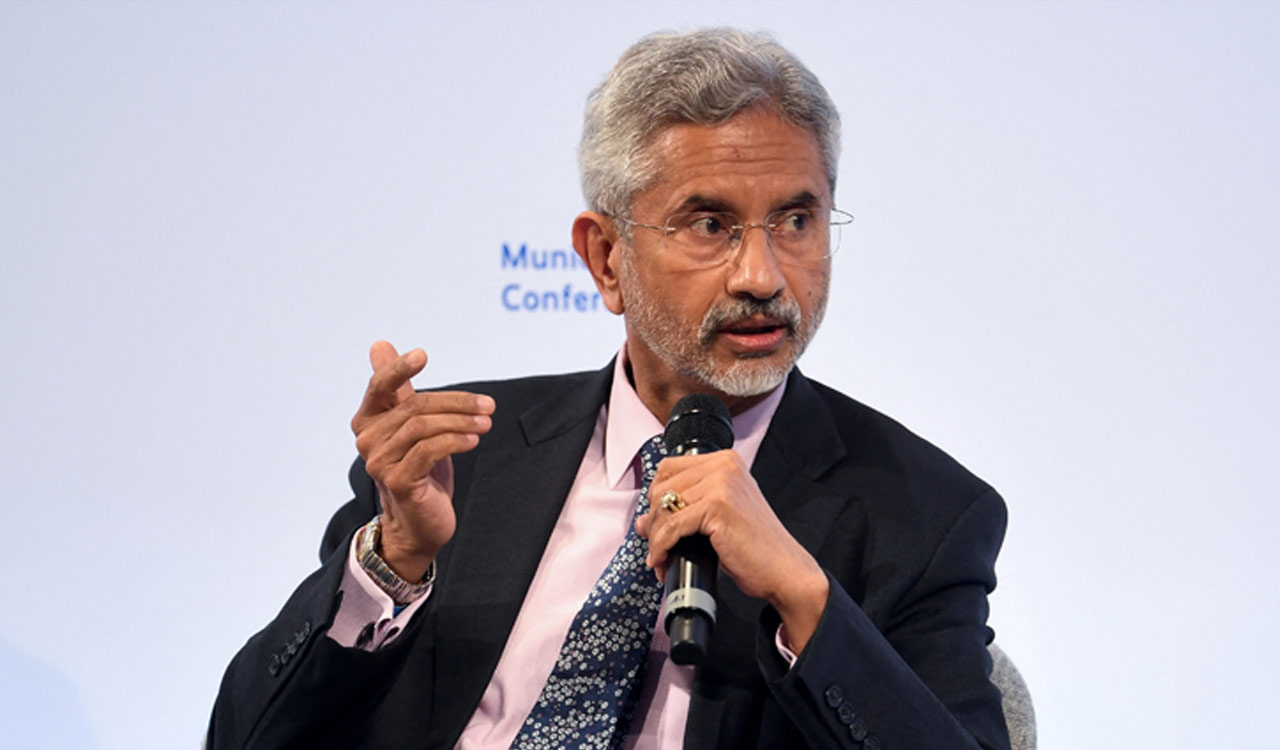


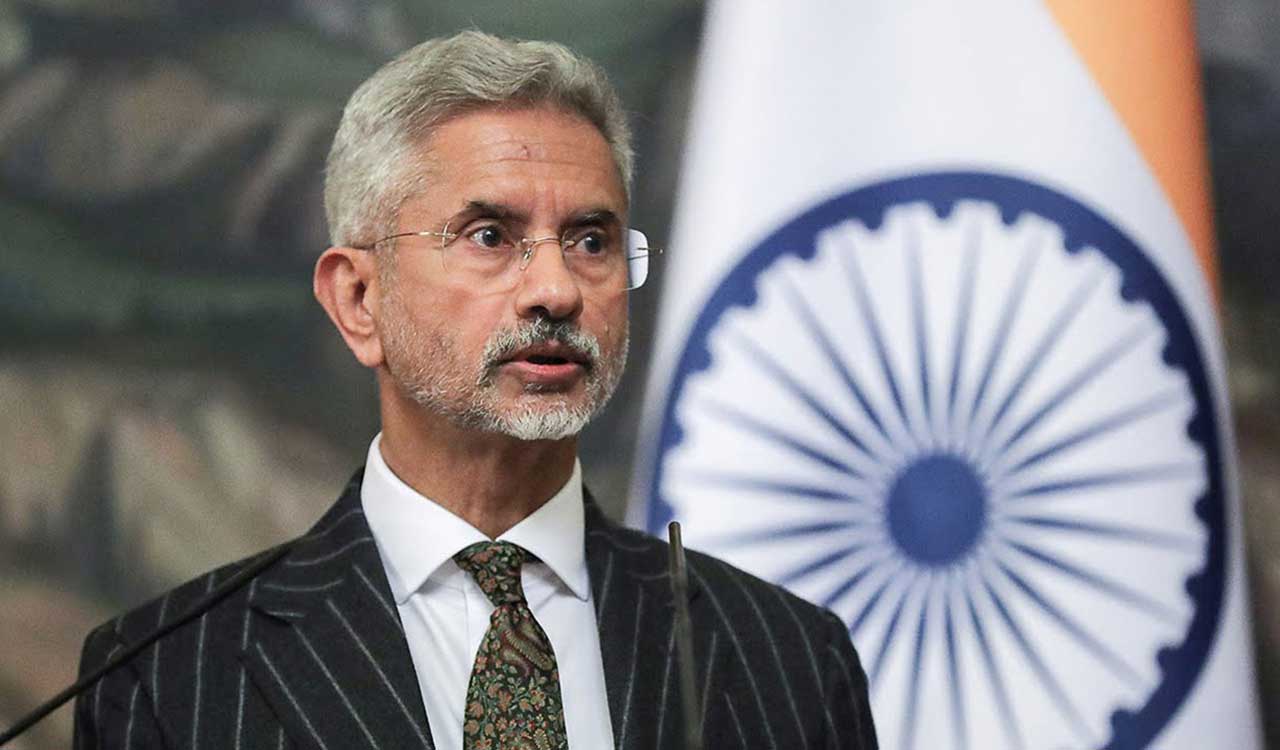
New Delhi: Poland should display “zero-tolerance” for terrorism and not help “fuel” terrorist infrastructure in India’s neighbourhood, External Affairs Minister S Jaishankar told his Polish counterpart Radoslaw Sikorski on Monday in a blunt message, apparently over the mention of Kashmir in a Poland-Pakistan joint statement in October.
At a meeting with Sikorski, Jaishankar also expressed his anguish over the unfair and unjustified “selective targeting” of India over the Ukraine conflict, in what is seen as a reference to Western nations’ criticism of New Delhi over its energy ties with Russia.
The external affairs minister made the comments in his televised opening remarks at the meeting in New Delhi. Sikorski is also Poland’s deputy prime minister.
For his part, the Polish foreign minister said he completely agreed with Jaishankar on the “unfairness” and “selective targeting” in the context of tariffs over India’s relations with Russia.
Sikorski is on a three-day visit to India, which comes less than 10 days before the top leadership of the European Union travels to the country.
“You are no stranger to our region and are certainly familiar with the long-standing challenge of cross-border terrorism,” Jaishankar said.
“I hope at this meeting to discuss some of your recent travels to the region. Poland should display zero-tolerance for terrorism and not help fuel terrorist infrastructure in our neighbourhood,” he said.
In late October, Sikorski travelled to Islamabad and held wide-ranging talks with Pakistan Foreign Minister Ishaq Dar, following which a joint statement was issued that mentioned the Kashmir issue.
The external affairs minister also reiterated India’s consistent position on the Ukraine conflict.
“In the recent past, both in New York last September and in Paris this January, I have candidly shared with you our views on the Ukraine conflict and its implications,” Jaishankar said.
“While doing so, I have also repeatedly underlined that the selective targeting of India is both unfair and unjustified. I do so again today,” he added.
In his remarks, Jaishankar also spoke about the upswing in India-Poland ties.
“We meet at a time when the world is under considerable churn. As two nations located in different regions, each with its own challenges and opportunities, it is useful to exchange views and perspectives. Our bilateral relationship has also progressed steadily but needs constant attention,” he said.
Jaishankar also recalled Prime Minister Narendra Modi’s visit to Poland in August 2024 and said it saw the relationship elevated to the level of a strategic partnership.
In the talks, the two foreign ministers discussed ways to take forward ongoing cooperation in trade and investment, defence and security, clean technologies and digital innovation.
“Poland is one of India’s largest trading partners in Central Europe. Our bilateral trade, I believe, stands at USD 7 billion, having registered growth of nearly 200 per cent over the past decade,” Jaishankar said.
“Indian investment in Poland has crossed USD 3 billion, creating several job opportunities for Poles. India’s strong economic growth, market size and pro-investment policies provide immense opportunity for Polish businesses,” he said.
The external affairs minister also mentioned “Dobry Maharaja (The Good Maharaja)”, a term used by Polish people to remember Maharaja Digvijaysinhji Ranjitsinhji Jadeja of Nawanagar, who provided shelter, food and education to over 650 Polish children fleeing Soviet oppression during World War II.
“The Dobry Maharaja remains a cherished link,” he said on people-to-people ties between the two countries.

Related News
-

Kalam’s birth anniversary: Union ministers, CMs hail Missile Man of India’s legacy on birth anniversary
-
Canadian Foreign Minister Anita Anand to arrive in Delhi today
-
S Jaishankar arrives in Ethiopia to strengthen India’s strategic partnership
-
EAM Jaishankar hails Capt Smit Machchhar’s ‘extraordinary courage’ for foiling mid-air attack