Mumbai-Ahmedabad bullet train project hits key tunnel milestone
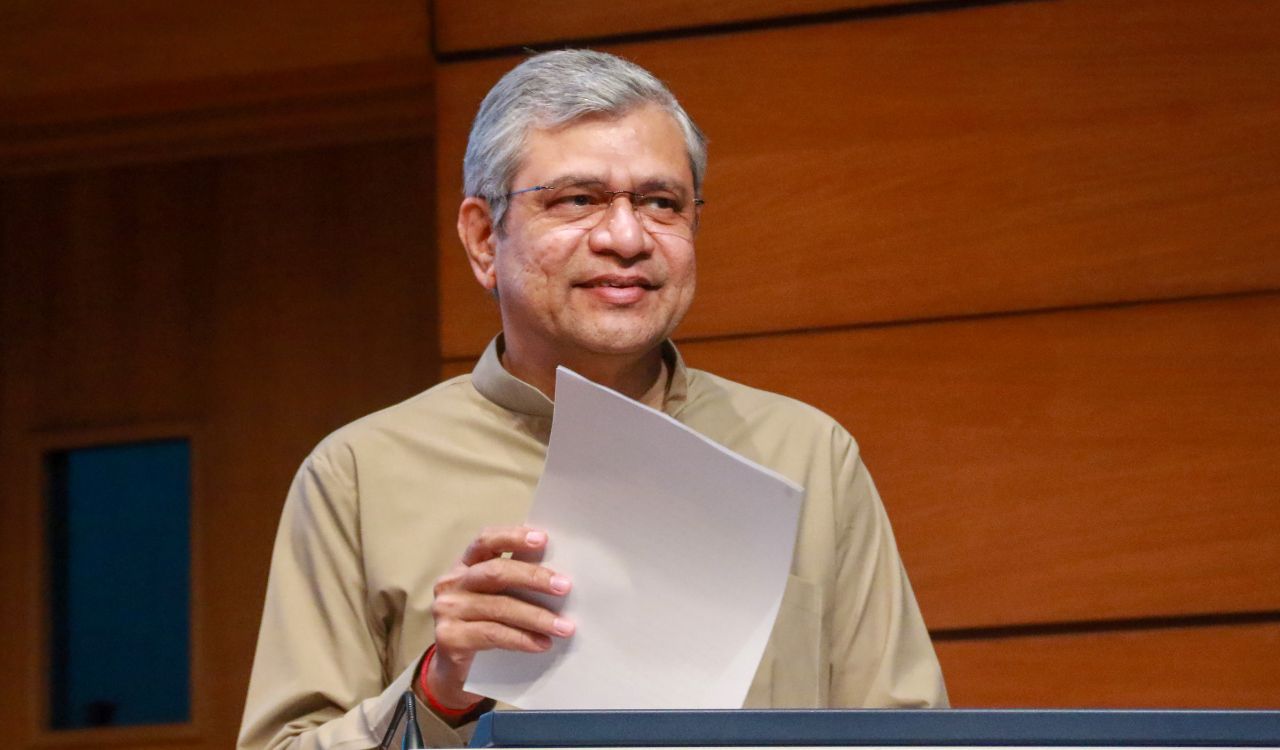
Railway Minister Ashwini Vaishnaw virtually witnessed the breakthrough of a 1.5-km mountain tunnel on the Mumbai–Ahmedabad bullet train corridor in Palghar. The 508-km high-speed rail project, supported by Japan, will reduce travel time to under two hours
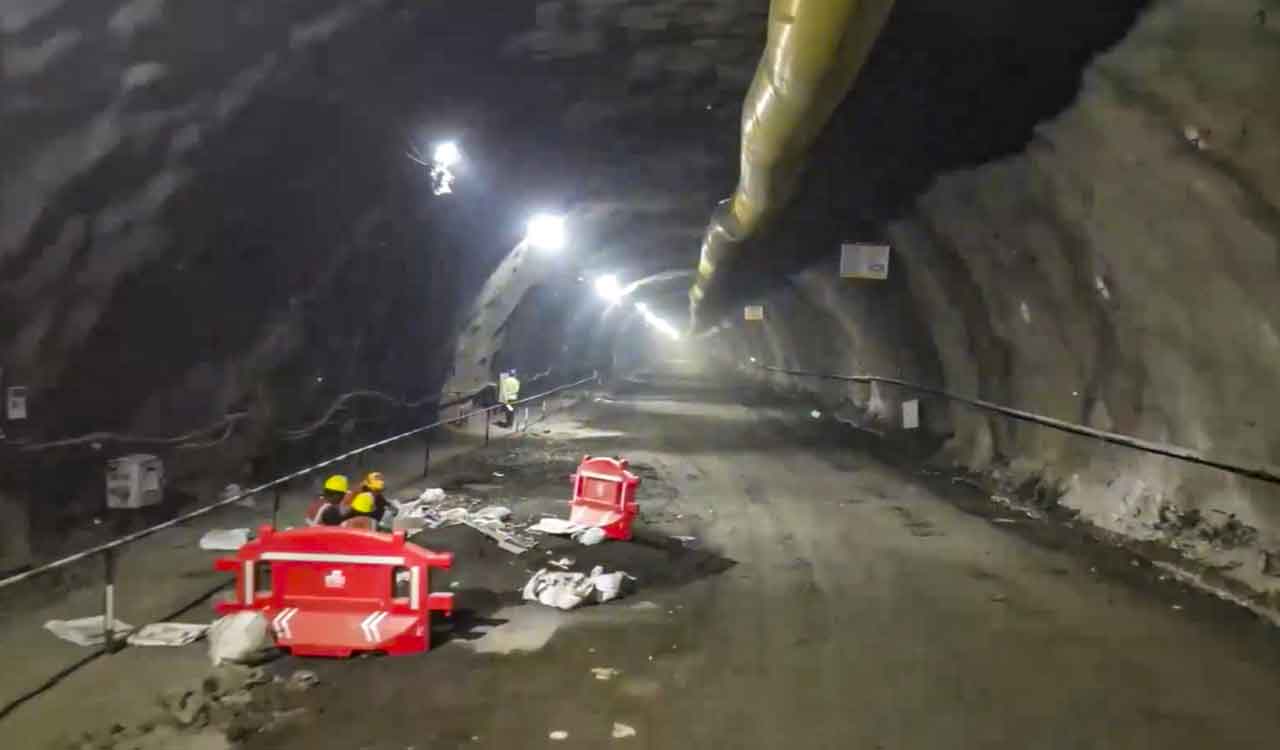


New Delhi: Railway Minister Ashwini Vaishnaw on Friday virtually witnessed the final breakthrough of a 1.5-km-long mountain tunnel of the bullet train project in Maharashtra‘s Palghar district from Rail Bhawan in New Delhi.
“A big milestone has been achieved today. This achievement is the breakthrough of the mountain tunnel 5,” Vaishnaw said, while speaking to mediapersons.
“This 1.5-km-long mountain tunnel is among the longest in Palghar district and is located between the Virar and Boisar bullet train stations. It is the second tunnel breakthrough in Maharashtra, as the first 5-km-long underground tunnel between Thane and BKC was completed in September 2025,” a Railway Ministry press note said.
The 508-km railway project connecting Mumbai and Ahmedabad, which passes through Gujarat, Maharashtra, and Dadra and Nagar Haveli, is India’s only high-speed rail project designed to operate bullet trains at a speed of 320 kmph.
Once completed, the project will reduce travel time between Mumbai and Ahmedabad to just 1 hour and 58 minutes, connecting and integrating the economies of major commercial centres, according to Vaishnaw.
The project is being executed with technical and financial assistance from the Japanese government.
Officials said it includes eight mountain tunnels, with seven tunnels in Maharashtra having a combined length of about 6.05 km, and one tunnel of 350 metres located in Gujarat.
“The Mumbai-Ahmedabad High Speed Rail project has a total length of 508 km, with an overall tunnel length of 27.4 km, of which 21 km comprise underground tunnels and 6.4 km surface tunnels,” the ministry said.
The corridor will connect major cities, including Sabarmati, Ahmedabad, Anand, Vadodara, Bharuch, Surat, Bilimora, Vapi, Boisar, Virar, Thane, and Mumbai, marking a “transformative step in India’s transportation infrastructure”, it added.
Vaishnaw said the bullet train project is generating significant employment and will provide additional opportunities during operation.
Responding to a question on whether the E10 Shinkansen, Japan’s next-generation high-speed bullet train, can operate on the 508-km Mumbai–Ahmedabad corridor, he said it can support the speed of E10 trains as well.
The E10 is capable of running at a speed of 360 kmph.
Vaishnaw reiterated on Thursday that the first phase of the project will be completed in August 2027.

Related News