NCERT introduces Emergency chapter in Class 9 Social Science textbook for first time
NCERT has included a chapter on the 1975-77 Emergency in a Class 9 Social Science textbook for the first time. The chapter discusses its impact on democracy, civil liberties and institutions, while also examining contemporary challenges facing India's democratic system.


New Delhi: Nearly five decades after the Emergency was declared in India, the National Council of Educational Research and Training (NCERT) has incorporated the subject into a Class 9 Social Science textbook for the first time.
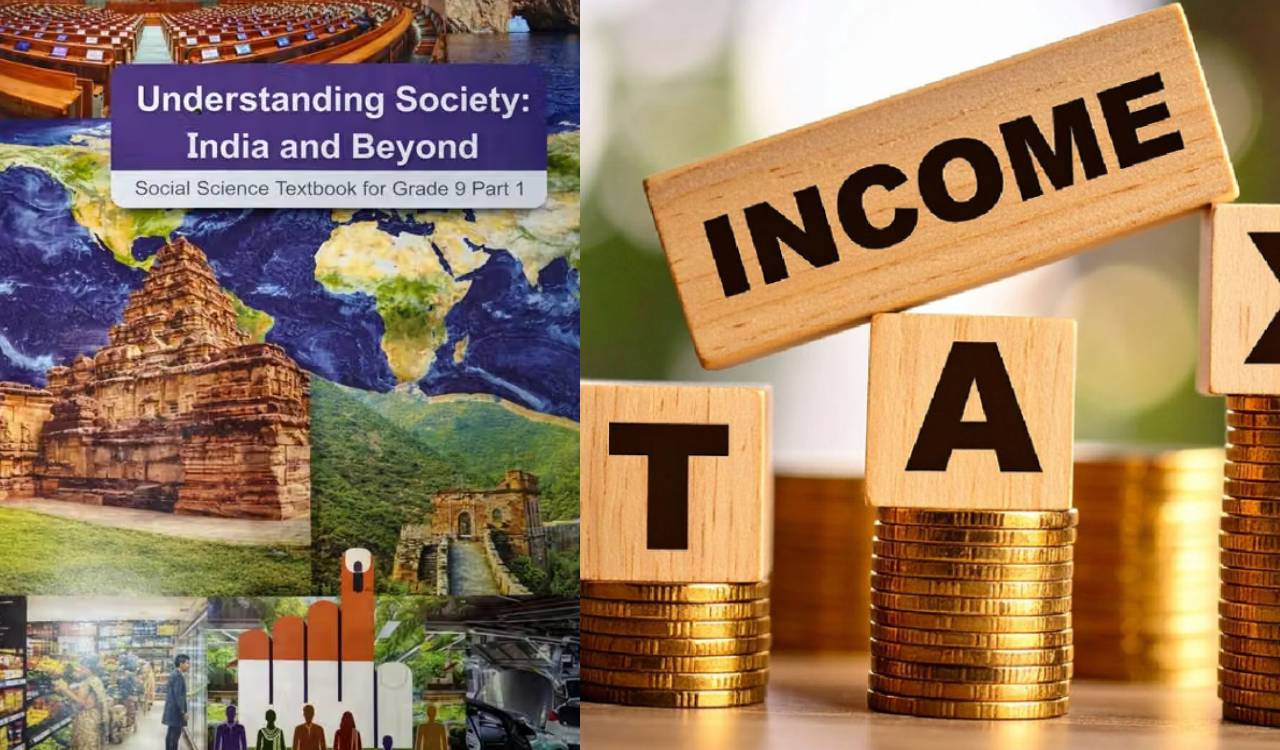
The newly introduced textbook, ‘Understanding Society: India and Beyond’, presents the Emergency period as a significant challenge faced by India’s democratic system.
The topic has been included in a chapter examining both the achievements and challenges of democracy in the country. According to NCERT officials, this marks the first instance of the Emergency being covered in a Class 9 textbook.
The inclusion coincides with the completion of 50 years since the Emergency was imposed in 1975. The chapter outlines the political and social circumstances that preceded the decision and discusses its impact on democratic institutions and civil liberties.
According to the textbook, public discontent with the government had been growing in the early 1970s due to factors such as rising unemployment, high inflation and concerns over governance. These issues contributed to widespread protests and political unrest in several parts of the country.
The text explains that a National Emergency was declared in June 1975 on the grounds of internal disturbance. During the 21-month period that followed, several constitutional freedoms were curtailed, press censorship was enforced, and many opposition leaders and activists were detained. The chapter notes that democratic institutions came under considerable pressure and that citizens experienced restrictions on their rights and freedoms.
The textbook also discusses the contribution of veteran leader and social reformer Jayaprakash Narayan, popularly known as Lok Nayak, in mobilising opposition to the Emergency. It highlights how movements led by him brought together students, youth groups and citizens, particularly in Bihar and Gujarat, creating a broad-based campaign for democratic reforms.
The chapter further explains that the Emergency was withdrawn in 1977, following which general elections were held. It notes that the outcomes of those elections demonstrated the resilience of India’s democratic framework, as voters were able to express their views through the electoral process and bring about political change.
Beyond the Emergency, the revised textbook examines several contemporary challenges confronting democracy. These include misinformation, fake news, poverty, regional divisions, social discrimination and gender inequality. The objective is to help students understand the complexities of democratic governance in modern society.
A new section titled “Democracy and You” has also been added to encourage students to engage with democratic values and understand their responsibilities as active citizens.
The textbook also focuses on India’s democratic institutions, the role of media as the “fourth pillar of democracy”, voter participation, polling systems and grassroots democracy through examples of panchayats. It also includes sections on women’s voting rights and reservations in local bodies.
Related News