Nepal flash flood death toll rises to 734 as nearly 2,500 remain missing
The death toll from devastating flash floods in Nepal rose to 734 as water levels in the Bhotekoshi River increased again, prompting fresh warnings. Nearly 2,500 people remain missing as rescue operations continue amid rain, landslides and fears of renewed flooding
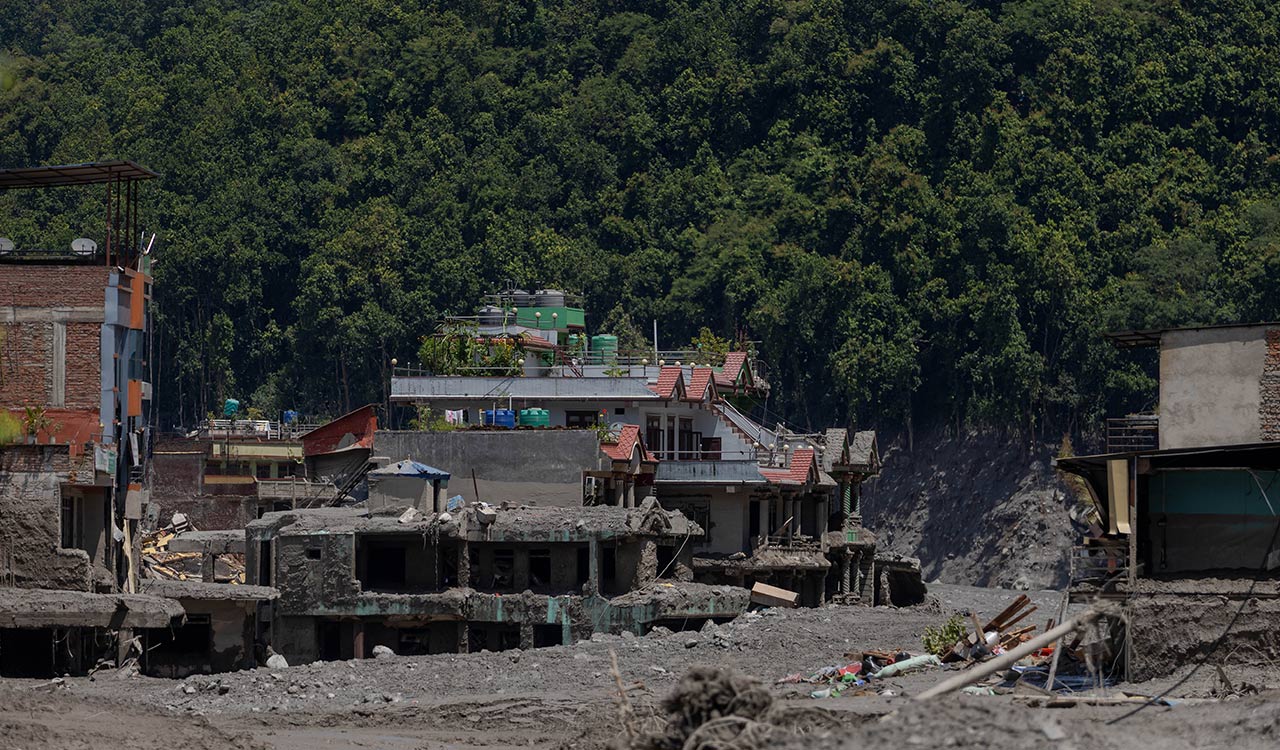


Kathmandu: Water levels in the Bhotekoshi River rose again on Sunday, days after a devastating flash flood struck Nepal, authorities warned, urging residents and rescue personnel in flood-hit districts to remain alert.
The death toll from the August 26 flash floods rose to 734 on Sunday, while nearly 2,500 people remain missing.
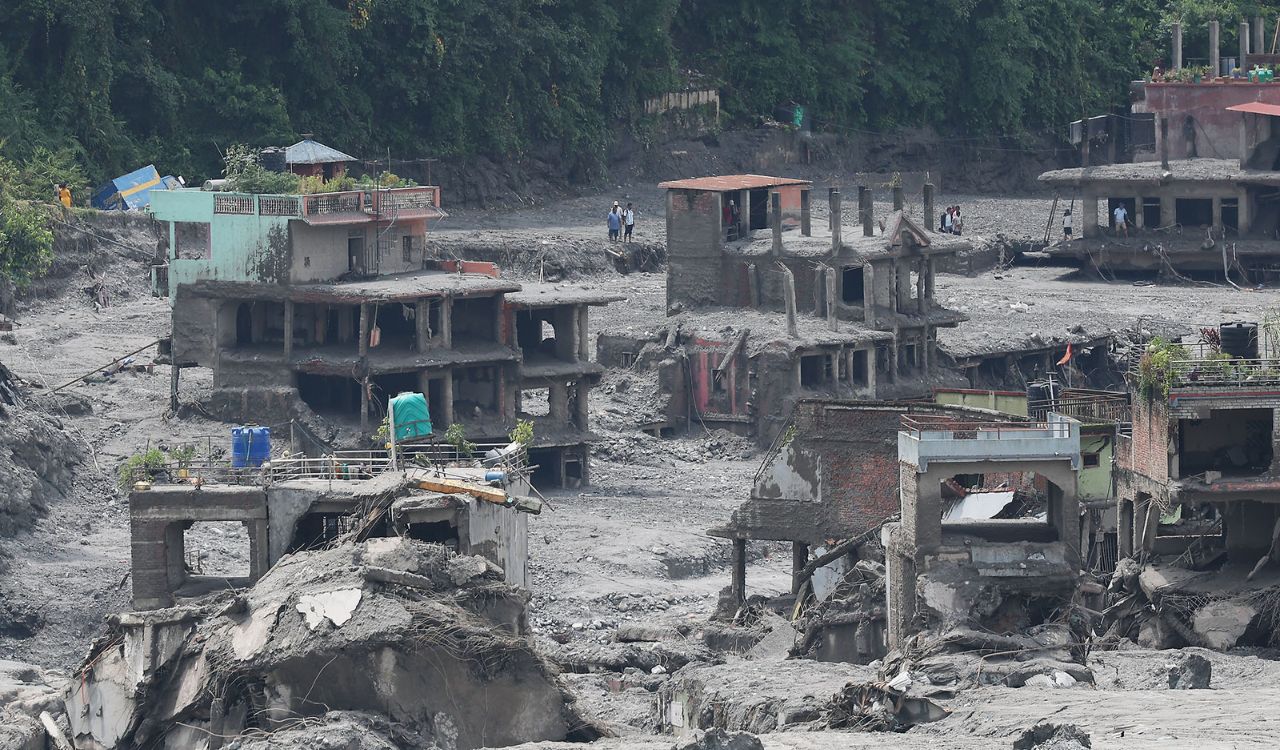
The disaster, believed to have been triggered by a collapse or avalanche of ice and rock near the Nepal-Tibet border, devastated towns and villages in central Nepal.
The Bhotekoshi River, which flows south from the Himalayan border region, carried floodwaters downstream, sweeping away homes, vehicles, roads and bridges and damaging hydropower projects.
In a statement, the National Disaster Risk Reduction and Management Authority (NDRRMA) warned that water levels in the river had risen again.
“The water level in the flooded Bhotekoshi River has risen to some extent; all concerned are urged to take precautionary measures,” the NDRRMA said on Sunday.
The agency said it would provide updates on the situation after receiving additional information.
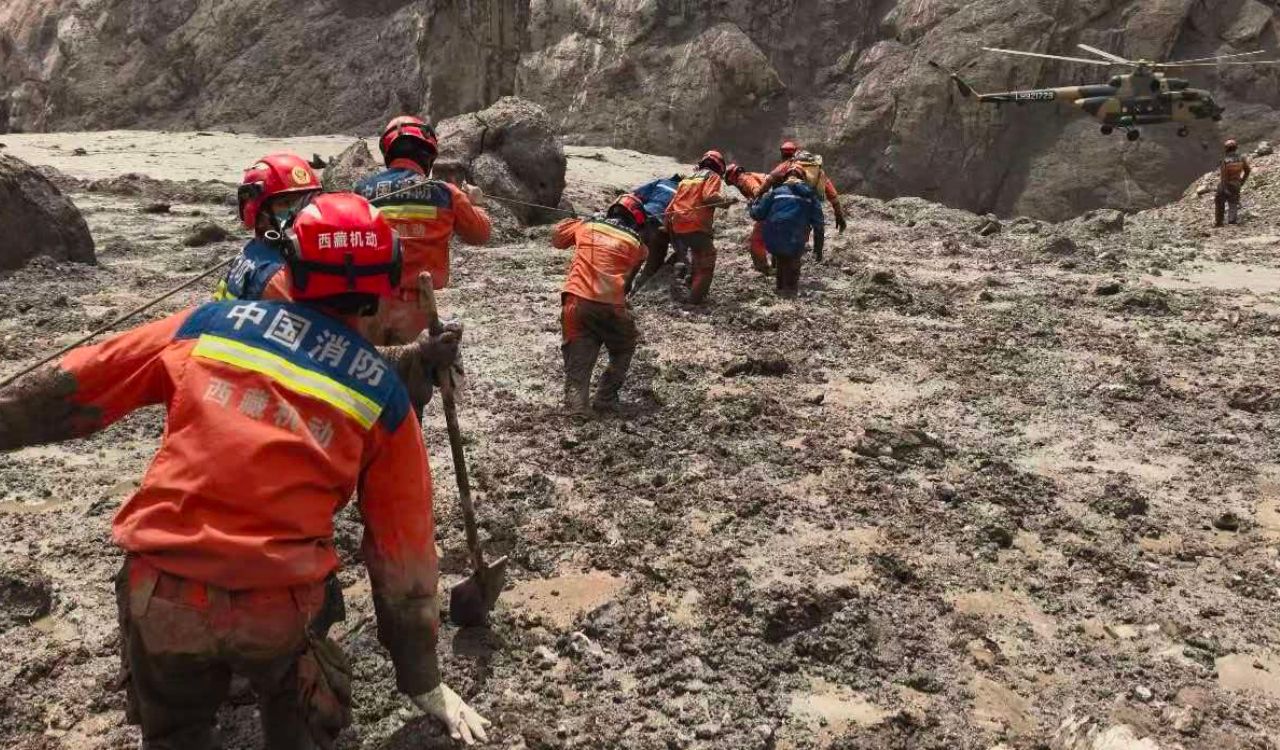
Bodies continued to be recovered in the Himalayan nation as search and rescue operations pressed ahead amid intermittent rainfall and rising water levels.
Fears of fresh flooding in Nepal were triggered after a lake formed on the Chinese side following the August 26 Himalayan glacier collapse.
However, on Saturday, the threat of a catastrophic breach of the barrier lake appeared to recede as its size began decreasing, according to Chinese media reports.
On Sunday, fresh reports said a landslide near the natural dam had led to the formation of another “dam lake”, prompting rescue personnel to evacuate the area.
Nearly 2,500 people, including 320 foreigners, remain missing following the disaster, according to authorities. The disaster also left 16 people dead and nearly 550 missing on the Chinese side.
The Ministry of External Affairs in New Delhi said on Saturday that more than 275 Indians and 128 persons of Indian origin remained missing or non-contactable, while 108 others were rescued following the flash floods.
Meanwhile, the Nepalese government has mobilised nearly 20,000 security personnel for search and rescue operations, while helicopters have been making repeated sorties to evacuate stranded people and deliver relief supplies.
Nepal Foreign Minister Shisir Khanal said on Saturday that more than 4,500 people had been rescued and that search and rehabilitation operations were ongoing, even as the country remained on “high alert”.
Nepal’s meteorology department warned on Saturday of fresh rainfall and thunderstorms in the country’s flash flood-affected areas, threatening to disrupt ongoing rescue and relief operations amid the worsening crisis.
Transport services have been halted along the Prithvi Highway, a vital roadway linking the capital city of Kathmandu to Pokhara and western Nepal.
A section of the road was washed away by the Trishuli River at Krishnabhir. Officials said the highway’s reopening would take some time and urged people to use alternative routes.
Nineteen motorable bridges were washed away when the flash floods struck the Himalayan nation.
The flash floods also damaged eight operational hydropower projects with a total capacity of 354 MW and five under-construction projects in Nuwakot and Rasuwa districts, according to the Independent Power Producers’ Association Nepal (IPPAN).
Hundreds of workers are believed to be trapped at around a dozen hydropower project sites in the flood-affected areas. Nepali security forces have so far rescued 191 of them, even as many others remain non-contactable.
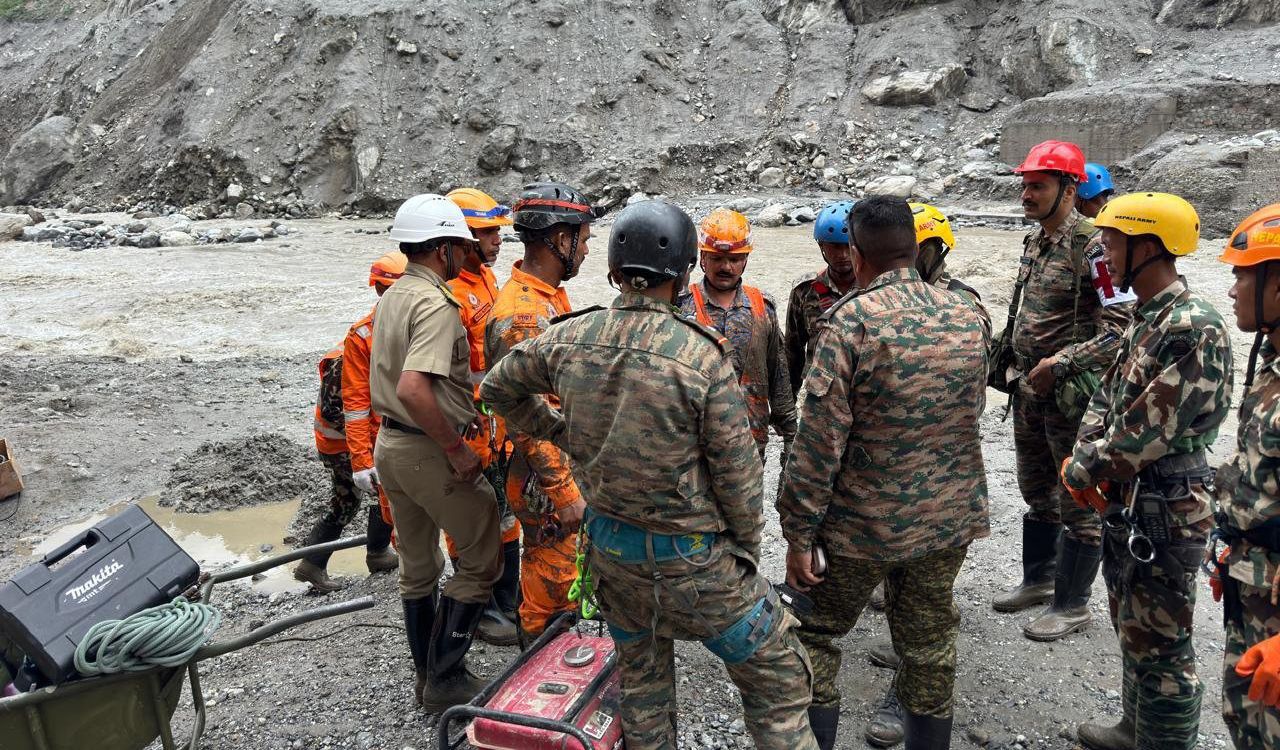
An 11-member team from India is assisting in rescue operations to evacuate the trapped workers.
At the Trishuli hydropower project site, Nepalese security personnel, with the assistance of Indian tunnel experts, continued efforts to evacuate those trapped by locating the tunnel entrance after midnight on Saturday, despite heavy rain throughout the night, according to Nepal Army sources.
According to the NDRRMA, 242 people injured in the Bhotekoshi flash floods had been admitted to different hospitals, including Tribhuvan University Teaching Hospital and Bir Hospital in Kathmandu, and Rasuwa District Hospital in Dhunche, till Saturday evening.
Nepal’s government has distributed Nepalese Rupees (NPR) 10 million in cash to affected people in Rasuwa and Nuwakot districts, NPR 5 million to Dhading, and NPR 67.5 million to different municipalities, according to Home Ministry sources.
So far, 37 trucks carrying food items and seven helicopters loaded with food and non-food items have been dispatched to the affected areas. Two tonnes of food items were sent to Uttargaya and Dhunche in Rasuwa.
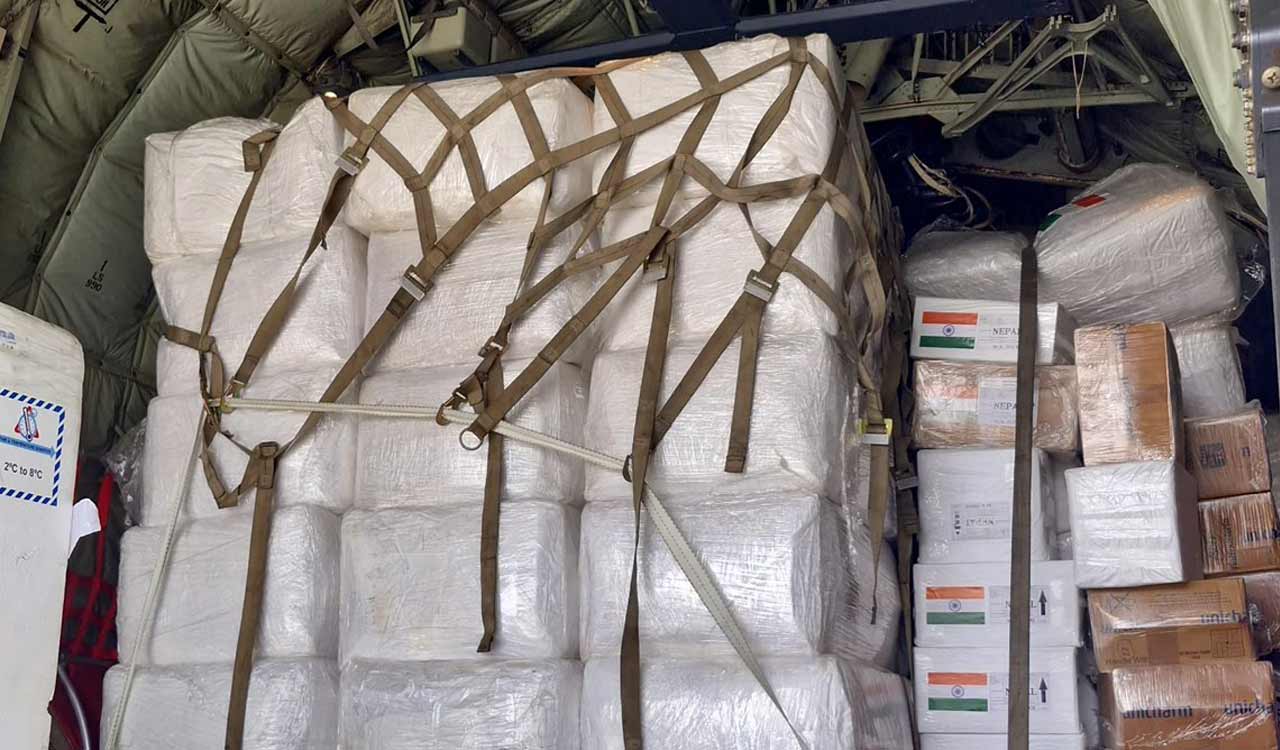
India has also provided 68.5 tonnes of relief materials and sent technical teams, forensic experts and equipment to assist in search and rescue operations, according to the Indian embassy.
The disaster is believed to have been triggered by a collapse or avalanche of ice and rock in the Himalayan region near the Nepal-Tibet border.

Related News