New Gaza ceasefire deal on table – will this time be different?
Donald Trump announced Israel's agreement to a 60-day Gaza ceasefire proposal mediated by Qatar, involving hostage exchanges and talks on post-war governance. While similar deals have failed, shifting regional dynamics and U.S. leverage may create a new opportunity for peace


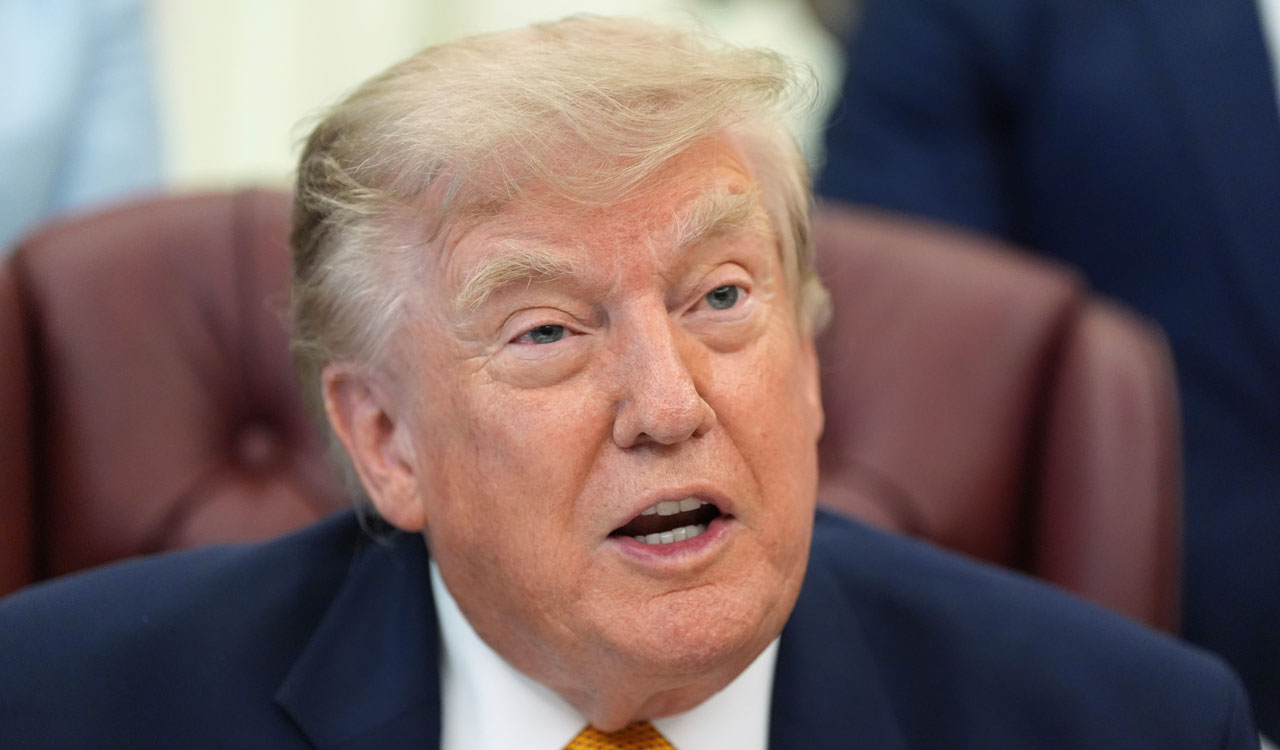
The US president, Donald Trump, says that Israel has agreed to terms for a 60-day ceasefire in Gaza. If that sounds familiar, it is.
The idea of a two-month truce has been discussed since the collapse of the last shortlived ceasefire in March. A similar proposal was floated in May, but Hamas viewed it as an enabling mechanism for Israel to continue the war after a brief pause, rather than reaching a permanent peace deal.
As the devastation in Gaza worsens by the day, will this time be any different? The proposal, put forward by Qatari mediators, reportedly involves Hamas releasing ten living hostages and the bodies of 18 deceased hostages over the 60-day period, in exchange for the release of a number of Palestinian prisoners.
The remaining 22 hostages would be released if a long-term deal is reached. The 60-day ceasefire period would also involve negotiations for a permanent end to hostilities and a roadmap for post-war governance in Gaza.
But the plan is similar to the eight-week, three-phase ceasefire from January to March of this year, which collapsed after the first phase of hostage exchanges. Since then peace talks have hit a recurrent impasse.
For Hamas, a long-term ceasefire means the permanent end to the war and the withdrawal of Israeli forces from Gaza. Israel, meanwhile, wants to see the complete removal of Hamas from power, the dismantling and disarming of its military wing and the exile of remaining senior Hamas leaders.
But despite the persistent challenges, there are several reasons that this attempt for a ceasefire might be different. First and foremost is the recent so-called “12-day war” between Israel and Iran, which Israel has trumpeted as a major success for degrading Iran’s nuclear capabilities (although the reality is more nuanced).
The perceived win gives Israel’s prime minister, Benjamin Netanyahu, political maneuverability to pursue a ceasefire over the objections of far-right hardliners in his coalition who have threatened to bring down the government in previous rounds.
The Iran-Israel war, in which the US controversially carried out strikes on Iran’s nuclear sites, also revived Trump’s interest in the Middle East. Trump entered office just as the phased Gaza ceasefire deal was being agreed. But Trump put little diplomatic pressure on Israel to engage in serious talks to get from the first phase of the agreement to phase two, allowing the war to resume in March.
Now however, after assisting Israel militarily in Iran, Trump has significant leverage he can use with Netanyahu. He will have the chance to use it (if he chooses) when Netanyahu visits Washington next week.
Both men also view Iran’s weakened position as an opportunity for expanding the Abraham accords. This was the set of agreements normalising relations between Israel and several Arab states, including the United Arab Emirates, Bahrain, Sudan and Morocco, which Trump brokered at the end of his first term.
Netanyahu has long eyed a US-backed deal with Saudi Arabia, and a smaller-scale declaration with Syria is reportedly now under discussion as well. But those deals can’t move forward while the war in Gaza is going.
Additional obstacles
However, the recurrent obstacles to a deal remain – and it’s unclear if the proposed terms will include guarantees to prevent Israel resuming the war after the 60-day period.
New issues have also arisen since the last round of talks that could create further challenges. Hamas is demanding a return to traditional humanitarian aid distribution in Gaza – or at least the replacement of the controversial US and Israeli-backed Gaza Humanitarian Foundation (GHF).
The GHF’s four distribution sites, located in militarised zones, replaced over 400 previously operating aid points, and more than 400 people have been killed while seeking aid near the sites, since May 26. More than 170 international non-governmental organisations and charities have called for the GHF to be shut down.
Israel’s military control over Gaza has also become further entrenched since the last ceasefire. More than 80 per cent is thought to be covered by evacuation orders – and new orders for north Gaza and Gaza City were issued on June 29 and July 2 respectively.
Israeli officials have described the renewed operations as military pressure on Hamas to accept a ceasefire. But Netanyahu has also spoken openly about long-term military occupation of Gaza.
He recently stated that Israel would remain in “full security control of Gaza” even after the war. Even if a temporary ceasefire is agreed, the road ahead is strewn with difficulties in moving towards a long-lasting ceasefire or reaching an acceptable “day-after” agreement.
Still, the current moment offers an opportunity for a breakthrough. Trump has a renewed interest in getting to a ceasefire and Netanyahu has a rare political window to enter an agreement and get hostages home.
Hamas, meanwhile, has been weakened, not only by Israel’s relentless military pounding, but by increasing disillusionment from the people of Gaza, who are desperate for an end to the war.
There is no shortage of reasons to end the war in Gaza. The only question is if Israel and Hamas have the will to do so.

Related News