New reed snake species identified in Mizoram
Scientists from Mizoram and international collaborators have discovered a new non-venomous reed snake species, *Calamaria mizoramensis*, endemic to the state. Published in *Zootaxa*, the finding corrects a long-standing misidentification and highlights Northeast India’s rich but underexplored biodiversity
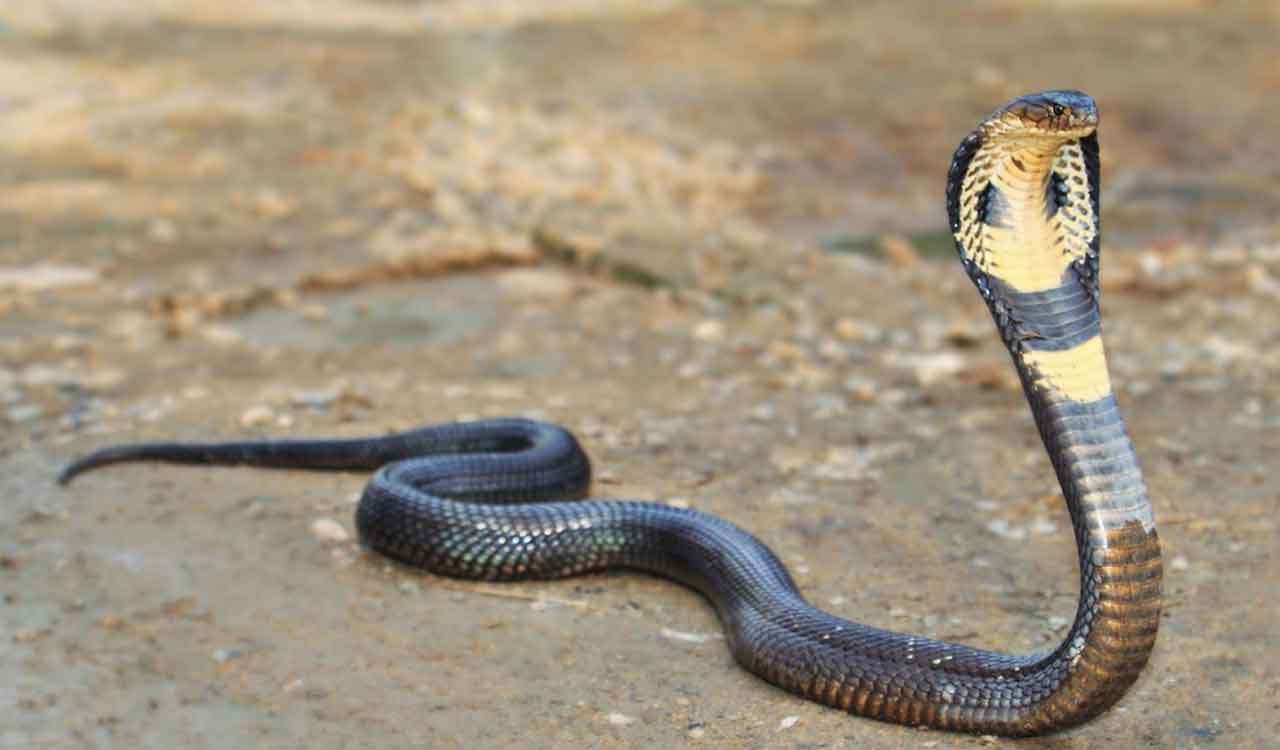


Aizawl: A team of scientists from Mizoram, in collaboration with researchers from Russia, Germany and Vietnam, has identified a new species of reed snake from the state, correcting a long-standing taxonomic misidentification and adding a previously unknown species to India’s reptile fauna.
The new species has been named Calamaria Mizoramensis, after the state where it was discovered, said HT Lalremsanga, a professor at the Mizoram University’s Zoology Department and the lead of the research team.
The findings were published in the international scientific journal Zootaxa on Monday, based on detailed morphological examinations and DNA analysis, he said.
According to Lalremsanga, specimens of the snake were first collected in Mizoram in 2008, but were earlier considered part of a widely distributed Southeast Asian species.
The new study establishes that the Mizoram population represents a distinct evolutionary lineage unique to the state, he said.
The research team analysed specimens collected over more than a decade from forested areas in and around Aizawl, Reiek, Sihphir and Sawlêng, as well as parts of Mamit and Kolasib districts, he added.
Lalremsanga said genetic comparisons revealed that the Mizoram reed snake differs by over 15 per cent from its closest known relatives, a level of divergence considered sufficient to recognise a new species.
The species is currently confirmed only from Mizoram, though its presence in neighbouring regions cannot be ruled out, he said.
“Its occurrence in other parts of India remains unverified, but it is likely to be present in adjoining states such as Manipur, Nagaland and Assam. A possible extension into the Chittagong region of Bangladesh also requires further confirmation,” noted the study.
The genus Calamaria comprises 69 recognised species globally, most of which are small, secretive and poorly studied. The newly identified Mizoram species is non-venomous and poses no threat to humans.
Described as nocturnal and semi-fossorial, the snake inhabits humid, forested hill environments and has been recorded at elevations ranging from 670 to 1,295 metres above sea level, including areas close to human settlements such as the Mizoram University campus, the study noted.
Based on available data, the researchers have tentatively assessed the species as ‘Least Concern’ under the IUCN Red List criteria, citing its presence across multiple localities and the absence of major identified anthropogenic threats.
In addition, the study presents an updated checklist of Mizoram’s herpetofauna, documenting 169 species, including 52 amphibians and 117 reptiles.
The researchers said the discovery highlights the need for continued biological surveys in Northeast India, particularly in forested hill regions where many species remain poorly documented.

Related News