One-year extension to learn Marathi removes livelihood threat, say taxi, auto unions
Maharashtra’s autorickshaw and taxi unions welcomed the government’s decision to give non-Marathi drivers another year to acquire working knowledge of Marathi. The extension eases immediate livelihood concerns, while unions plan additional classes to help drivers meet the language requirement
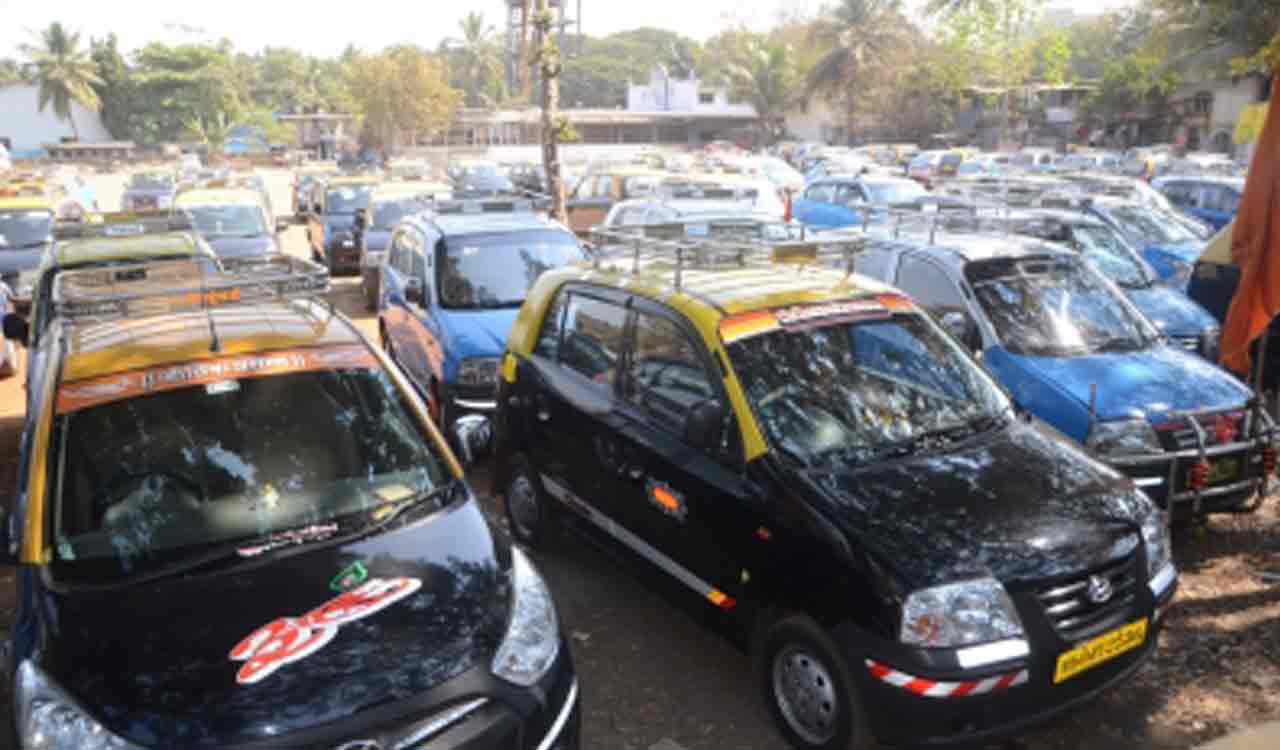


Mumbai: Autorickshaw and taxi unions on Friday welcomed the Maharashtra government’s decision to grant them a year to acquire working knowledge of Marathi, saying the extension removes the immediate threat to their livelihoods.
Chief Minister Devendra Fadnavis announced the timeline extension after a delegation met him at the Sahyadri Guest House on Thursday, halting immediate action against non-Marathi drivers and giving them more time to learn the language.
Notably, the announcement came a day after Deputy Chief Minister Eknath Shinde handed certificates to around 20,000 autorickshaw and taxi drivers who had completed a language course in Mumbai.
The BJP-led state government had announced in April that non-Marathi drivers must learn basic Marathi, and set a deadline of August 15 while organising Marathi classes for them.
Prem Singh, leader of the Mumbai Taximen’s Association, said the one-year extension would give taxi drivers sufficient time to acquire working knowledge of Marathi.
He said many taxi drivers were over 60 years of age and found it difficult to learn the language within a short period, although several of them already understood Marathi well.
“Now that they know it is mandatory, they will acquire the required skill within a year. As a union, we will also make arrangements to help drivers learn the language,” Singh said.
Hailing the extended deadline, DM Gosavi, leader of the Seva Sarathi Taxi Rickshaw Transport Union, said drivers are happy that they will not lose their livelihood for now.
“Our members are quite happy and satisfied with the decision. We have already started classrooms to teach Marathi, and the additional time will help more drivers learn the language,” he said.
A retired transport department official said the issue appeared to have been taken up largely for political reasons without adequately considering the ground realities.
“The biggest issue is that while amending the rules earlier this month, the Maharashtra government did not clearly define what constitutes working knowledge of Marathi. This leaves scope for drivers to be financially exploited,” he said.
A senior RTO official said the flying squads had been fully engaged in the month-long enforcement drive launched in recent days, and their workload would have increased further after the deadline, as notices had already been issued to hundreds of drivers.
“While deciding to postpone the decision to make Marathi mandatory for one year, the chief minister has said that no action will be taken against any rickshaw taxi driver. Otherwise, our officers would have spent the next four-five months handling these cases alone,” he said, requesting anonymity.

Related News