Opinion: Houthis’ rising threat
A stark reminder to the world of how intertwined the Middle Eastern crisis has become in recent years


By Shifa Moideen Paruthikunnan, Dr Karamala Areesh Kumar
Every region of the world, particularly the Middle East, has been alarmed by the increase in bloodshed between Israel and Hamas in Gaza. This has been reverberating well beyond the local boundaries. The Houthi rebels, who operate out of Yemen, are posing a growing threat to the Red Sea. This is one of the most critical developments in the situation. These dangers demonstrate the intricacy of the rivalry in this area and the interdependence of the Middle East’s conflicts.
The Red Sea, a maritime corridor and one of the most significant commercial routes in the world, is at the centre of the problem. The Suez Canal links the Mediterranean and Indian Oceans and is crucial for the movement of commercial ships, military ships and oil tankers. About 10% of the world’s trade goes through the strategically important Bab-el-Mandeb Strait, near the southern extremity of the Red Sea. The global economy suffers significantly from failures in this area, particularly regarding energy sources.
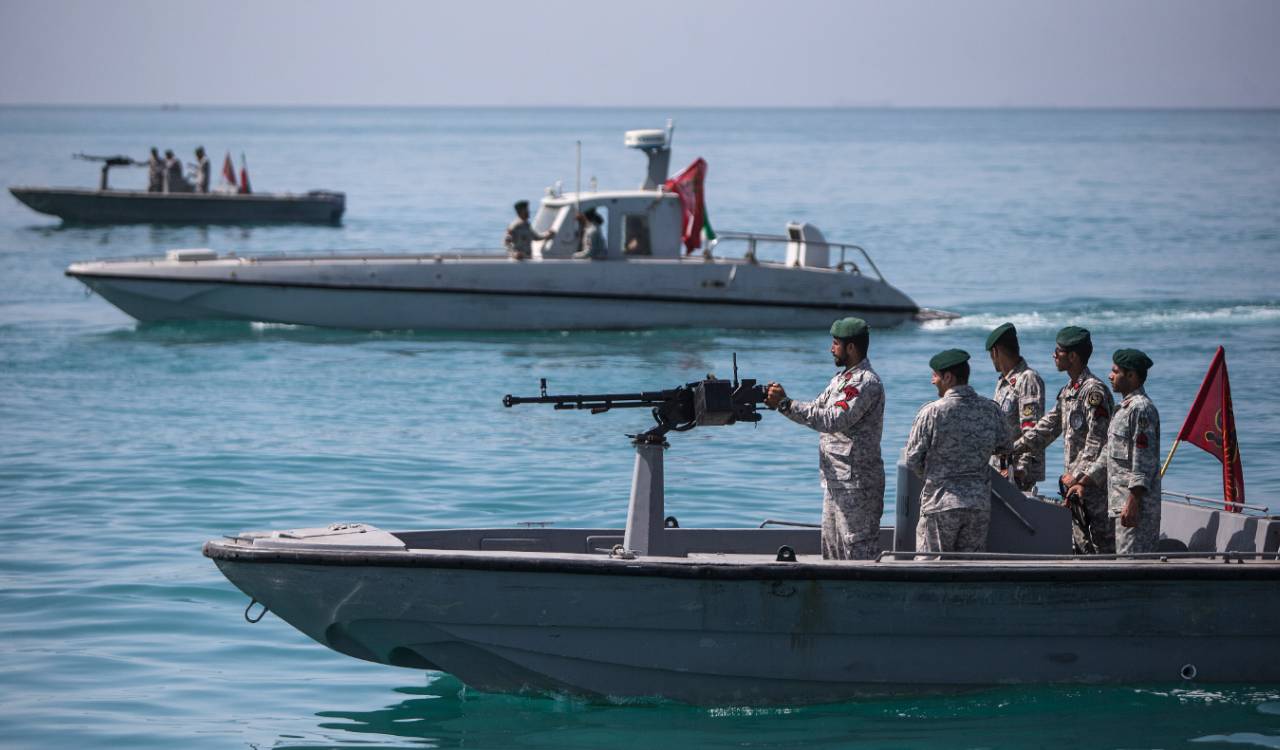
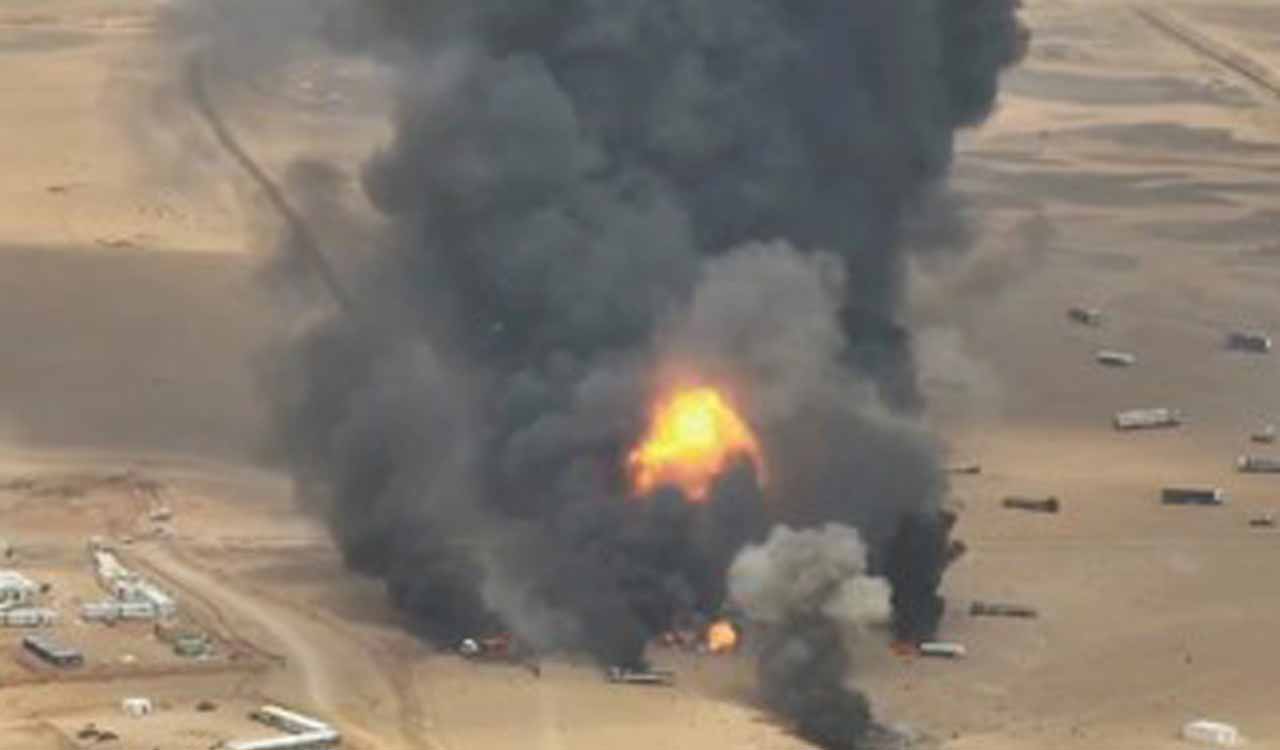
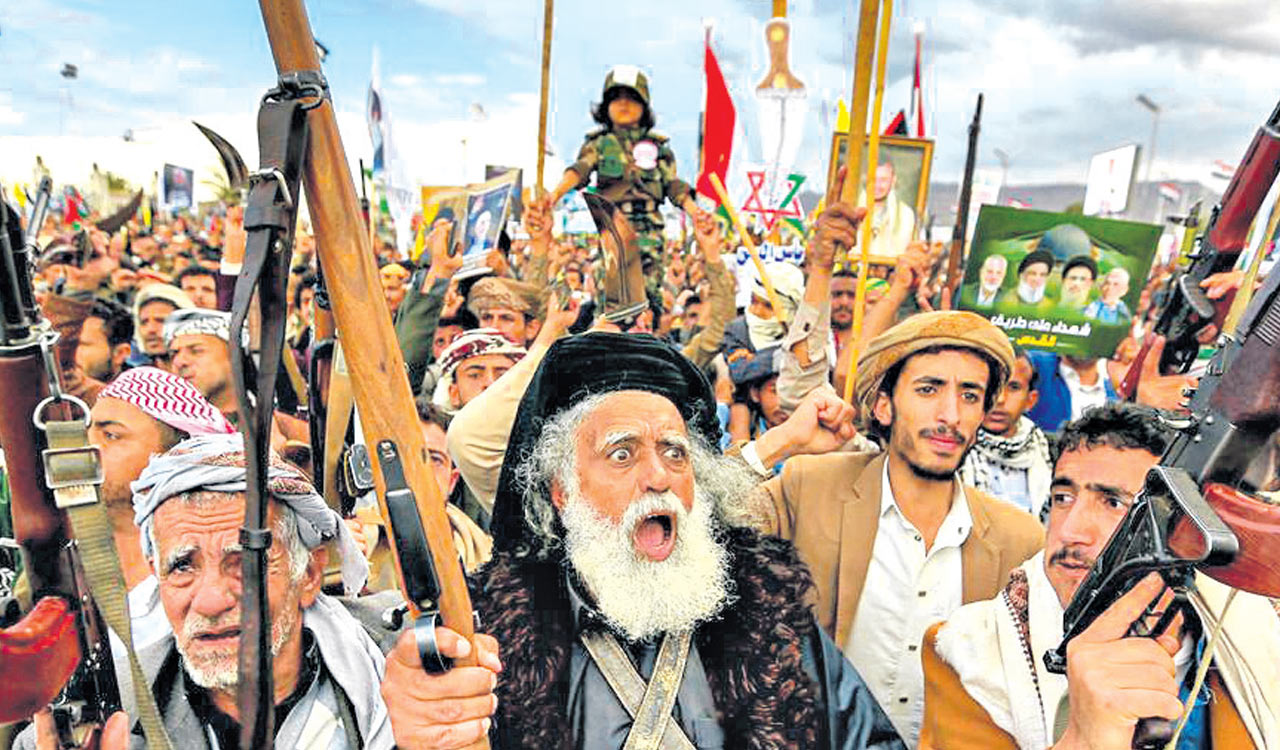
The Houthis have threatened the Red Sea for a long time. Sources claim they have substantial influence over parts of Northern Yemen and are supported by Iran. They may now reach the Red Sea’s southern coast thanks to this. The Houthis have used a variety of strategies, such as sea mines, explosive drone strikes and missile attacks, to impede shipping in the area. Major international powers, such as the United Nations and European countries, have expressed concern and responded by increasing naval patrols and security measures.
Axis of Resistance
Their latest threats are not isolated occurrences. They belong to the so-called ‘Axis of Resistance,’ representing a broader alignment. This is an unofficial coalition of Iranian-backed organisations, such as Hamas in Gaza and Hezbollah in Lebanon. Rejecting Western influence and opposing the Israeli military’s presence in the area are the shared objectives of this partnership.
The Houthis have connected their conduct to the Arabs and Islamic sympathy with Gaza when we examine the Israel-Hamas conflict environment. They cite opposition to Israel’s actions in Gaza as the primary cause of these risks to ships in the Red Sea. This demonstrates how regional actors are aligning themselves against Israel and its allies and using the crisis as a platform to accomplish their geopolitical objectives.
Global Trade and Security Concerns
The Houthis can impede international trade. Any disruption of Red Sea shipping lanes may significantly impact the global economy. For example, their warnings significantly decreased the capacity of container ships operating in the Red Sea in the middle of 2024. According to some sources, the reduction was as high as 60%.
Due to this detrimental impact on the global economy, the international community took action. To protect the Red Sea commercial channels, the United States and a coalition of about 20 other nations initiated Operation Prosperity Guardian. This international endeavour demonstrates how crucial protecting this important marine route is. However, it is challenging to secure such a large body of water completely.
Broader Regional Dynamics
Sources claim that Iran’s assistance to the Houthis is at the heart of this problem. The gang has received financial backing, training and weaponry from Tehran. To put pressure on its regional rivals, especially Saudi Arabia and Israel, Iran is using the Houthis as a stand-in. By utilising the Houthis’ position to threaten Saudi Arabia’s borders and obstruct the Red Sea’s commercial routes, Iran can show its dominance without actually participating in any military confrontation.
By using Houthis, Iran can show its dominance without actually participating in any military confrontation
The link between Iran and the Houthis is further evident when taking into account Iran’s role in the Israel-Hamas war. Tehran has consistently been a major backer of Hamas, giving them financial and military backing. Iran took advantage of the growing bloodshed in Gaza to mobilise its regional friends, particularly the Houthis, to put pressure on Israel and its Western backers.
Yemen’s Response
Yemenis are expressing more and more dissatisfaction with the Houthi movement, claiming that they are focusing more on military actions and political manoeuvres than on the urgent requirements of the population in Yemen. A lot of people view the Houthis using the Israel-Palestine conflict as a way to divert attention from Yemen’s severe economic and humanitarian problems. While the group presents its activities in the Red Sea area and beyond as a mere show of support for Palestine, opponents claim that this language is a way to shift focus away from their incompetence domestically.
It has been reported that the Houthis control all military resources, enforce high taxes on companies and individuals, and neglect crucial public services such as payment of government salaries and economic stabilisation. More than 70% of the people in Yemen are living in poverty, which has been made worse by mismanagement by the Houthi group and the continuous conflict. Many Yemenis see the exploitation of the Palestinian cause as opportunistic, prioritising the growth of their regional power over addressing their internal duties. Also, their forceful initiatives in the Red Sea could lead to Yemen becoming even more economically isolated, worsening the plight of its struggling population.
The international community has responded quickly to the Houthis’ conduct, widely denouncing their interference with freedom of navigation. The infrastructure utilised in these attacks was the subject of several military strikes by the United States and the United Kingdom against their missile sites in Yemen. With the United Nations adopting a resolution denouncing the Houthis’ actions and urging an end to bloodshed, diplomatic efforts have also risen.
Unfortunately, the more significant geopolitical dynamics — especially the involvement of China and Russia — have made it difficult to enforce these regulations. Because they are afraid of tensions rising, both countries have been hesitant to back any aggressive measures against Iran and its proxies. This is making it challenging to carry out a well-coordinated international response.
Ripple Effects
The threats posed by the Houthis in the Red Sea serve as a stark reminder to the world of how intertwined the Middle Eastern crises have become in recent years. Their current threats are motivated by broader regional factors, even though their actions are anchored in the continuing civil conflict in Yemen, particularly the competition between Iran and its enemies, such as Israel and Saudi Arabia. These tensions have only been heightened by the Israel-Hamas conflict. As a result, the Houthis were drawn into a more significant conflict in the area.
Striking a balance between military action and diplomatic measures to address the root causes of these crises is the major problem facing the international community. Long-term solutions to the Middle East crises will be necessary, in addition to heightened security measures, to ensure the free flow of global trade while protecting the Red Sea. Houthis will continue their operations to influence the security environment in the area as the scenario develops.

(Shifa Moideen Paruthikunnan is Scholar and Dr Karamala Areesh Kumar is Head, Department of International Relations, Peace and Public Policy, St Joseph’s University, Bengaluru)

Related News