
Orthopedic vs Regular Mattress: What Is the Difference?
A regular mattress is built for comfort, but an orthopedic mattress is built for comfort and support. Which one you need depends on your back, your body, and how you sleep. In this article, we will understand the difference between the two in detail.
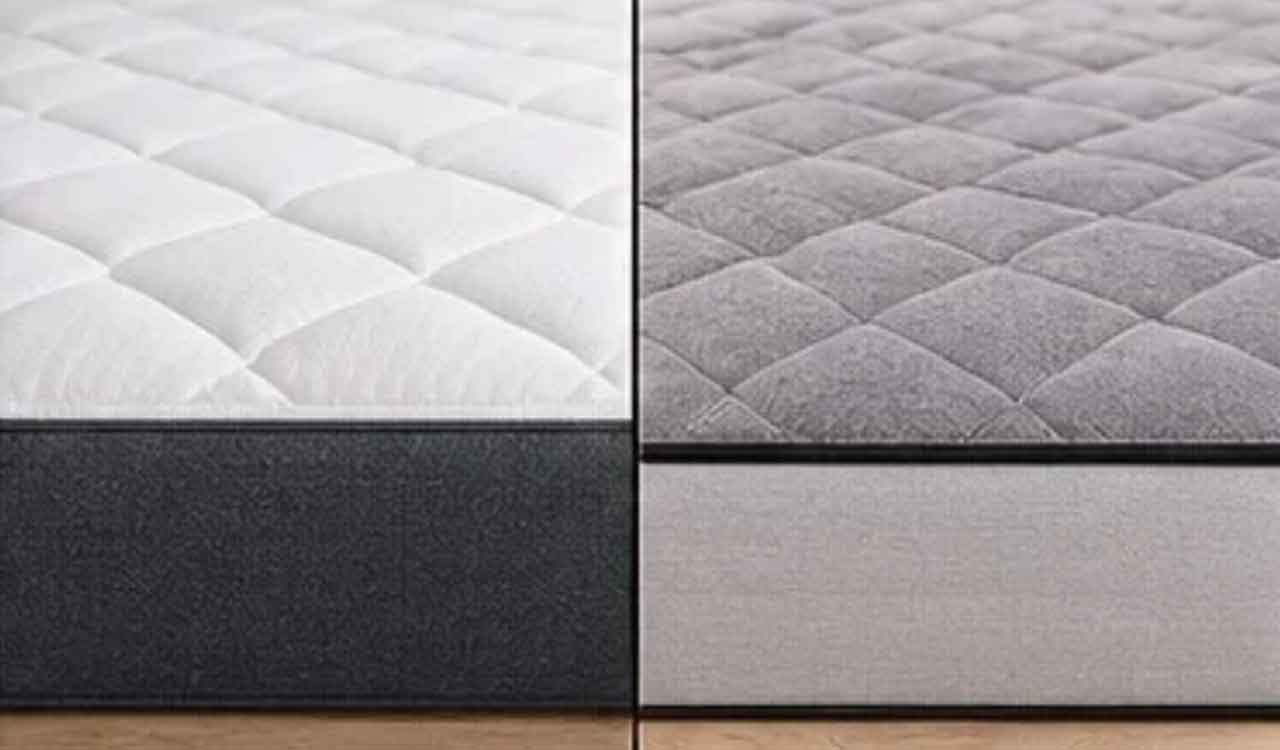


Walk into any mattress store, and you will see two distinct types of mattresses: regular and orthopedic. Many buyers assume they are the same thing with a different price tag. They are not, and picking the wrong one is one of the most common reasons people end up with a sore back and a mattress they regret.
A regular mattress is built for comfort, but an orthopedic mattress is built for comfort and support. Which one you need depends on your back, your body, and how you sleep. In this article, we will understand the difference between the two in detail.
Regular Mattress: Comfort for Everyday Sleepers
A regular mattress is designed to feel nice when you lie down. It suits a wide range of people and comes in soft, medium and firm options. It is also easier on the budget, which is why it is a popular pick for guest rooms and first homes.
Where a regular mattress falls short is long-term support. Many are made with lighter materials that soften over time, so the mattress that felt perfect in the showroom can start to dip in the middle after a few years.
Recommendation: A regular mattress is a good choice if you are young, have no back or joint issues, and prefer a softer, cosier feel.
orthopedic Mattress: Comfort With Built-In Back Support
An orthopedic mattress is designed with one goal in mind: keeping your spine in a natural, relaxed line all night. It uses a sturdier support base that does not sag under your weight, topped with cushioning that eases pressure on your shoulders and hips.
The result is a bed that holds you up instead of letting you sink. Your back muscles relax, you turn less in the night, and you wake up feeling loose. The best orthopedic mattresses also hold their shape for longer, so the support you feel on day one is still there years later.
Our recommendation: An orthopedic mattress is the better buy for anyone with back pain, joint stiffness, or a desk job that leaves the back tired by evening.
Orthopedic v/s Regular Mattress: What Is the Difference?
Let’s understand the difference between a regular and orthopedic mattress in detail:
| Point of Difference | Regular Mattress | orthopedic Mattress |
| Main purpose | Built for everyday comfort and a pleasant feel when you lie down | Built for comfort plus proper support for your spine, joints and muscles |
| How it is made | Standard foam, springs, or coir layers designed for general use | A sturdier support base with a cushioning comfort layer on top |
| How it feels | Ranges from soft to medium, often plush on first touch | Medium-firm, supportive without feeling hard |
| Back support | Basic support that suits people with no back issues | Designed to hold your spine in its natural line through the night |
| Spinal alignment | Hips and shoulders can sink unevenly, especially on softer models | Keeps your shoulders, hips, and lower back level |
| Pressure relief | Cushions the body but can create pressure points as it softens | Spreads body weight evenly, so no single spot carries the load |
| Sagging over time | Can develop dips sooner with daily use | Resists sagging and holds its shape for longer |
| Morning feel | Comfortable for healthy sleepers, though some may wake up stiff | Helps reduce morning stiffness for people with back discomfort |
| Sleeping position | Works well for side sleepers who like a softer feel | Suits back and stomach sleepers, and side sleepers who need support |
| Body weight | Better suited to lighter and average body weights | Supports average to heavier body weights without sinking |
| Best for | Young, active sleepers with no back or joint concerns, guest rooms | People with back pain, joint stiffness, long desk hours, or injury recovery |
| Price | Lower, budget-friendly | Slightly higher, a worthwhile investment for long-term back health |
Who Should Choose an Orthopedic Mattress?
From what we see, these sleepers benefit the most from making the switch.
- People with regular back pain: Steady support takes the load off your lower back while you sleep.
- Anyone with stiff joints: Cushioning at the hips, knees, and shoulders makes it easier to get comfortable.
- People recovering from an injury: Good posture during sleep helps the body rest and recover.
- Heavier sleepers: A firmer base stops the mattress from sagging under your weight.
- Desk workers: If you sit for long hours, your back deserves proper support at night.
If you share your bed and you both like different feels, look for a dual-comfort orthopedic mattress with a softer side and a firmer side. It is one of the smartest features on the market for couples.
When a Regular Mattress Is Enough
Not everyone needs an orthopedic mattress. If you sleep well, wake up pain-free, and simply want to replace an old bed, a good-quality regular mattress will serve you well. The key is to buy from a trusted mattress brand, so it keeps its comfort for years.
Conclusion
The real difference between the two comes down to purpose. A regular mattress gives you comfort. An orthopedic mattress gives you comfort and a back that thanks you in the morning. If your back has been complaining, spend a little more and go orthopedic. It is the upgrade sleep experts recommend most often, and the one buyer rarely regrets.
Whichever you choose, pick a brand that offers a home trial and a long warranty, so you can test it in your own bed before you commit.
FAQs
Can a normal person sleep on an orthopedic mattress?
Yes. You do not need back pain to enjoy an orthopedic mattress. Many healthy sleepers choose one because it keeps the spine supported and holds its shape longer. Just pick a firmness that feels comfortable for your body and sleeping position.
Which mattress is not good for back pain?
A mattress that is too soft or too hard. A very soft mattress lets your hips sink and strains your lower back. A very hard one presses into your shoulders and hips. For back pain, sleep experts recommend a medium-firm orthopedic mattress.

