People spoken to, not merely spoken at: CJI Surya Kant on effective legal aid
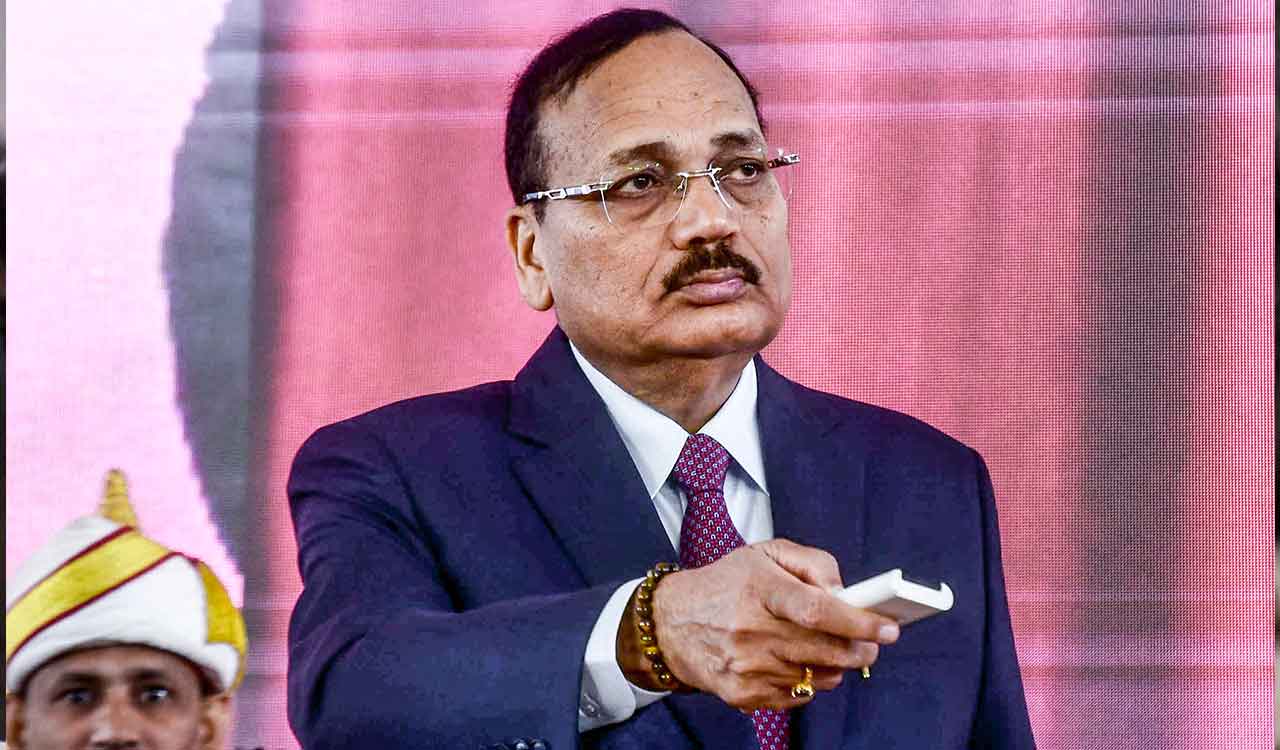
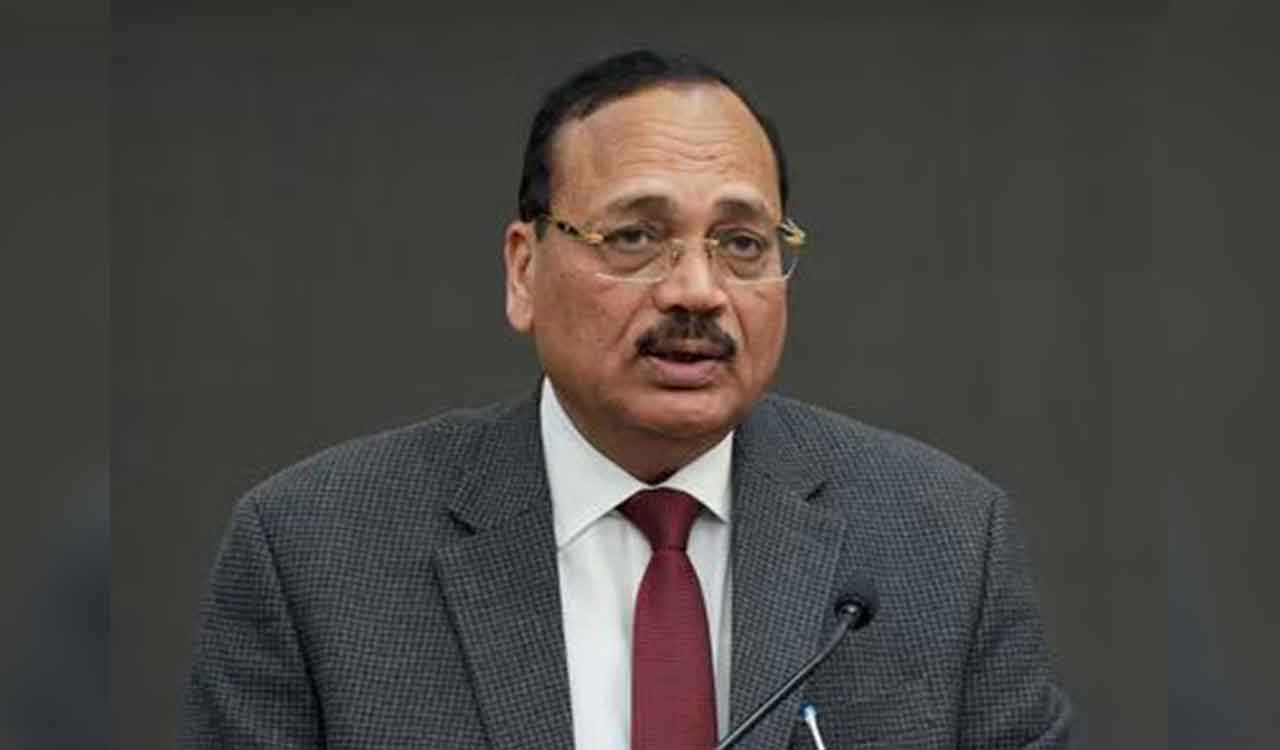
Chief Justice of India Surya Kant on Saturday stressed that effective legal aid must prioritise dialogue, dignity and inclusion, ensuring people are heard and treated respectfully. He also said court backlogs have declined significantly, with technology-driven measures helping speed up case disposal
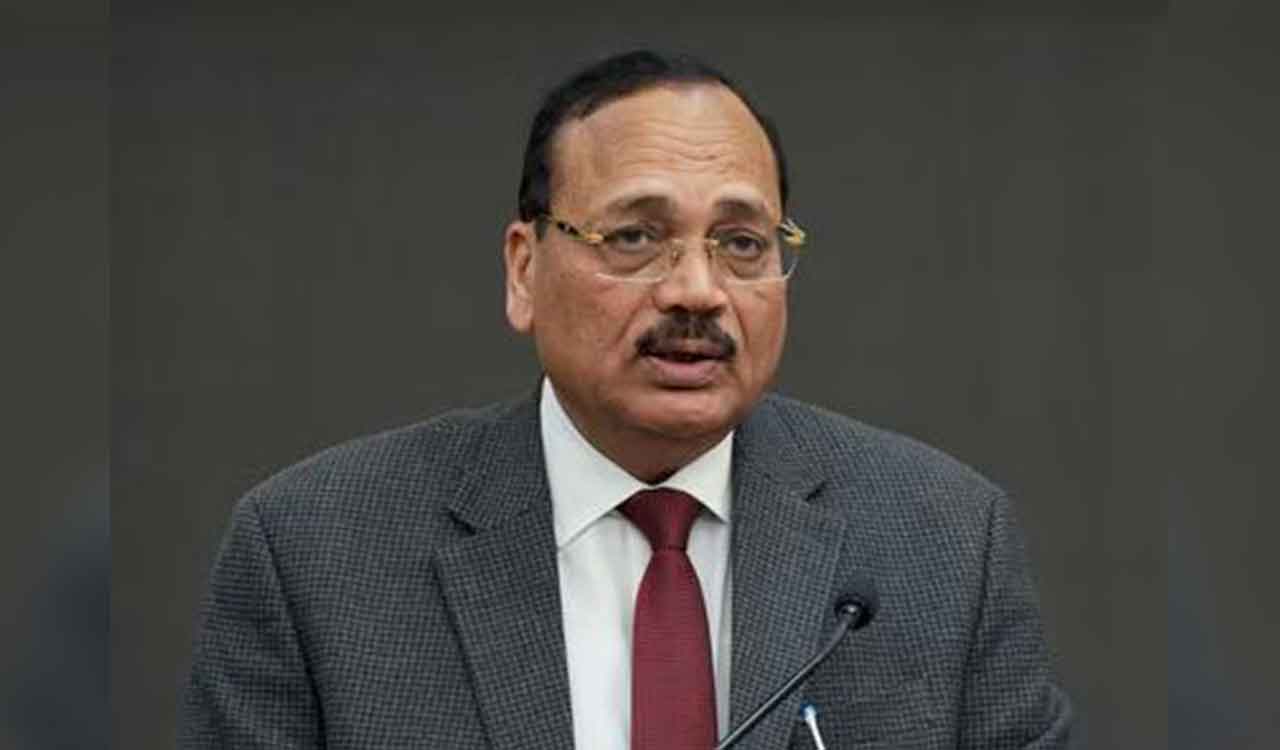


Indore: Dialogue, dignity and inclusion are essential for effective access to justice, and a true legal aid means “people spoken to and not merely spoken at”, Chief Justice of India Surya Kant said on Saturday. Speaking to reporters after a programme here, he also stated that the backlog of cases in the country has decreased significantly over the last decade.
Addressing the Western Zone Regional Conference of the National Legal Services Authority (NALSA), he said that the objective of legal aid is not merely to dispose of cases, but also to ensure respectful treatment of individuals. Access to justice begins with dialogue, the CJI said, stressing that appropriate legal solutions should be provided to people based on their specific problems.
The grievances of different communities should be heard in their own languages, he said. Describing the volunteers associated with legal services authorities as part of a “judicial army,” the CJI said they play a crucial role in taking government schemes to the grassroots level.
He urged the volunteers to assist victims in securing justice in a manner that upholds dignity and inclusivity. “Dialogue, dignity and inclusion — I do not read these words as slogans for a banner. I read them as an accurate description of what legal aid looks like when it actually works: people spoken to and not merely spoken at, treated as citizens and not mere case numbers, and reached wherever they are, rather than expected to find their own way to us,” the CJI said.
Access to justice has never been built by laws alone, but it begins with a conversation, he further said. Every legal aid application starts with someone narrating a problem, every mediation begins with parties agreeing to listen, and a legal awareness programme succeeds only when institutions first understand the realities of the people they seek to serve, he said, adding that people must “feel heard” before justice is delivered.
Institutions certainly have a duty to inform citizens of their rights, but they must also remain willing to learn from the communities they serve, the CJI noted.
“The legal needs of a tribal family in Madhya Pradesh, a fisherman community in Goa, a migrant worker in Gujarat or a woman seeking legal assistance in Mumbai are unlikely to be identical. Our response, therefore, cannot be uniform. It must be rooted in local realities,” he said.
Paralegal volunteers, legal aid lawyers, judicial officers and civil society organisations each witness a different dimension, and bringing these experiences together enables the judicial system to design solutions that are “practical, responsive, and enduring,” the CJI said.
“A stronger tomorrow begins with a meaningful dialogue today. But dialogue can truly succeed only when it is accompanied by respect for the dignity of every individual,” he said. “A case may be resolved, but the sufferings of the victim and the hurt caused to their dignity and sentiments must also be considered,” he added.
Talking about the role played by paralegal volunteers associated with legal services authorities, the CJI said that just as nurses and doctors speak sensitively to a patient and give them hope for recovery, “the words of volunteers should instill confidence in people that they will receive justice.” Dignity is not always expressed through grand constitutional principles, but more often it is reflected in these small yet deeply meaningful acts of empathy and respect, he said.
Stressing the need for inclusion of underprivileged sections into the mainstream of society, CJI Surya Kant said, “The real test of an institution is not how well it serves those who are able to reach it, but how effectively it reaches those who never can.”
Union Law Minister Arjun Ram Meghwal and Madhya Pradesh Chief Minister Mohan Yadav, along with several judges from the Supreme Court and High Courts, were present at the inaugural session of the conference.
Later, talking to reporters, the CJI said that the backlog of court cases in the country is no longer what it was 10 or 20 years ago. There are many reasons for the backlog, and they are being dealt with in a systematic manner, the CJI said.
“We have developed numerous schemes for speedy disposal of cases through technology, and these have yielded very good results,” Surya Kant added. Asked about harassment cases filed by women ‘proving to be fake’ in many case, the CJI said no general statement can be made on this issue, and each case depends on its specific facts.
Replying to a query about the central government’s repeated return of names recommended by the Supreme Court Collegium for the appointment of judges, CJI Surya Kant said, “You will not talk about the Collegium here. This is a programme of the Legal Services Authority.”

Related News
-

CM Revanth Reddy directs officials to prepare Child Online Safety Framework
-
CJI Surya Kant calls for balancing AI-driven judicial transformation with constitutional values
-
CJI Surya Kant says judiciary will protect students’ right to peaceful protest
-
SC announces monthly lecture series on law, justice and legal education