Sindhu questions recovery time after playing three matches in 24 hours
PV Sindhu criticised the Asian Games badminton schedule after playing three singles matches within 24 hours. The two-time Olympic medallist said players needed more recovery time and also raised concerns over the absence of Hawk-Eye during her quarterfinal defeat
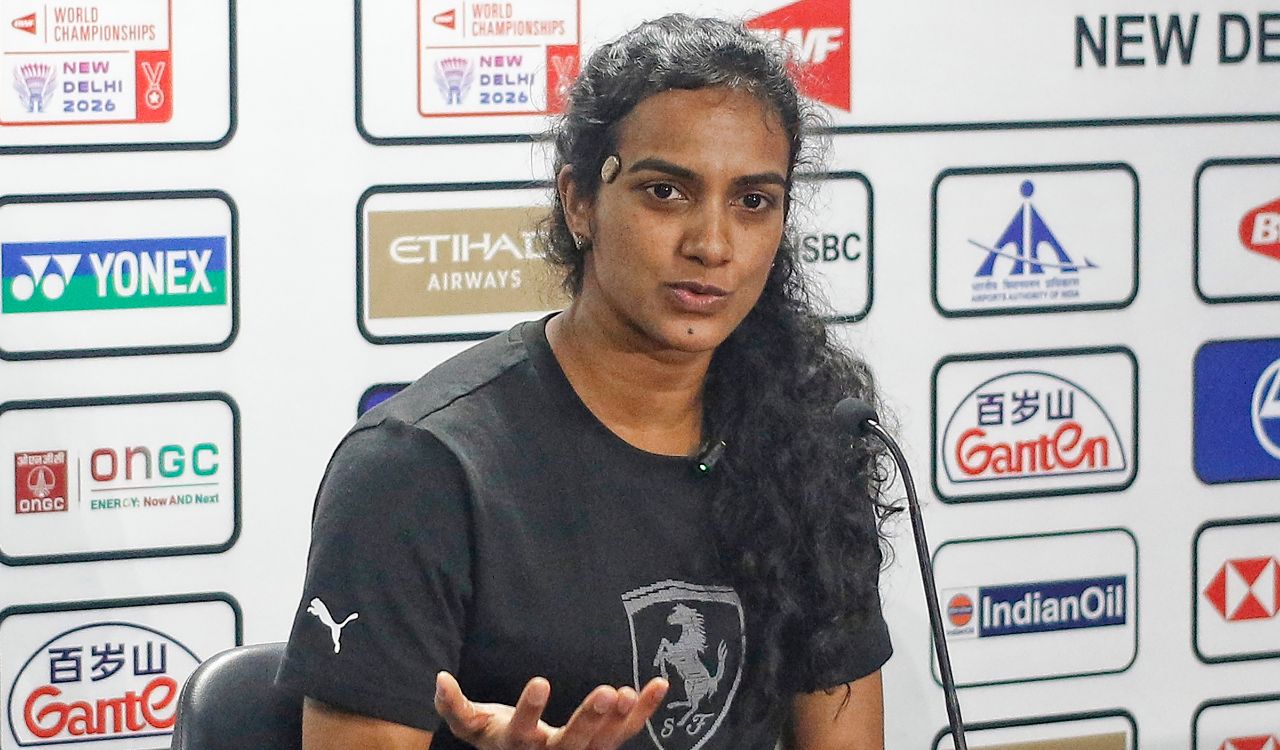


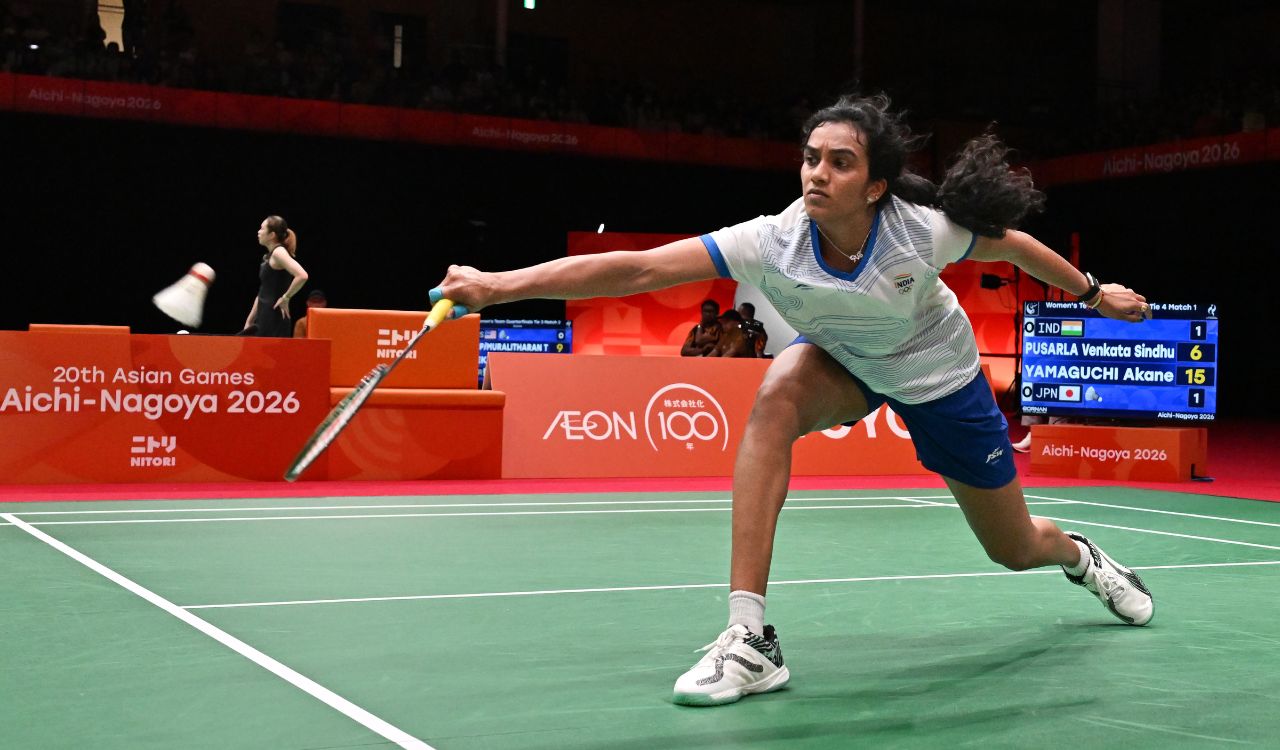
Nagoya: Ace Indian shuttler PV Sindhu on Sunday expressed her displeasure at playing three singles matches within 24 hours, saying the cramped badminton schedule at the Asian Games was “not really well organised” and did not provide enough recovery time.
Sindhu was scheduled to play two matches on Saturday, with her second match ending after midnight. She returned to the court on Sunday for her quarterfinal against China’s Chen Yufei, which she lost.
“Not really, because the scheduling was not really well organised is what I feel,” Sindhu said when asked if she had played two matches in a day at any major championship earlier.
“We literally slept really late and then came back in the morning (on Sunday), playing two matches in a day. Recovery is the most important priority.”
The two-time Olympic medallist played her second-round match on Saturday afternoon. Her third-round match ended around 1 am local time on Sunday, while her quarterfinal started around 1.30 pm.
Asked how she prepared herself mentally to play three matches in 24 hours, Sindhu said it was more about recovery than mental preparation.
“It’s more than mentally preparing, you need to recover. Even though you think you are doing good, physically you might not be able to go there or you might not be able to play,” she said.
“When there are long rallies, definitely, yes, recovery. When you have a good thing, you would automatically (go), but your legs don’t move.
“But I think apart from that it was a good game overall, but it’s just that the scheduling should have been a bit better.”
Another Indian shuttler, Unnati Hooda, was also unhappy with the scheduling, with several players having to play more than one match in a day.
“I will not blame my loss (in the quarterfinals) on that, but the scheduling could have been managed better,” Hooda said.
Sindhu also raised concerns over the absence of the Hawk-Eye review system on Court 4, where she played her quarterfinal. The system was available only on Courts 1 and 2 at the Ichinomiya Gymnasium Hall.
“There were no cameras here. That was really sad. I felt that two-three shots were on the line. In the quarterfinals in the Asian Games, there should have been a camera, is what I feel. Because these are the crucial matches,” she said.
Asked whether the line calls she felt went against her had unsettled her, Sindhu said the review system could provide an advantage to players.
“If you get that point, it is good. You have the upper hand. You are playing with the cameras, playing with reviews.
“We can challenge it or if that’s your point, you have a one-point advantage. Sometimes an opponent is not able to move and the shuttle falls there and the line judge gives out. And you challenge, you get a point.
“So it’s an advantage in a way. In the second game, I felt two-three shots were clear. But the line judge, you can’t do anything about it.”
Sindhu keeps 2030 Asian Games participation open
Sindhu kept her participation in the 2030 Asian Games open, saying she would take her career “one year at a time” and focus on remaining injury-free.
“If I have it in me, definitely yes. I just need to stay injury-free. It’s just, what’s next? That’s very important. Step-by-step is important.
“Yeah, definitely one year at a time. It’s important that I just focus on what’s next. Because you’re not 20 anymore, right? You need to take care of your body, take care of everything. So it’s very important.
“We’ll have to pick and choose tournaments. What to do, what to play and what not to play. Because taking care of your body is also important,” said Sindhu, who is expected to compete in the European circuit later this year.
Asked what keeps her motivated, Sindhu said her passion and love for the sport continued to drive her.
“I have it in me, the passion and the love towards sport. That keeps me going irrespective of how many medals I’ve got. I think that’s important.
“At the end of the day, you need to love playing sport. That passion towards the sport keeps you going. And that’s the only thing. If you don’t have that passion, if you don’t feel like going, you can’t. So I still know that I have it in me. I can do it and I’m enjoying it.”

Related News