Six months on, Iran war changed West Asia, but not how its architects hoped
Six months after US-Israeli attacks on Iran, Tehran has survived military strikes and strengthened its leverage over the Strait of Hormuz. Gulf states are questioning US security guarantees, while Israel faces growing international isolation and worsening prospects for Saudi normalisation


Dubai: It’s been six months since the United States and Israel attacked Iran with the perennial goal of transforming the Middle East through military force. The region has changed, but not in the way they had hoped.
The Islamic Republic survived the assassination of its top leaders and weeks of heavy bombing, and found a potent form of leverage in the Strait of Hormuz. Gulf Arab nations saw worrying gaps open up in the American security umbrella they have relied on for decades — and some are looking at alternatives.
Israel has once again thrashed its enemies without defeating them, and after nearly three years of war in Gaza and new land seizures, is at risk of a generational rupture with the US, its closest ally. Hopes of normalising relations with Saudi Arabia — another enduring US and Israeli aspiration — have dimmed even further.
When they attacked Iran on February 28, the US and Israel hoped to topple its clerical leadership and replace it with a pro-Western government. Instead, they’ve ended up with a “hardened and very radical regime,” said Barbara Leaf, a former ambassador who served as assistant secretary of state for the Middle East in the Biden administration.
“That is going to be exceptionally difficult to deal with, to say the least,” she said. Iran’s “confidence has grown over the months that it cannot only survive, but it can prevail, it can reset the regional landscape.”
Iran was on the ropes before the attack
In the runup to the war, the Islamic Republic appeared more vulnerable than at any point since Saddam Hussein’s Iraq invaded in 1980.
Iran’s currency had cratered, setting off some of the biggest anti-government protests in its history, which were brutally suppressed in January, with thousands killed. Israel and the US had pounded its military and nuclear sites during a 12-day war the previous summer, and its militant allies had been throttled in the wars that followed Hamas’ October 7, 2023, attack out of Gaza.
But the tide changed shortly after the initial US and Israeli strikes, as Iran’s leaders were quickly replaced and its people — sheltering from the war — ignored exhortations from the attackers to rise up again.
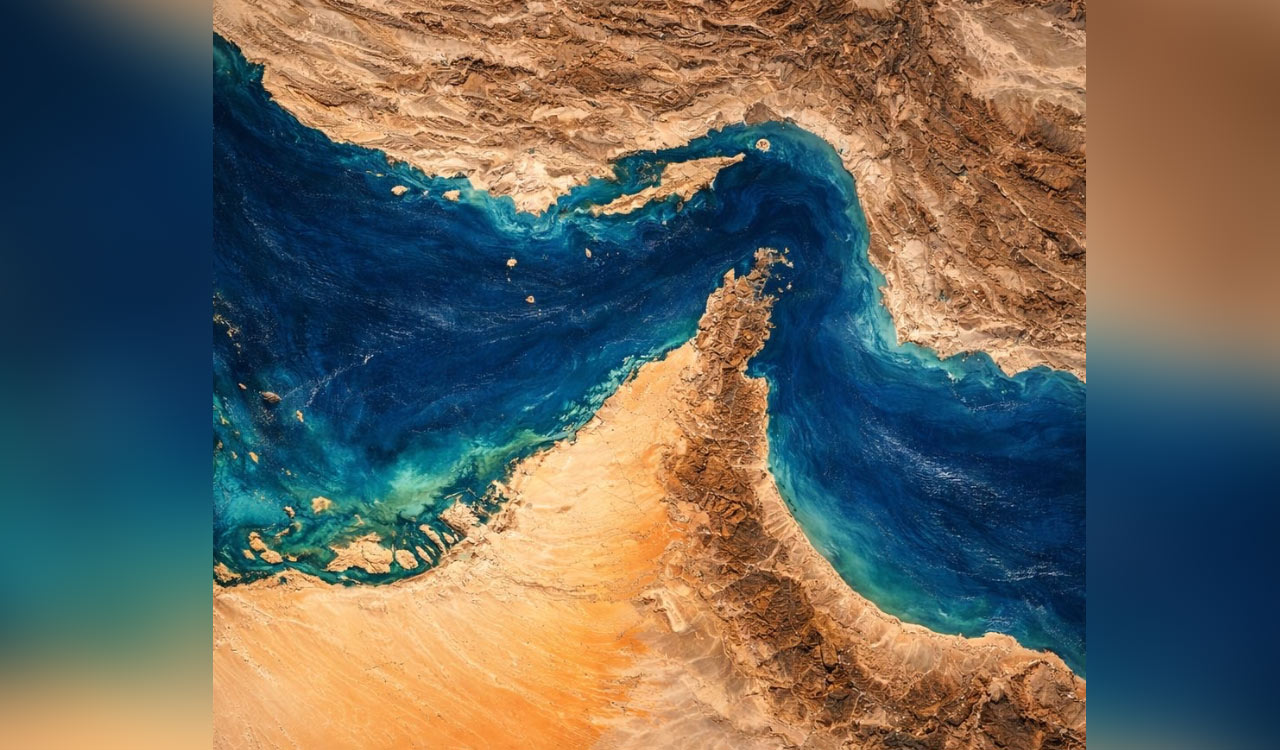
Iran effectively closed the Strait of Hormuz, a critical trade route for oil and gas, and attacked Gulf countries hosting US troops, rattling the global economy. US President Donald Trump agreed to a ceasefire in April and signed a deal with Iran in June, which crumbled weeks later.
Iran is now determined to exert permanent control over the strait, to use it to ward off future attacks and secure other concessions, while giving no ground on its disputed nuclear programme. It’s a risky gamble, especially as the US tightens its blockade and vows new sanctions on Iran’s already battered economy.
“Iran has demonstrated that Hormuz gives it significant leverage, but prolonged disruption also hurts its neighbours, China, and the global economy, while encouraging alternatives to the strait,” said Yoel Guzansky, an expert on Iran and the Gulf at Israel’s Institute for National Security Studies.
“Tehran’s danger is confusing its ability to survive with victory and demanding more than its leverage can deliver,” he said.
Gulf nations doubt US security guarantees
For decades, the US has been committed to protecting wealthy Gulf oil exporters from external aggression, using a sprawling network of bases across the region.
The arrangement helped secure global energy markets, deterred Saddam’s Iraq and later Iran, and contributed to the United Arab Emirates and other Gulf nations becoming havens of prosperity in a volatile region.
It’s been tested before, but never like this.
Iran retaliated against Israel, but it also trained its missiles and drones on Gulf nations that had hoped to stay out of the war. It struck US bases and critical energy infrastructure, stretching air defences and drawing down American supplies of sophisticated interceptors.
Iran responded to attacks on its civilian infrastructure by striking its neighbours’ desalination plants. That raised fears that a war begun without consultation with Gulf nations could lead to catastrophic attacks on their water and electricity.
“The fact that the war began without a clear political objective and against the advice of key regional partners, and that there has not been clear evidence of a Plan B once the initial attacks failed to dislodge the Iranian regime, is likely to undermine confidence in the US across the region and may take some time to repair,” said Kristian Coates Ulrichsen, a Gulf expert at Rice University’s Baker Institute for Public Policy.
Last month, Saudi Arabia entered into a new defence pact with Pakistan and Turkiye, an early indication that stalwart American allies might seek new security arrangements. Their options are limited, however.
“The dilemma facing Gulf states is there is no viable alternative to the full range of defence and security networks with the US,” Ulrichsen said.
Israel batters its enemies but risks losing its closest friend
Lebanon’s Iran-backed Hezbollah launched missiles into Israel days after the outbreak of the war, triggering heavy retaliatory airstrikes and another ground invasion. Israel has reoccupied large parts of southern Lebanon, adding to its wider seizure of territory following the October 7 attack.
Its many tactical victories have come at a mounting cost in international isolation. Israel has been widely accused of genocide in Gaza, and Prime Minister Benjamin Netanyahu has been indicted by the International Criminal Court for crimes against humanity, all of which Israel adamantly denies.
Of greater concern for Israel is its unprecedented erosion of support in the United States. That accelerated as some critics came to see it as having led the US into another Mideast war, something to which the Trump administration has at times lent credence.
As the war settled into a stalemate over the summer, outspoken critics of Israel won some key Democratic primaries across the United States and more than half of House Democrats voted to cut aid to Israel. Israel has also come in for growing criticism from the right.
In addition to deteriorating sentiment in the US, there’s less chance of forming stronger ties with other countries.
Normalisation of ties between Israel and Saudi Arabia appears increasingly distant.
“The conflicts that have swept across the region since October 7 have led officials in Saudi Arabia to view the current Israeli leadership as contributing to regional instability and not therefore a viable diplomatic partner at the moment,” Ulrichsen said.

Related News