Study identifies two distinct autism subtypes linked to brain connectivity Patterns
A new study has identified two autism subtypes—one associated with increased brain connectivity and immune-related mechanisms, and another linked to reduced connectivity and synaptic dysfunction. The findings could advance personalised autism diagnosis, care and support through improved understanding of underlying biological pathways


New Delhi: A study has identified at least two distinct subtypes of autism, one with an increased communication associated with immune-related systems and another with a reduced connectivity linked to synaptic pathways that help brain cells send signals to one another.
Findings published in the journal Nature Neuroscience pave way in developing tools for a precise, personalised autism care and support, researchers said. Autism is a neurodevelopmental disorder in which one displays repetitive behaviour and impaired social skills.
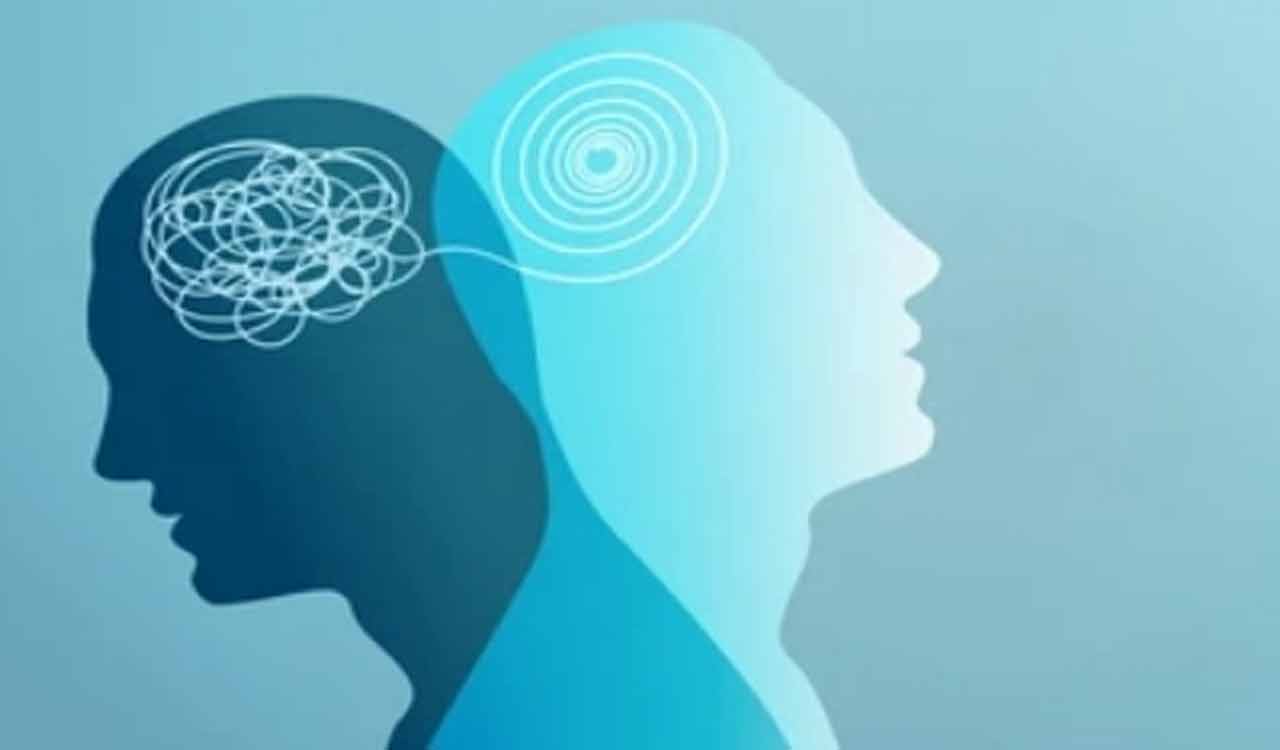
The disorder is said to be marked by abnormal patterns of both hyperconnectivity or over-communication between brain regions and hypoconnectivity or reduced communication.
The team, led by researchers including those at the Italian Institute of Technology and the US’ Child Mind Institute, analysed brain connectivity across 20 mouse models and brain scans from 940 children and young adults with autism and over 1,000 neurotypical individuals.
The analysis revealed two reproducible autism subtypes — one marked by a reduced brain connectivity, or hypoconnectivity, linked to synaptic pathways (at connecting junctions between neurons), the other by an increased connectivity, or hyperconnectivity, associated with immune-related systems.
Together, the subtypes were found to account for about 25 per cent of the individuals with autism examined in the study. “For decades, we’ve observed (a) tremendous variability in how autism manifests, but we lacked direct evidence that these differences reflected distinct underlying biology,” author Alessandro Gozzi, from the Italian Institute of Technology, said.
“Our approach enabled us to isolate specific genetic and immune factors, then translate those signatures to human brain scans, showing that different connectivity patterns encode different mechanistic pathways underlying autism,” Gozzi said.
Genetic and biochemical analyses in the mouse models revealed how specific molecular pathways, including synaptic and immune-related mechanisms, manifest as distinct connectivity patterns observable with functional magnetic resonance imaging (fMRI). Biological patterns seen in the mice served as a reference that guided subtype identification in human brain scans.
The authors found that “functional magnetic resonance imaging (fMRI) connectivity alterations in 20 distinct genetic mouse models of autism cluster into hypoconnectivity-dominant and hyperconnectivity-dominant subtypes.” “These subtypes are linked to distinct biological pathways, with hypoconnectivity being associated with synaptic dysfunction and hyperconnectivity reflecting transcriptional and immune-related alterations,” they said.
The human data came from the Autism Brain Imaging Data Exchange (ABIDE), which aggregates datasets from research laboratories worldwide, and the Child Mind Institute.

Related News