Super El Nino hits Godavari water flow, says Andhra minister
Andhra Pradesh Irrigation Minister N Ramanaidu said the super El Nino has reduced Godavari River flows to historic lows, affecting irrigation. The government is sourcing water from Sileru and taking measures to ensure irrigation for most of the Godavari Delta during Kharif
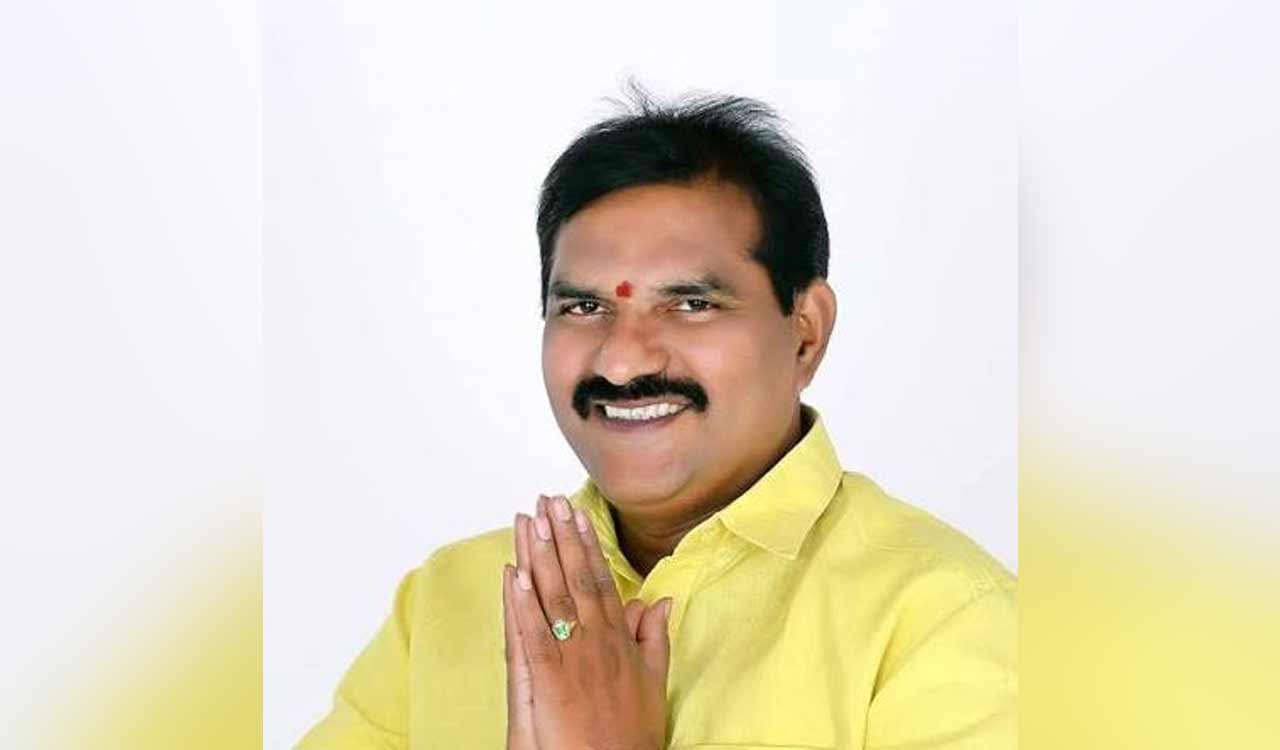


Amaravati: Andhra Pradesh Irrigation Minister N Ramanaidu on Tuesday said the “super El Nino ravaging irrigation and agriculture on a global scale” has affected water flow in the Godavari River in a manner unseen in the past 70 years, with the flow dwindling to 20,000 cusecs in July.
Citing irrigation experts, Ramanaidu said that under normal conditions, the flow is between 1 lakh and 2 lakh cusecs (cubic feet per second) in July.
“Irrigation experts are saying that Godavari River water flows have reached as low as 15,000 to 20,000 cusecs in July for the first time in the last 70 years. Around this time, between 1 lakh and 2 lakh cusecs of water flow is usually recorded,” said Ramanaidu.
Because of the super El Nino phenomenon, water availability is lower, he said. Normally, 3,000 TMC (Thousand Million Cubic) feet of Godavari River water drains into the sea annually, he added.
As a result of the lower flow in the river, the government is sourcing water from Sileru to meet the irrigation needs of the Godavari Delta region, where up to 10.17 lakh acres are under cultivation, he said.
According to the Minister, Sileru water is usually tapped only for the Rabi crop during March and April.
Recently, Chief Minister N Chandrababu Naidu highlighted that the State recorded a 49 per cent rainfall deficit this year.
Despite these conditions, Ramanaidu said 14,800 cusecs of water is being supplied to the Godavari Delta for irrigation.
However, he said the tail-end areas of the Godavari Delta continue to face irrigation problems as the irrigation infrastructure in the region, as well as in the Krishna Delta, was designed in such a way that 70 per cent of the area would be irrigated through the canal network and the remaining 30 per cent by rainwater.
Due to the lack of rainwater, he said both the deltas are under stress and are now totally reliant on canal water.
To address the problem of supplying water to the tail-end areas as far as possible, he said maintenance works are being carried out and blockages are being removed.
Further, the Irrigation Minister said elevated areas in the Godavari Delta may not receive water, but the remaining 90 per cent of the region will.
Barring the 10 per cent of land at higher elevations, the remaining 90 per cent of fields will receive water for cultivation during the Kharif season, and arrangements for this will be made in coordination with the district collectors and the Revenue and Irrigation departments, Ramanaidu said.

Related News
-

KTR blames Congress for drought, questions use of irrigation pumps
-
Harish Rao urges Telangana government to use Godavari floodwater to fill reservoirs
-
Devotees express displeasure over immersion of Ganesh idols in Godavari at Gudem
-
Godavari River tragedy: Woman rescued, three family members found dead