Supreme Court says law mandates seat belts, enforcement is key
The Supreme Court said existing laws mandate wearing seat belts while vehicles are in motion and stressed that law enforcement agencies must ensure compliance. It disposed of a plea seeking mandatory seat belt use, allowing the petitioner to submit suggestions
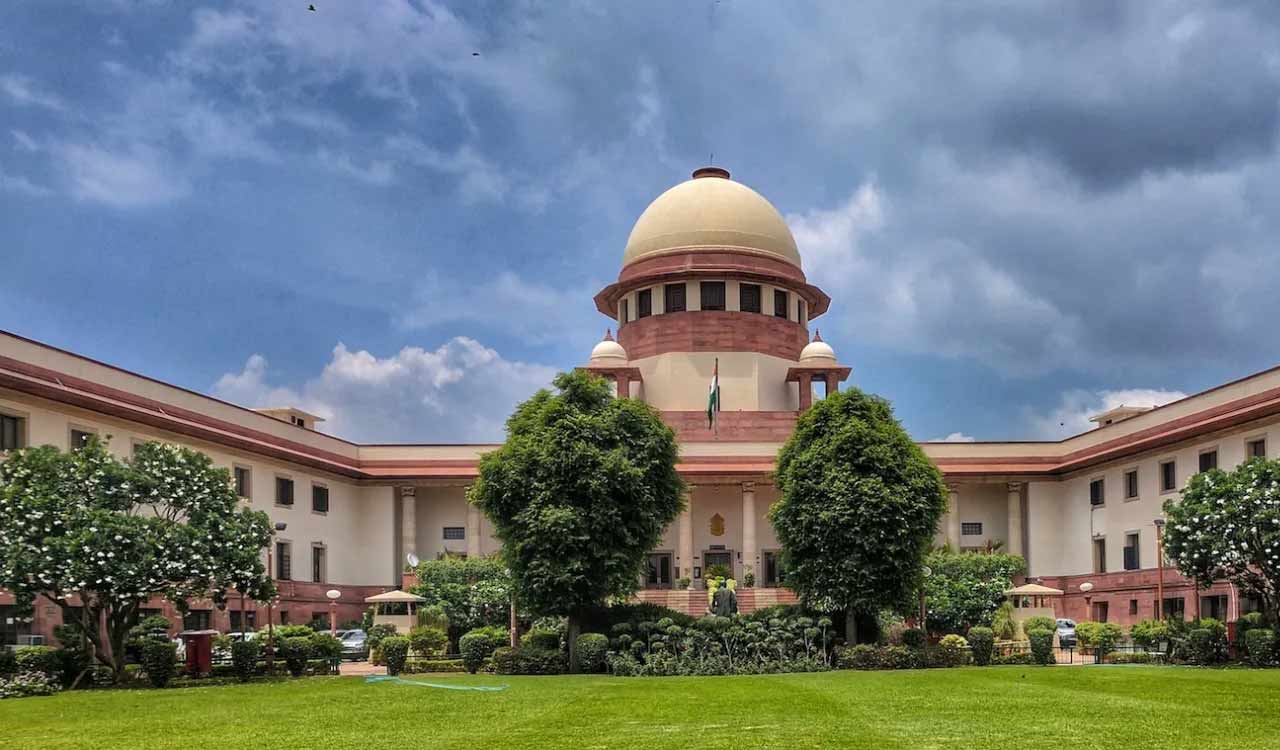


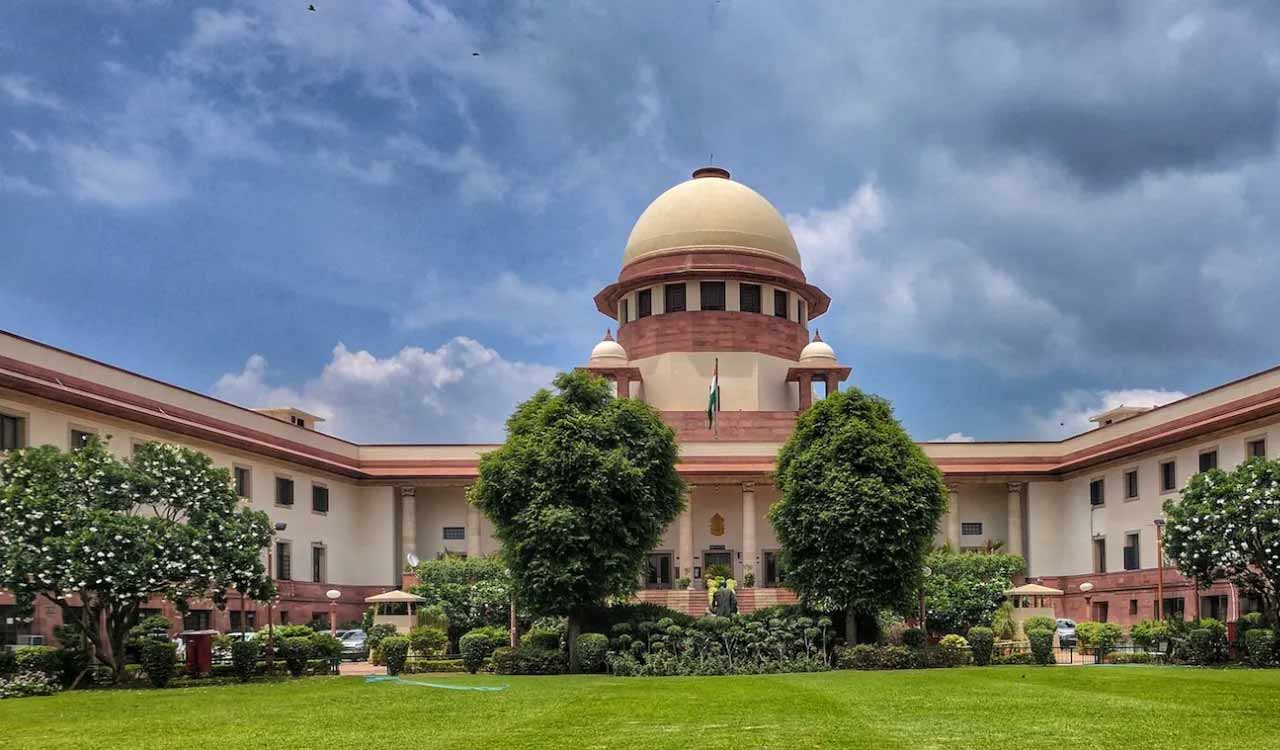
New Delhi: The Supreme Court on Wednesday said there are adequate laws mandating the wearing of seat belts while a vehicle is in motion and that it is the duty of law enforcement agencies to ensure compliance.
The observation came from a bench comprising Chief Justice of India (CJI) Surya Kant and Justices Joymalya Bagchi and V Mohana, which was hearing a petition seeking directions for the mandatory wearing of seat belts in vehicles.
The counsel appearing for the petitioner told the bench that a number of deaths and injuries arising from road accidents could be prevented if the law mandating the wearing of seat belts were complied with.
He said that despite the law, a number of vehicles have non-functional seat belts because of fancy seat covers or other modifications.
The bench said, “The law is very clear on seat belts. The question is of implementation. How can we ensure that every citizen and every driver in this country complies with it?” The top court asked the petitioner to send his suggestions on the issue to the competent authority.
“It is the work of the law enforcement agencies to ensure compliance,” it said.
Referring to Rule 138(3) of the Central Motor Vehicles Rules, 1989, the bench said it requires the driver, the person seated in the front seat or persons occupying front-facing rear seats to wear seat belts while the vehicle is in motion.
The petitioner’s counsel argued that negligence by people and weak enforcement of the law lead to serious injuries and even deaths in road accidents across the country.
The bench noted that there are adequate laws concerning road safety measures, including the wearing of seat belts while a vehicle is in motion.
It said non-compliance with the law by people or failure by law enforcement agencies to take appropriate action against defaulters was essentially a question of maintaining law and order.
The bench disposed of the plea while granting liberty to the petitioner to forward a copy of his petition to the concerned authority for consideration of the suggestions given by him.

Related News
-

Supreme Court clarifies legal route for complaints against elected candidates
-
NEET-PG 2026: Plea seeks permanent copies of question papers and response sheets
-
SC issues notice to ECI on Rahul Gandhi-led plea against Special Intensive Revision exercise
-
Internet shutdown during October 10 CJP protest was necessary: Centre to SC