TCA urges BCCI to consider Telangana’s Associate Membership request
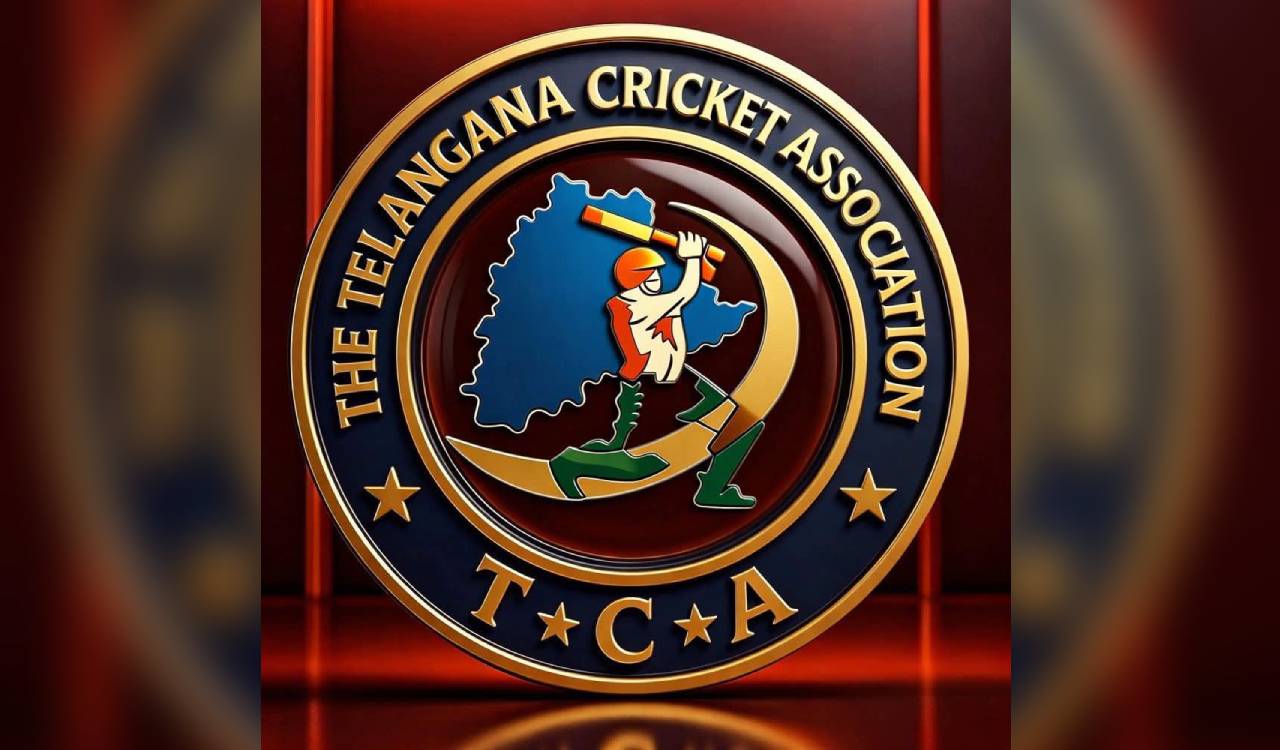
The Telangana Cricket Association has urged the BCCI to consider its long-pending Associate Membership request at the September 18 AGM, arguing that Telangana’s districts deserve greater representation in domestic cricket and that administrative barriers should not restrict local talent


Hyderabad: The Telangana Cricket Association (TCA) has stepped up its campaign for fair play, urging the Board of Control for Cricket in India (BCCI) to place its long-pending request for Associate Membership before the upcoming Annual General Meeting (AGM) on September 18, 2026.
Following a move to consider territories such as the Andaman and Nicobar Islands, TCA General Secretary Dharam Guruva Reddy pointed out what he described as a glaring double standard.
“If new cricketing territories deserve a pathway, Telangana deserves one too,” he said.
For years, TCA has fought to break the administrative isolation of districts outside Hyderabad, emphasising that a five-year journey through the Supreme Court and the Bombay High Court cannot end in endless dialogue.
Key arguments raised by TCA
“Just as Gujarat (Baroda, Gujarat, Saurashtra) and Maharashtra (Maharashtra, Mumbai, Vidarbha) boast multiple representations, TCA asks why Telangana’s districts must remain locked out of mainstream domestic cricket,” he said.
“With the BCCI successfully integrating the North-Eastern States and supporting global underdogs like Nepal and Afghanistan, TCA argues that administrative boundaries shouldn’t choke local talent,” Guruva Reddy said.
“Echoing recent protests by young cricketers in Uttar Pradesh demanding more Ranji teams, TCA stressed that modern youth want pathways, not institutional gatekeeping,” the TCA official said.
“Despite a Supreme Court nudge in 2020, BCCI directives in 2021, and the formation of committees by the Hyderabad Cricket Association (HCA) in 2025, promised resolutions have hit a wall. TCA maintains that conciliation cannot become a device to keep disputes alive forever,” Guruva Reddy said.
“Rules cannot be sacred in one State and optional in another. The purpose of reform was to break monopolies—not to modernise them,” he said, criticising the selective application of Lodha Committee reforms.
Related News