Telangana High Court dismisses Margadarsi plea challenging Rs 81.12-lakh electricity surcharge
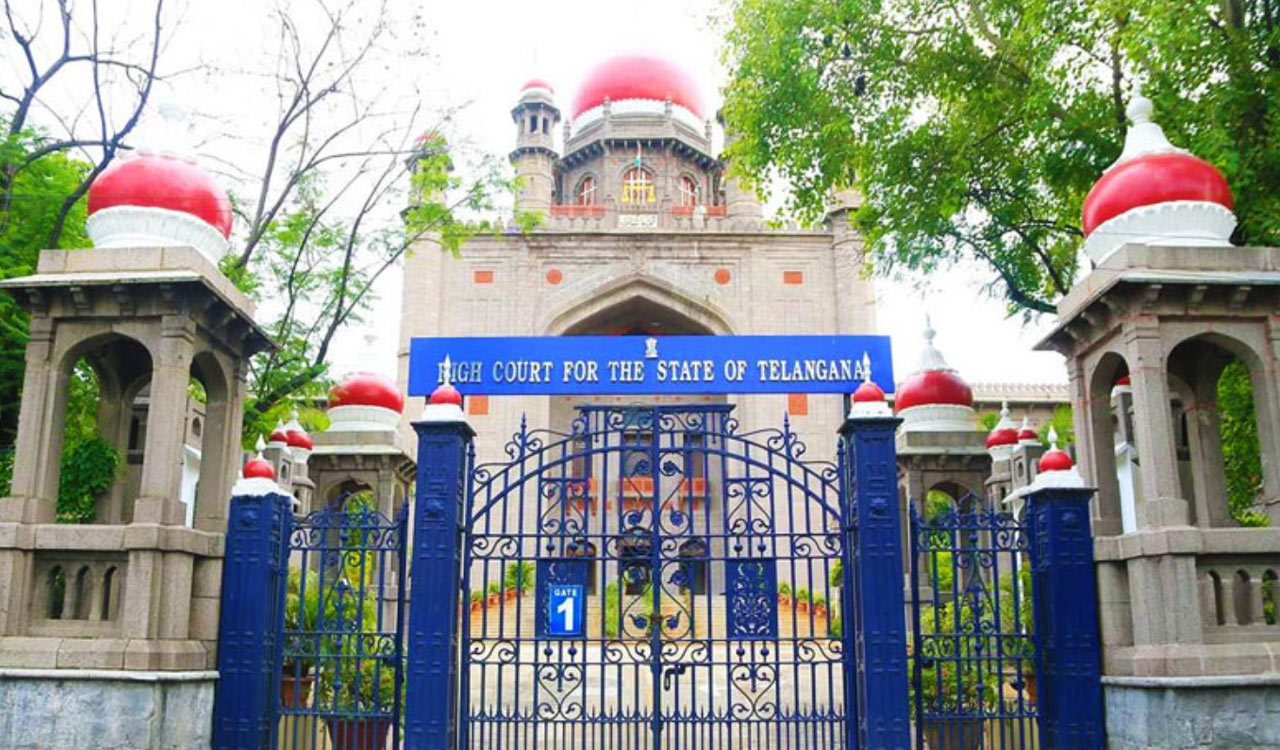
The Telangana High Court dismissed Margadarsi Chit Fund's petition challenging an Rs 81.12-lakh cross subsidy surcharge demand. The Court held that earlier Government Orders permitting third-party power sales did not constitute the specific State Government consent required for exemption.


Legal Correspondence
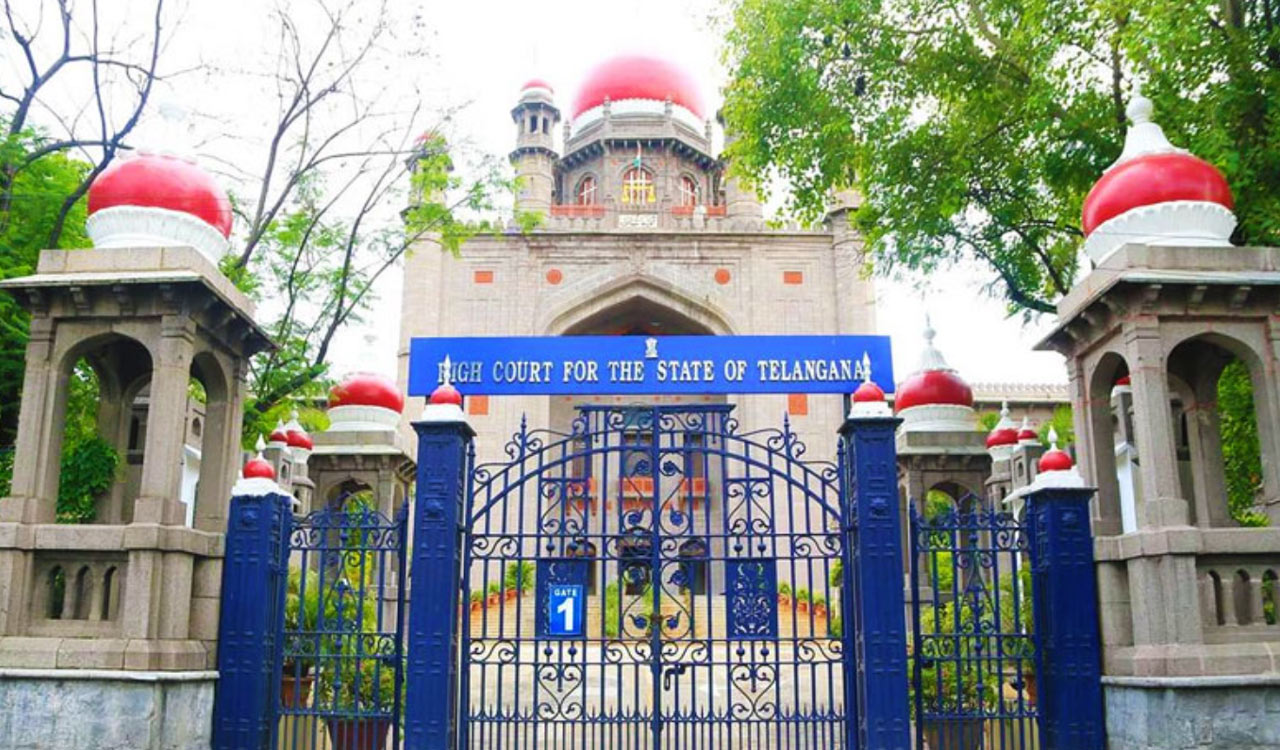
Hyderabad: The Telangana High Court has dismissed a writ petition filed by Margadarsi Chit Fund Private Limited challenging a demand of Rs.81.12 lakh towards Cross Subsidy Surcharge (CSS) on electricity drawn from a private power generating company between 2005 and 2015. Justice Nagesh Bheemapaka held that Government Orders issued in 1997 and 1998, permitting non-conventional energy generators to sell electricity to third parties, could not be treated as consent granted by the State Government under Section 43-A(1)(c) of the Electricity (Supply) Act, 1948, for claiming exemption from CSS. Margadarsi had challenged a demand notice issued by the Southern Power Distribution Company of Telangana Limited on January 31, 2025, seeking Rs.81,12,110 towards CSS for the financial years 2005-06 to 2014-15. The demand was subsequently confirmed through a speaking order dated June 18, 2025.
Senior counsel K. Gopal Chowdary, appearing for Margadarsi, contended that the company had procured electricity from M/s Sudha Agro and Chemical Industries Limited, which was authorised to undertake third-party power sales under the earlier regulatory framework. He argued that the Electricity (Removal of Difficulties) Second Order, 2005 exempted such consumers from payment of CSS. However, the distribution company contended that the Government Orders relied upon by Margadarsi merely provided incentives for non-conventional energy generation and did not constitute consent under Section 43-A(1)(c) of the 1948 Act. Accepting the respondents’ contention, the Court held that the petitioner had failed to establish that its power generator possessed the specific consent required under the said provision. It also noted that Margadarsi had failed to produce such consent either before the authorities or before the High Court. The Court accordingly dismissed the writ petition.

Related News
-

Telangana HC pulls up education dept over rejection of DSC-2002 candidate’s plea
-
Telangana HC sentences Miyapur CI to 4 weeks’ jail for contempt of court
-
High Court refuses interim relief to G. Pulla Reddy Sweets, seeks fresh food safety inspection report
-
Telangana HC allows farmer to challenge quarrying permissions in Ranga Reddy