Telangana High Court Hears Plea Against ECI’s SIR Voter Notice Process
The Telangana High Court heard a petition challenging the Election Commission of India’s notice process during the Special Intensive Revision of electoral rolls. The Commission assured the Bench that reasoned orders would address eligible-voter exclusions. The hearing resumes October 15
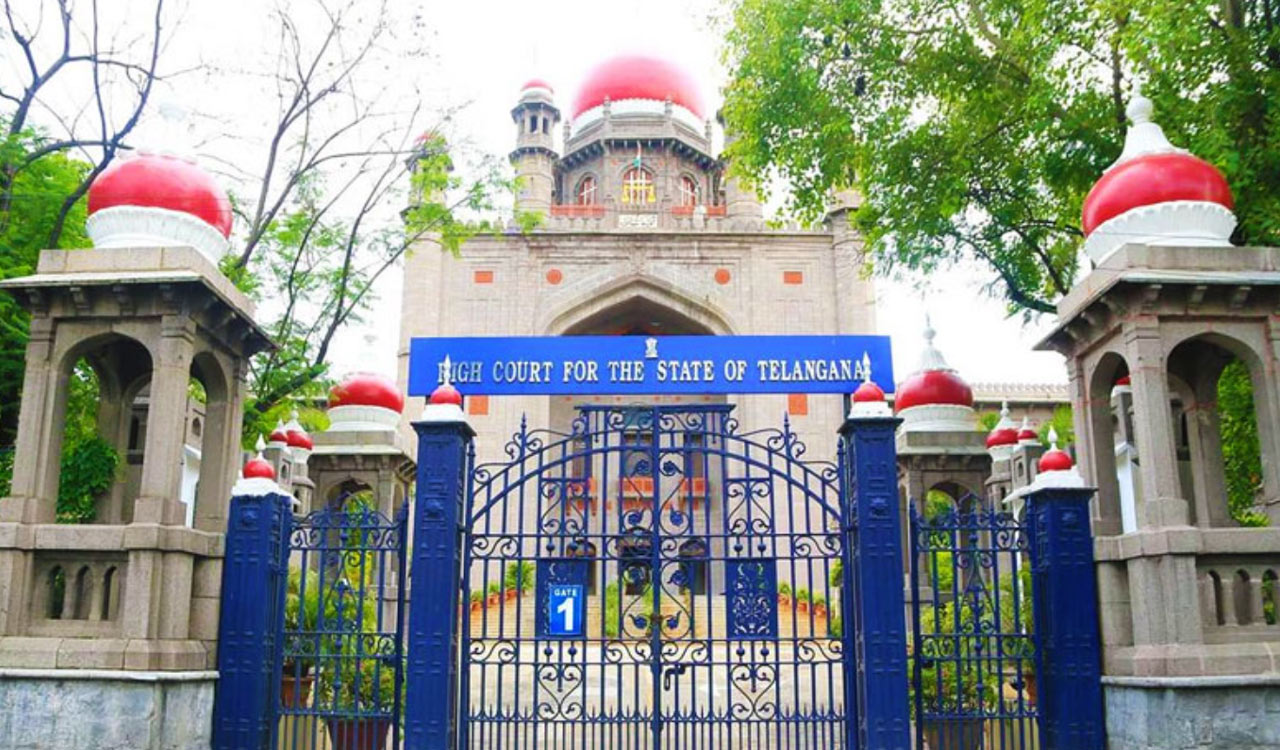


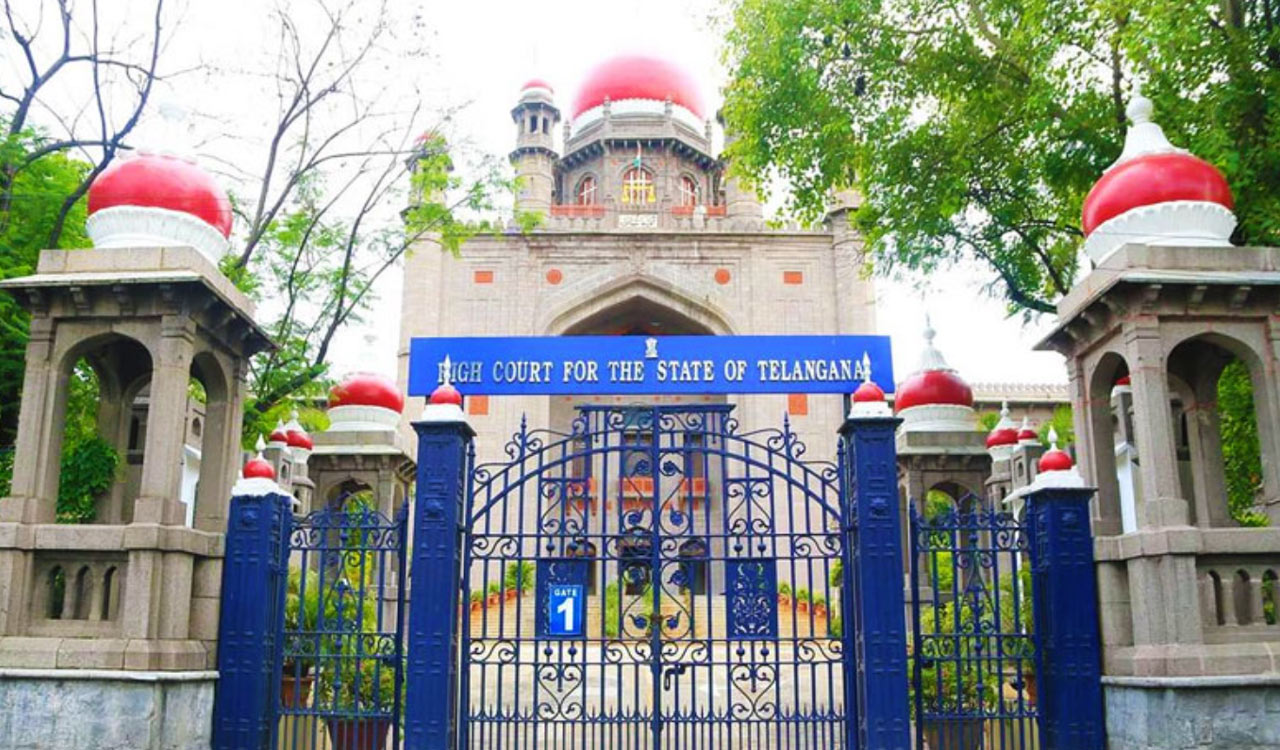
Hyderabad: A Division Bench of the Telangana High Court, comprising Acting Chief Justice P. Sam Koshy and Justice Nandikonda Narsing Rao, on Tuesday heard a petition filed by S.Q. Masood and Syed Waheed Uddin challenging the Election Commission of India’s (ECI) methodology for issuing notices to voters during the Special Intensive Revision (SIR) of electoral rolls.
The ECI assured the Bench that reasoned orders would be passed in cases where eligible voters whose names appeared in the draft electoral roll were excluded from the final list.
Senior counsel L. Ravi Chander, appearing for the petitioners, expressed concern that eligible voters could lose their right to vote because of discrepancies identified through an automated data-matching platform reportedly known as ECINet/ERONET. The notices were issued following discrepancies detected in enumeration forms submitted during the SIR exercise.
The petitioners submitted that one of them had been excluded from the draft electoral roll despite having voted on several occasions. The other said he had received a notice citing a discrepancy in his father’s name compared with the 2002 electoral roll. Although he had submitted documents in response to the notice, he had received no further communication from the authorities, raising concerns about the status of his enrolment.
Ravi Chander argued that the SIR exercise, while intended to improve the accuracy of electoral rolls, should not result in the arbitrary deletion of eligible voters. He submitted that excluding eligible citizens from the electoral roll would deprive them of their right to vote and be contrary to Article 326 of the Constitution, which provides for elections based on adult suffrage. He sought time to make further submissions in response to the ECI’s arguments.
Senior counsel Avinash Desai, appearing for the ECI, submitted that the name of one petitioner had already been deleted and that he would have to submit Form 6 to seek fresh enrolment. Regarding the other petitioner, he argued that the petition had been filed prematurely because the final electoral roll had not yet been published.
Desai assured the Bench that reasoned orders would be passed in cases where eligible voters whose names appeared in the draft electoral roll were excluded from the final list. He said this would be subject to the concerned electors appearing for hearings in response to notices and submitting relevant documents to explain the discrepancies. He added that such orders would be appealable.
He further submitted that if no order was passed in a particular case, it could be considered that the voter’s name would be included in the electoral roll.
The Division Bench took note of the submissions and the uncertainty surrounding the petitioners’ inclusion in the final electoral roll. The matter was adjourned to October 15 for further hearing.

Related News
-

Telangana High Court Reserves Order on IAS Officer Amrapali’s Cadre Allocation Plea
-
Rahul Gandhi’s SIR petition faces 14 defects flagged by Supreme Court registry
-
Rahul Gandhi accuses Centre of protecting CEC Gyanesh Kumar amid Delhi protests
-
Fake ECI officials target elderly Pune residents in separate cyber frauds