
Thoti tribal community face extinction in Telangana
The Thoti community, a Particularly Vulnerable Tribal Group in Telangana, is facing a serious decline due to a shrinking population, hereditary health disorders, economic instability and limited access to education and healthcare, prompting community leaders to seek government intervention
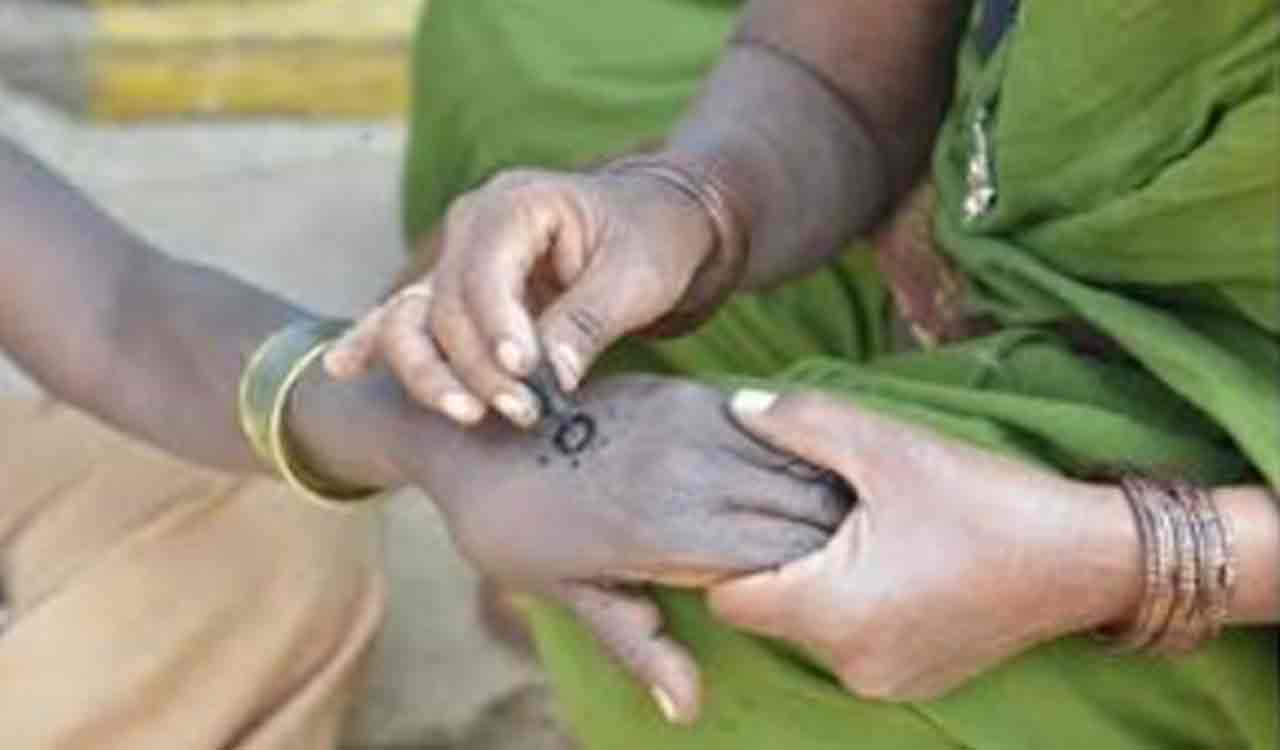


Adilabad: The Thoti community, a recognised Scheduled Tribe in Telangana, is facing a rapid decline driven by a shrinking population, the loss of oral languages, hereditary health disorders, and severe economic instability.
Data from the Telangana State Development Planning Society indicates that the state’s total tribal population stands at 3,177,940, representing 9.1 per cent of the total 3.50 crore residents. While Mahabubabad and Bhadradri Kothagudem districts maintain the highest concentrations of tribal populations at 37.8 per cent and 36.7 per cent respectively, smaller communities like the Thoti are struggling for survival.
Telangana recognises 32 Scheduled Tribes, including the Raj Gond, Koya, Lambada or Banjara, Kolam, Chenchu, Yerukala, and Savara. Among these, the Union government classifies certain groups as Particularly Vulnerable Tribal Groups (PVTGs) due to their extreme social and economic marginalisation. The Thoti, Chenchu, and Kolam have been identified as the three communities facing the most significant existential threats within the state.
Population figures show that the Thoti community consists of only 4,811 members, primarily concentrated in the erstwhile Adilabad district. This makes them the smallest group among the major PVTGs in the state. By comparison, the Chenchu population is recorded at 16,912, largely situated in the Nagarkurnool district, while the Kolam population stands at 44,805.
The Thoti people have historically served as village messengers, ballad singers, and folk artists, maintaining a rich heritage of storytelling and indigenous cultural practices. Today, many work as agricultural labourers. Despite their cultural contributions, the community remains on the verge of extinction, hampered by a lack of access to formal education, modern healthcare, and sustainable economic opportunities.
Geographically, the Kumram Bheem Asifabad district leads the state with a PVTG population of 23,182. Adilabad district follows with 16,373 members of these vulnerable groups. Community leaders from these endangered tribes have issued a formal request to the government, urging the implementation of targeted schemes to improve their socio-economic conditions and ensure their long-term preservation.

