US, Israel show signs of divergence over Iran conflict strategy
Differences between Donald Trump and Benjamin Netanyahu over Israel’s strike on Iran’s gas field have raised questions about US-Israel coordination, with officials acknowledging differing objectives even as both sides continue to project a strong alliance
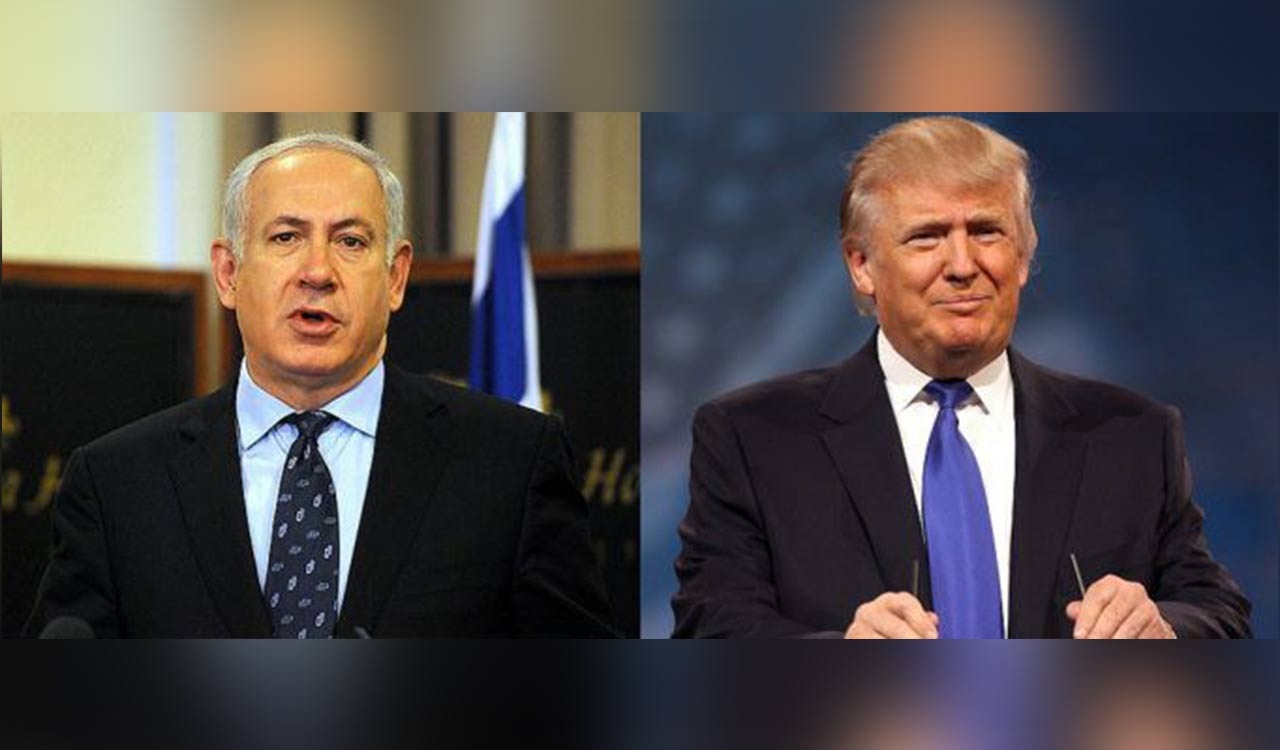


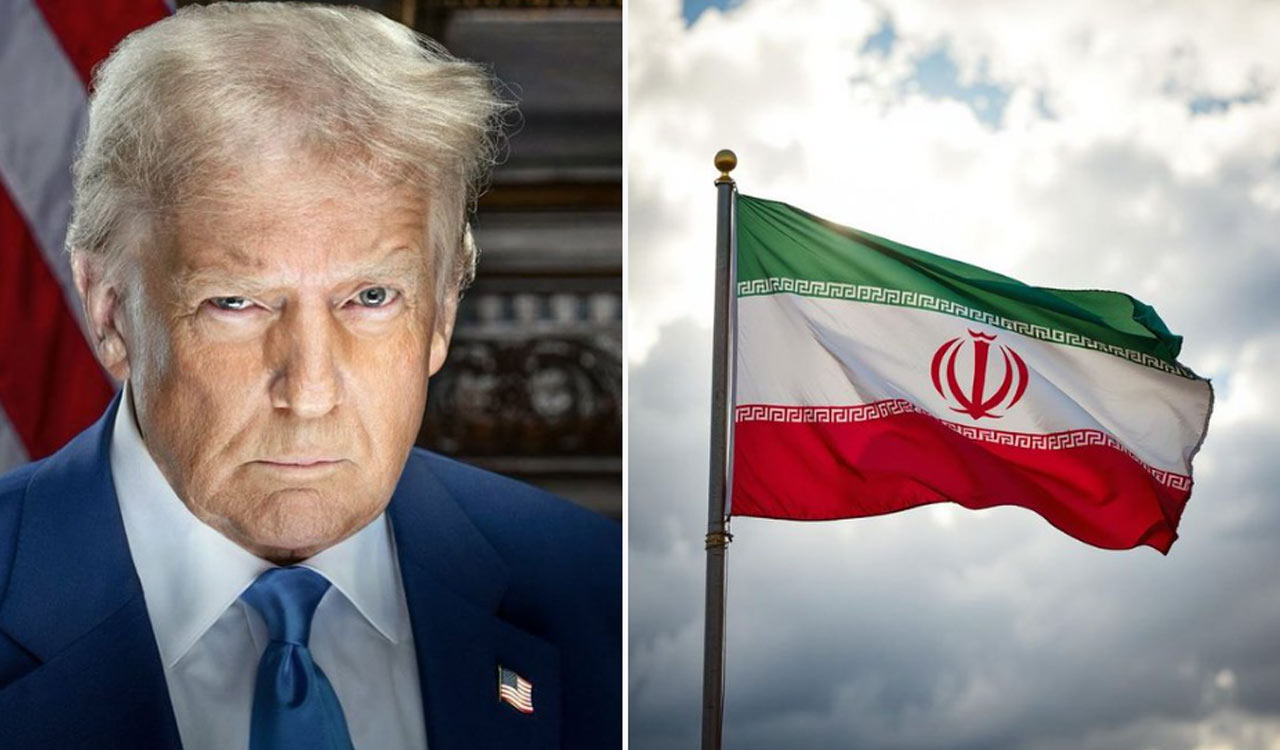
Washington: President Donald Trump and Israeli Prime Minister Benjamin Netanyahu’s diverging language on Israel’s decision to attack a critical Iranian gas field marks the most notable difference of opinion between the two leaders since the start of the 20-day war against Iran.
The attack by Israel on the South Pars gas field prompted Iran to retaliate against energy infrastructure in other Middle East countries. The Iranian strikes led to already elevated global energy prices further surging and spurred Gulf allies to call for Trump to rein in Netanyahu.
The aftermath of the strike left Trump and Netanyahu facing questions on whether they’re entirely in sync in prosecuting the war that began as a closely coordinated joint attack on the longtime regional foe. The emergence of daylight — or at least the appearance of it — between the two leaders could shape the balance of the conflict and any eventual endgame.
Trump, during an Oval Office meeting with Japanese Prime Minister Sanae Takaichi, told reporters that he neither agreed with nor approved of Israel’s attack on the world’s largest gas field, which is an energy lifeline for Iran.
“I told him, ‘Don’t do that,’” Trump said of Netanyahu’s decision to strike. “We get along great. It’s coordinated, but on occasion he’ll do something. And if I don’t like it — and so we’re not doing that anymore.”
Netanyahu said that Israel “acted alone” and that he’s agreed to Trump’s request that Israel hold off on any further attack on Iran’s giant gas field. The prime minister also sought to downplay any space between him and Trump.
“It’s been said that for 40 years I’ve been saying that Iran is a danger to Israel and a danger to the world. That is true,” Netanyahu said at a news conference in Jerusalem. “You know who else said that? President Trump.”
Netanyahu later added: “Look, I don’t think any two leaders have been as coordinated as President Trump and I. He’s the leader. I’m his ally. America is the leader.”
Trump’s first public reaction to Wednesday’s strike on the Iranian gas field came several hours afterward in a fiery social media post where he also declared the US “knew nothing” about the attack before it was carried out.
Two people familiar with the matter who were not authorized to comment publicly said the US was made aware of Israel’s plan ahead of the attack. The people were not authorized to comment publicly and spoke on the condition of anonymity. One of the people said Israel’s targets are being coordinated with the US.
US intel chief says US, Israel have different objectives
Top US administration officials on Thursday made the case that Trump is simpatico with Netanyahu, but is ultimately guided in his Iran strategy by what he believes is in the US national security interest.
The US air campaign has focused on decimating Iran’s missile programme, pummeling its already beleaguered nuclear program and destroying its navy. Israel, meanwhile, has carried out one high-level assassination after another as it looks to topple the Islamic authority that has led the country since 1979.
The prime minister has framed the moment as an opportunity to usher in a new era in the Middle East — one in which the government in Tehran is run by a more moderate leadership that is not hostile to Israel.
Netanyahu is buoyed by an Israeli public that is far more supportive of the war than the American public. That gives him the political leeway to support a sustained operation that could deliver a decisive blow to Iran’s clerical rule.
Though Trump has offered shifting, myriad reasons for the conflict, he’s consistently articulated that ensuring that Iran “never has a nuclear weapon” is his primary objective.
“The objectives that have been laid out by the president are different from the objectives that have been laid out by the Israeli government,” Director of National Intelligence Tulsi Gabbard noted to House intelligence committee members on Thursday, when asked during a hearing about the White House position on the gas field strike.
Trump’s evolving goals for war
Trump, in contrast with Netanyahu, has cooled on the prospects of toppling Iran’s clerical authority and paving the way for a more moderate government.
It’s been a significant evolution for the president from the start of the US and Israeli bombardment, when he confidently told Iranians that they would soon have an opportunity to rid themselves from the clerical rule of the past 47 years.
But in a Fox News Radio interview last week, Trump was far more measured about the pathway ahead for opponents of the Islamic government and expressed concerns about the paramilitary Basij force, which has played a central role in crushing recent nationwide protests, maintaining its grip as a menacing force in Iran.
“So, I really think that’s a big hurdle to climb for people that don’t have weapons. I think it’s a very big hurdle,” Trump said.
Asked by host Brian Kilmeade if he agreed with Netanyahu’s calls for Iranians to take back their country, Trump made clear he didn’t think they were ready to rise up. “I would think that Bibi would understand that too,” Trump added.
Over the course of Trump’s five years in the White House, Netanyahu has arguably been his most steadfast ally among foreign leaders. The Israeli leader, for his part, never misses an opportunity to gush that the Jewish state has never had a more reliable friend in the White House.

Related News