Vijay’s TVK joins rare list of political startups with instant success
Vijay’s TVK has emerged as a rare political startup to achieve instant electoral success, joining parties like AAP and TDP. The party’s strong debut in Tamil Nadu Assembly elections has reshaped the state’s political landscape and drawn national attention
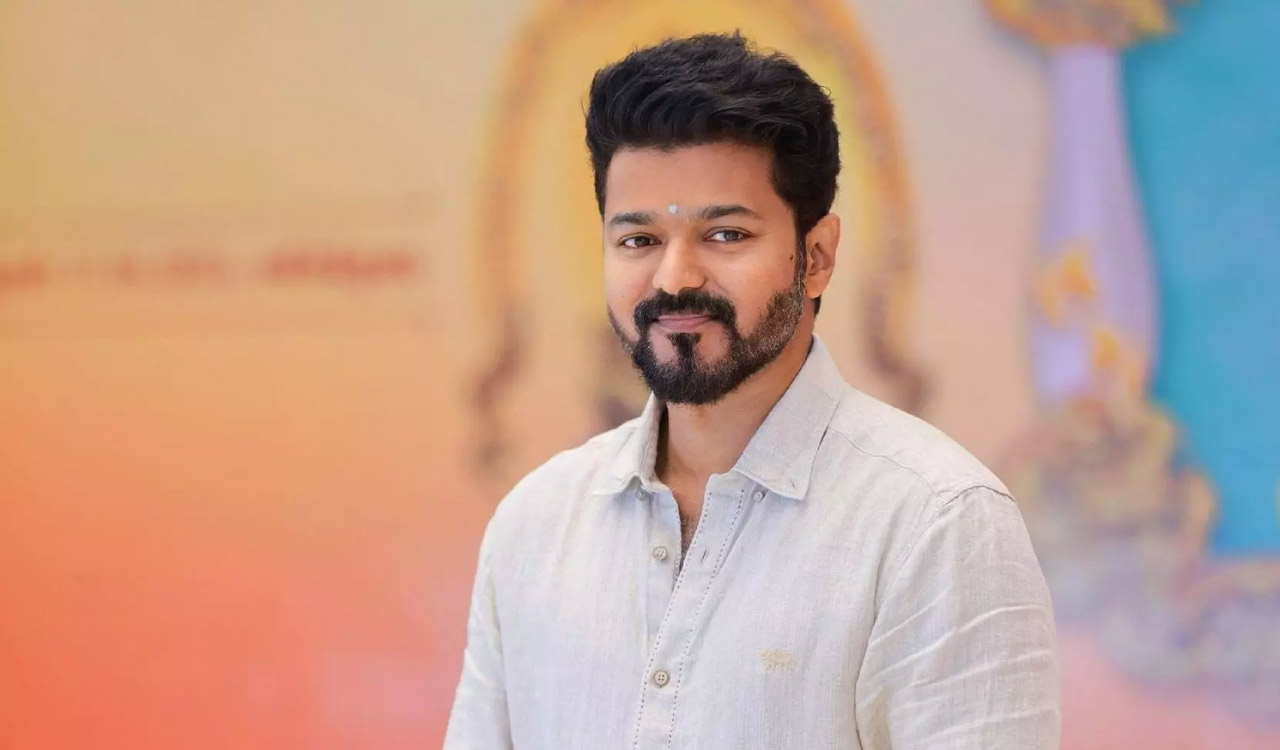


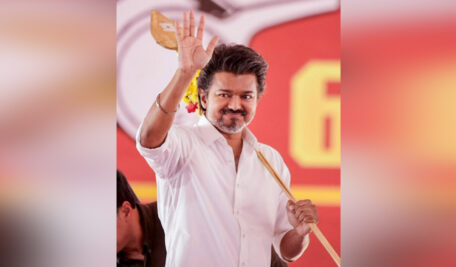
New Delhi: The stunning electoral debut of actor-turned-politician Vijay’s TVK, which is the front-runner to form the government in Tamil Nadu, has put the spotlight on political ‘startups’, very few of which have turned ‘unicorns’ instantly.
Tamilaga Vettri Kazhagam (TVK) has followed in the footsteps of parties such as the Aam Aadmi Party (AAP), the Asom Gana Parishad (AGP) and the Telugu Desam Party (TDP) in moving to form the government after its very first electoral outing.
While the AAP had formed the government with the support of the Congress following its debut election in 2013, the AGP had formed a government in 1985 soon after its formation with the support of successful Independent candidates affiliated with the Assam movement.
The TDP had swept the Andhra Pradesh Assembly polls in 1983 with a huge majority, winning 201 seats a year after its formation.
However, not many political startups have turned unicorns. While some took time, others failed to leave an imprint.
Just last year, the Jan Suraaj bit the dust. There have also been other parties that created a strong buzz but failed to succeed at the hustings, such as actor-turned-politician Kamal Haasan’s Makkal Needhi Maiam, which drew a blank in the 2021 Tamil Nadu Assembly polls.
The TVK, from the start, created a strong buzz and, with several political ‘startups’ formed by movie stars doing well in the past in the South, there were high expectations from it in the Tamil Nadu Assembly polls.
The TVK has stunned one and all, causing a major political shift in Tamil Nadu by overtaking both the Dravida Munnetra Kazhagam (DMK) and the All India Anna Dravida Munnetra Kazhagam (AIADMK), the two main players in the state for decades.
According to the Election Commission of India website, the TVK was leading in 107 seats, the ruling DMK in 58 seats and the AIADMK in 51. The majority mark in the Tamil Nadu Assembly polls is 118.
There are several small ‘startup’ parties in Bihar, such as the Plurals Party headed by Pushpam Priya Choudhary. Then there are small parties that have limited ambitions and survive in pockets, such as Jitan Ram Manjhi’s Hindustani Awam Morcha (Secular) and Upendra Kushwaha’s Rashtriya Lok Morcha.
In Uttar Pradesh, there are parties like the NISHAD Party, Peace Party, Apna Dal (Sonelal) and Suheldev Bharatiya Samaj Party (SBSP).
In India, parties keep getting formed and disappear after a poor showing at the hustings, hardly creating any buzz. But this could not have been said about Prashant Kishor’s Jan Suraaj because it created more than a splash, with many predicting that it could emerge as the next AAP in the Bihar polls.
However, the media euphoria around it proved to be a mirage as the party was decimated at the hustings and failed to open its account in any of the 238 seats it contested.
If one looks at the political landscape of the country, there are six national parties — Bharatiya Janata Party, Indian National Congress, Bahujan Samaj Party (BSP), Communist Party of India (Marxist) (CPM), National People’s Party (NPP) and AAP.
While the Congress arose from the freedom movement, the BJP arose from an ideology and gained from the Ram Janmabhoomi movement.
The CPI(M) was built around ideology, the NPP was formed by a known politician who broke away from his parent party, the BSP was built around a social group and the AAP emerged from the India Against Corruption movement.
Very few political ‘startups’ have done well. The AAP rose in 2012 and the regional TDP in 1982. The TDP, however, rode on the popularity of movie star N T Rama Rao.
Parties that have emerged as regional powerhouses, such as West Bengal’s All India Trinamool Congress, Biju Janata Dal in Odisha and All India Majlis-e-Ittehadul Muslimeen in Telangana, have gained due to a known political figure who broke away from the parent party (Mamata Banerjee) or due to dynastic goodwill (Naveen Patnaik and Asaduddin Owaisi). Though AIMIM was formed much earlier, it gained popularity under Owaisi.
Other parties such as the Lok Janshakti Party (Ram Vilas), Nationalist Congress Party (SP) and Shiv Sena (UBT) are also examples that fall in either of the two categories — breakaway factions or dynastic goodwill.
The Viduthalai Chiruthaigal Katchi (VCK) was built around a movement for the protection of Dalits and has had limited success in Tamil Nadu.
But TVK’s poll debut could instil confidence among those toying with the idea of launching a political startup. After all, it has been a blockbuster political debut for TVK and many would be inspired to attempt a ‘remake’.

Related News