Why Gen Z Is Seeking Hair-Loss Treatment Earlier Than Previous Generations
The trend is backed by emerging research. A study published in the International Journal of Trichology found that androgenetic alopecia, the most common form of hair loss, already affects around 16% of Indian men in their twenties, a figure that rises sharply to over 50% past the age of 50.
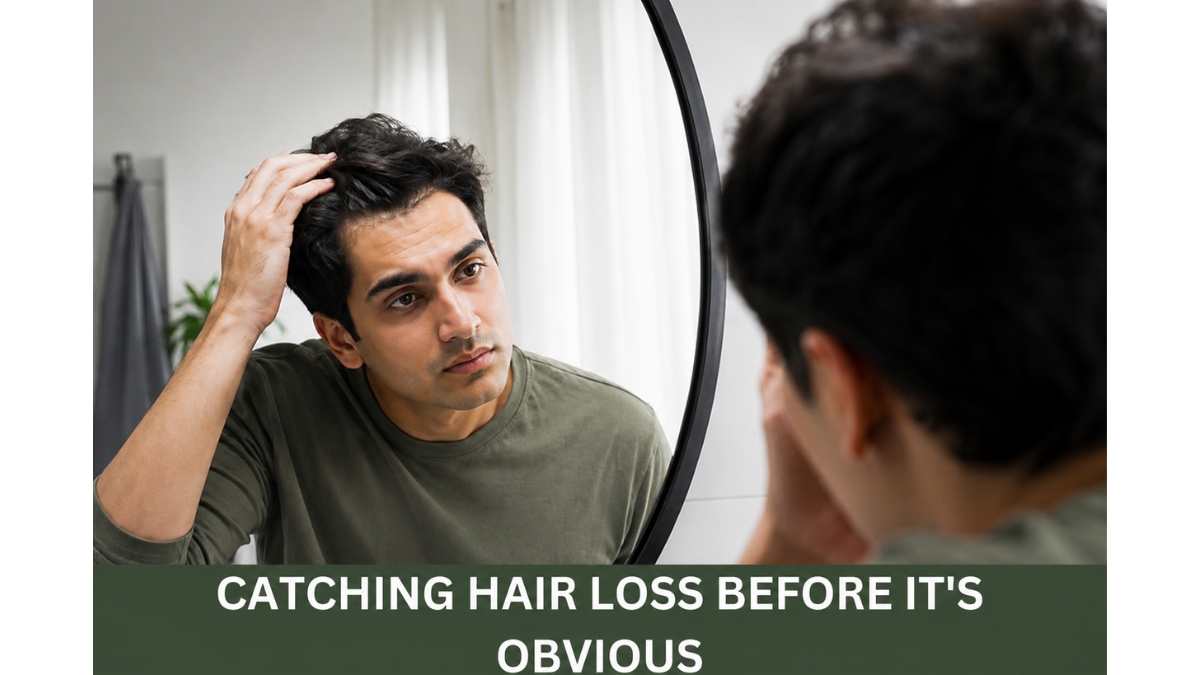


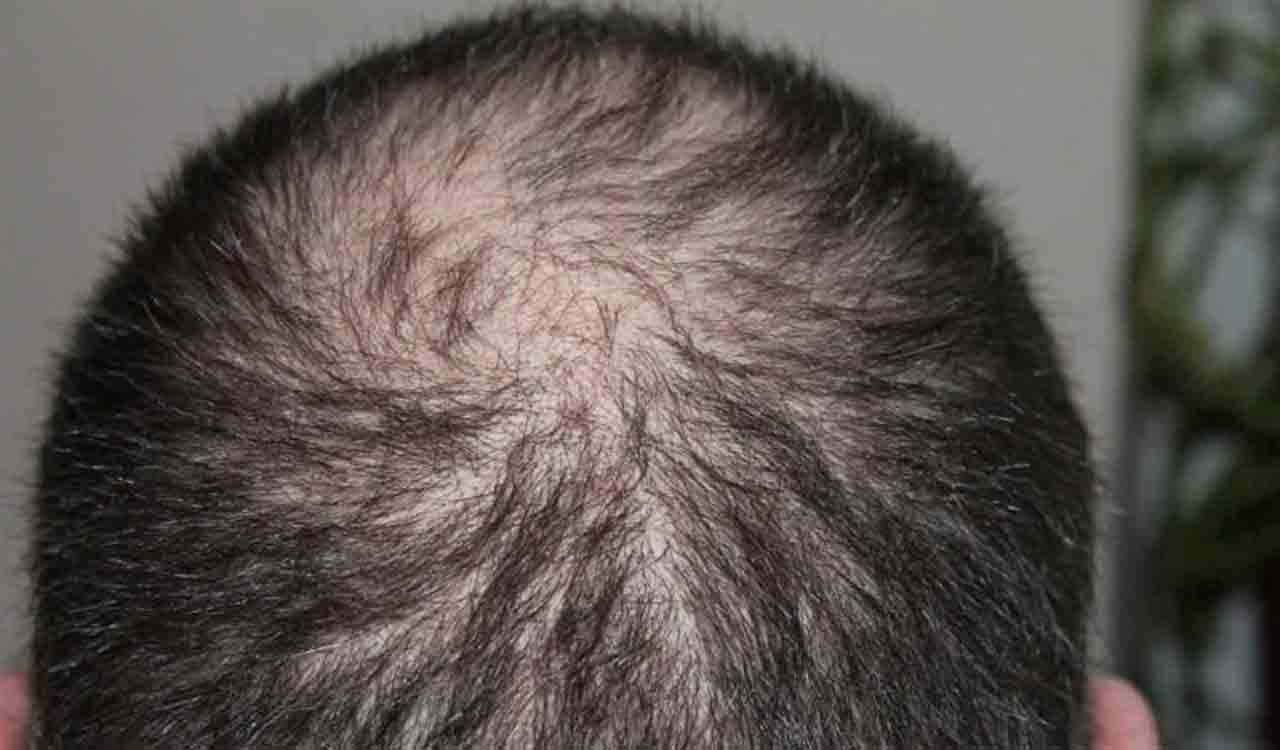
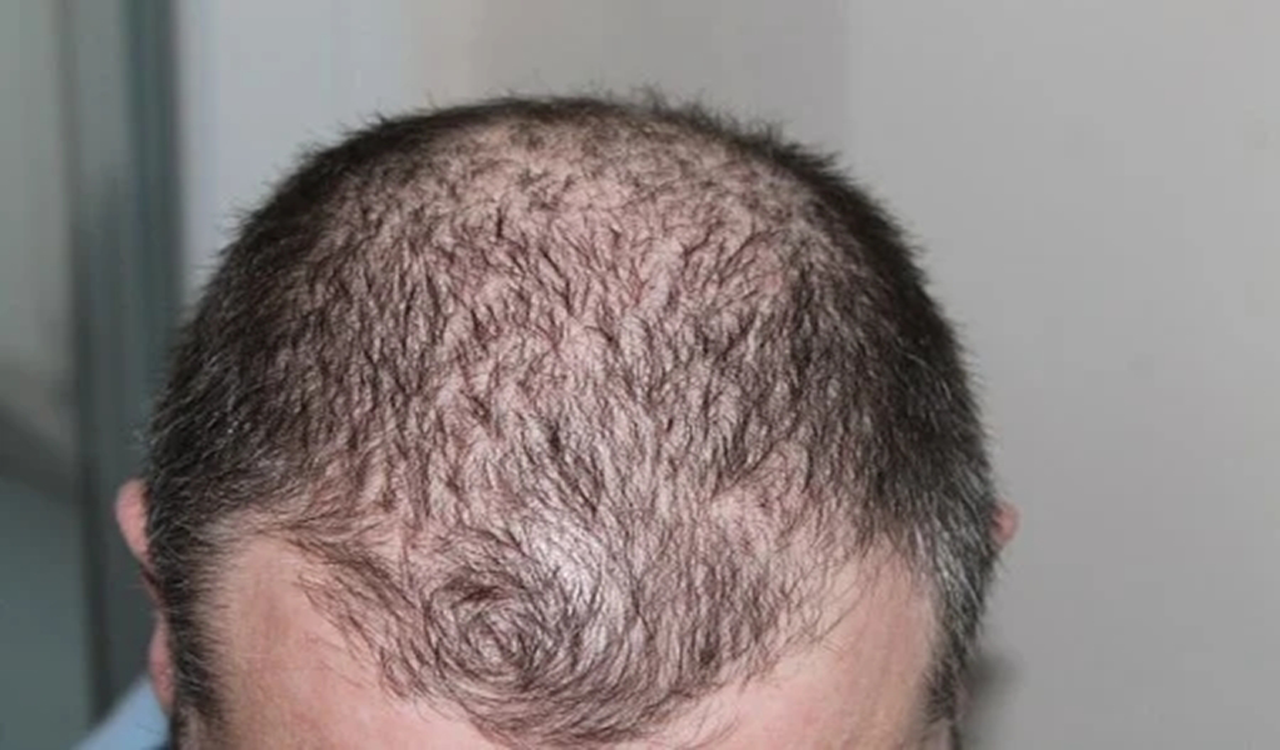
Hair loss consultations are no longer limited to patients in their late thirties and forties. Clinics across the country are reporting a growing number of patients booking consultations for thinning hair while still in their early twenties – some still in college – and presenting at a stage that isn’t yet visible to anyone but them.
“Ten years ago, the average patient walking in for hair loss was in his late thirties or forties. Today, I’m seeing patients as young as 20 or 21, and they’re not waiting until the hair loss is obvious,” said Dr Nikhita Reddy, founder of DermaHT, a well-recognised hair transplant clinic in Hyderabad.
The trend is backed by emerging research. A study published in the International Journal of Trichology found that androgenetic alopecia, the most common form of hair loss, already affects around 16% of Indian men in their twenties, a figure that rises sharply to over 50% past the age of 50.
Increased Visibility Through Screens
Constant exposure to cameras is one of the biggest drivers behind earlier detection. In a recent survey of over 4,000university students, 60% reported noticing significant hair loss, and roughly40% said they became aware of it only after a friend or family member pointed it out – underlining how much self-monitoring now shapes when hair loss is first noticed. “A person today looks at their own hairline more times in a week than someone in their thirties did in a year, just through video calls andfront-camera photos,” said Dr Nikitha Reddy. “Changes that once went unnoticed for two or three years now get flagged within a few weeks.”
Reduced Stigma Around the Topic
Younger patients are also far more willing to seek treatment than previous generations did. “Ten years ago, a large share of my patients would come in alone, almost apologetically, and ask if the treatment could be done ‘discreetly.’ Now, close to half my Gen Z patients bring a friend along to the consultation,” said Dr.Nikitha. The shift is reflected in a 2025 consumer survey by telehealth platform Hers, which found that 61% of Gen Z women said they had tried or would be willing to try hair growth medication, compared to just 48% of Gen X and Baby Boomer women.
Lifestyle and Stress-RelatedFactors
Beyond genetics and visibility,lifestyle-linked stress is emerging as a significant factor in younger patients. “I’m now diagnosing telogen effluvium – stress-related shedding- in patients as young as 19. A decade ago, that was rare before the age of 30,” said Dr.Nikitha. Academic pressure, irregular sleep, and prolonged screen exposure remain the most commonly cited triggers among this age group.
Treatment Options for Early-StagePatients
“When a patient comes in within the first year of noticing changes, we can often manage it with non-surgical treatment alone. Wait five years, and the same case may need a transplant,” said Dr.Nikitha. Treatment for early-stage patients at Derma HT typically includes PRP, GFC, Peptide Therapy, or Mesotherapy, prescribed after a trichoscopic scalp analysis that maps hair density and follicle health before any treatment is recommended.
Observed Trend
Taken together, patient behaviour and available research point in the same direction: hair loss is being caught earlier, and younger patients are acting on it sooner than previous generations did. “This generation isn’t waiting for a crisis. They’re treating hair health the way they treat skincare – as something to monitor and manage early, not fix after the fact,” said Dr.Nikitha, whose work at DermaHT has earned the clinic recognition on leading doctor discovery platforms, including ClinicSpots and Practo.
For consultations or more information, please visit:
- DermaHT Hair Transplant Clinic 303, Raichandani Square, Kokapet, Hyderabad, Telangana – 500075
- Consultation Fee: ₹800
- Clinic Hours: 10:30 AM to 7 PM (Monday to Sunday)
About Dr.Nikitha Reddy
Dr.Nikitha Reddy is an MD Dermatologist and certified hair transplant surgeon with over six years of experience in advanced hair restoration. Specializing in FUE hair transplant surgery, female hair loss, and non-surgical treatments, she is known for her ethical approach, transparent communication, and commitment to delivering natural-looking results. Registered with the Telangana State Medical Council, Dr.Nikitha combines medical expertise with compassionate care to provide personalized solutions for every patient.

Related News
-

Dermatologists warn of ‘Ozempic Hair’ linked to rapid weight loss
-
Breakthrough Hair Loss Solution: Dr. Stuti Khare Shukla’s Non-Surgical Treatment Now Available Online – Convenient for Patients Worldwide
-
These hair loss meds can cost you your libido, warn dermatologists in Hyderabad
-
Meet Hair Growth Queen of India, Dr Stuti Khare Shukla changing lives with non surgical hair growth treatment