With NavIC setback India unable to use system for security purposes, experts say
India’s navigation system NavIC faces a setback after atomic clock failure on IRNSS-1F, leaving limited satellites operational. Experts warn reliance on foreign systems could pose serious security risks, especially during conflicts and strategic operations
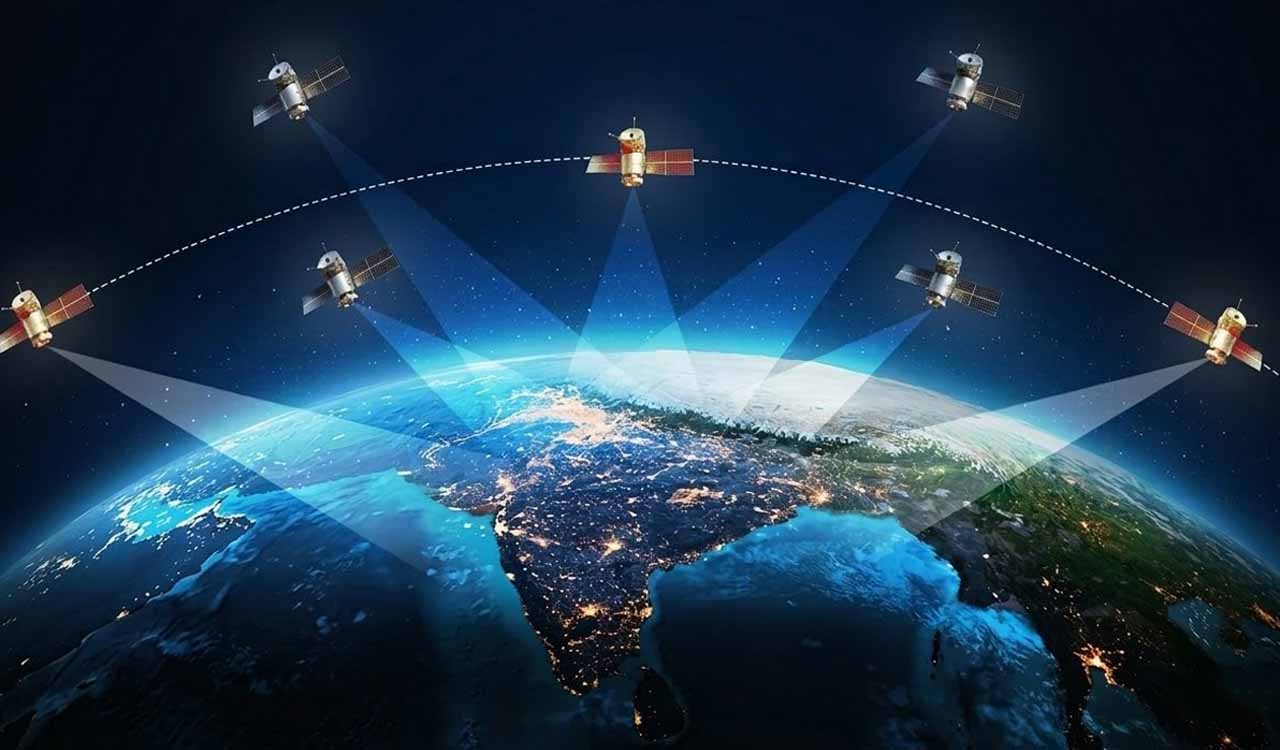


New Delhi: With India’s navigation satellite system – Navigation with Indian Constellation (NavIC) – not fully functional, one of the biggest concerns is that the country will be unable to use it for security and strategic purposes, experts say.
The major setback occurred after the last atomic clock on board the Indian Regional Navigational Satellite System-1F (IRNSS-1F) stopped functioning on March 10, leaving only three satellites of the constellation capable of providing position, navigation, and timing (PNT) services. At least four satellites with operational atomic clocks are required for the navigation satellite system to function properly.
Ananya Ray, a former scientist with the Indian Space Research Organisation (ISRO), told PTI in an interview, “Systems like NavIC have two signals: an open signal for common people and a restricted military signal that increases accuracy roughly tenfold.”
Armed forces of countries use the navigation satellite system for logistics, mapping and operational planning, and relying on a foreign navigation satellite system could pose security issues, especially during wars.
“If you are in a war and using someone else’s system, they could add errors to the signals or spoof you, making you think you are in the wrong position. Depending on another country’s satellites is a dependency out of your control that can prove fatal during war,” said Ray.
India began to develop NavIC after the 1999 Kargil War, during which the United States refused to share GPS data. The first-generation satellites for NavIC, known as the Indian Regional Navigational Satellite System (IRNSS) series, were launched between 2013 and 2018. However, the constellation of satellites soon began to face issues, with the atomic clocks aboard several IRNSS series satellites repeatedly stopping to work.
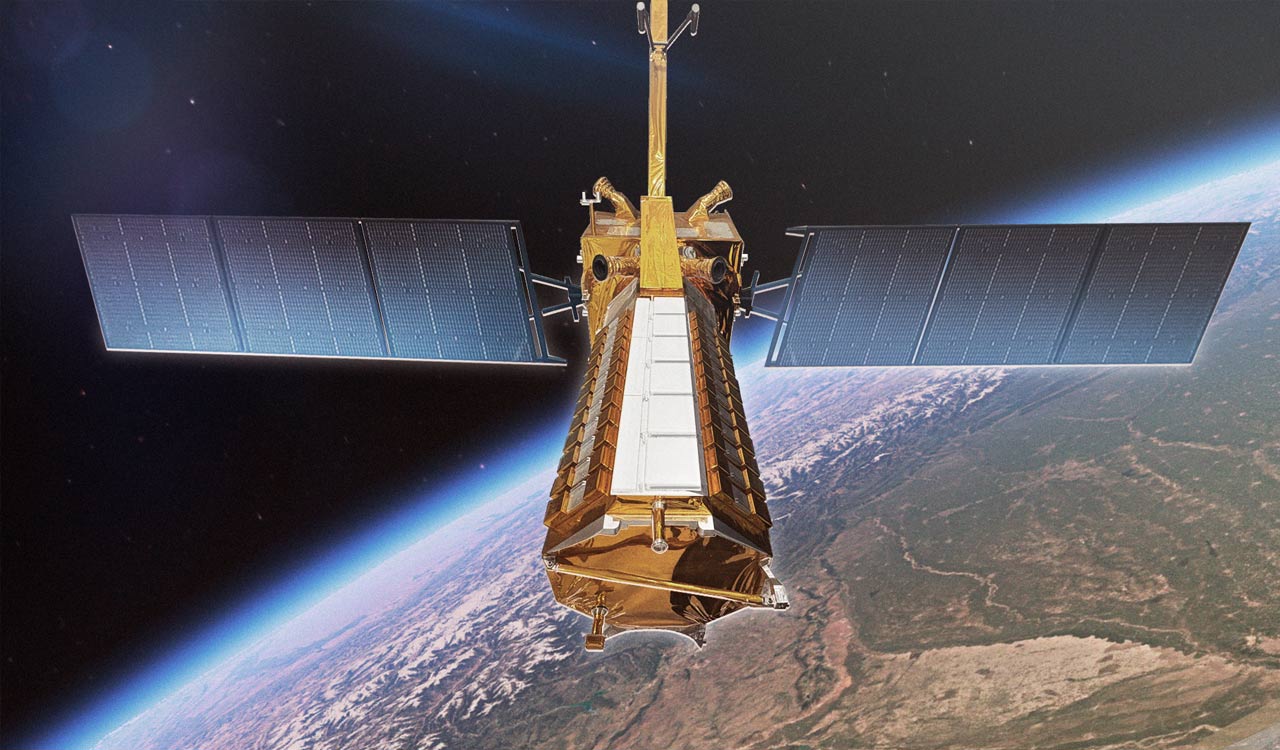
Atomic clocks are the heart of such navigation satellites, as they provide the high-precision timing necessary for the PNT technology.
EAS Sarma, former secretary to the government of India, told PTI, “Usually, each of these satellites carries three or four atomic clocks for redundancies. So, if one goes bad, then one should be able to switch to the other one.
In the case of IRNSS-1F, all of its atomic clocks have stopped working.” To make matters worse, on August 31, 2017, ISRO attempted to replace the IRNSS-1A with IRNSS-1H, but the mission failed to insert the satellite into the desired orbit. Subsequently, ISRO began launching the second generation of satellites for NavIC, known as the NVS series.
While it successfully placed NVS-01 in the desired orbit in 2023, the 2025 launch of NVS-02 failed. This has delayed the launch of NVS-03, NVS-04, and NVS-05, leaving the NavIC system with only IRNSS 1-B, IRNSS 1-L, and NVS-01, which are currently capable of providing navigation services.
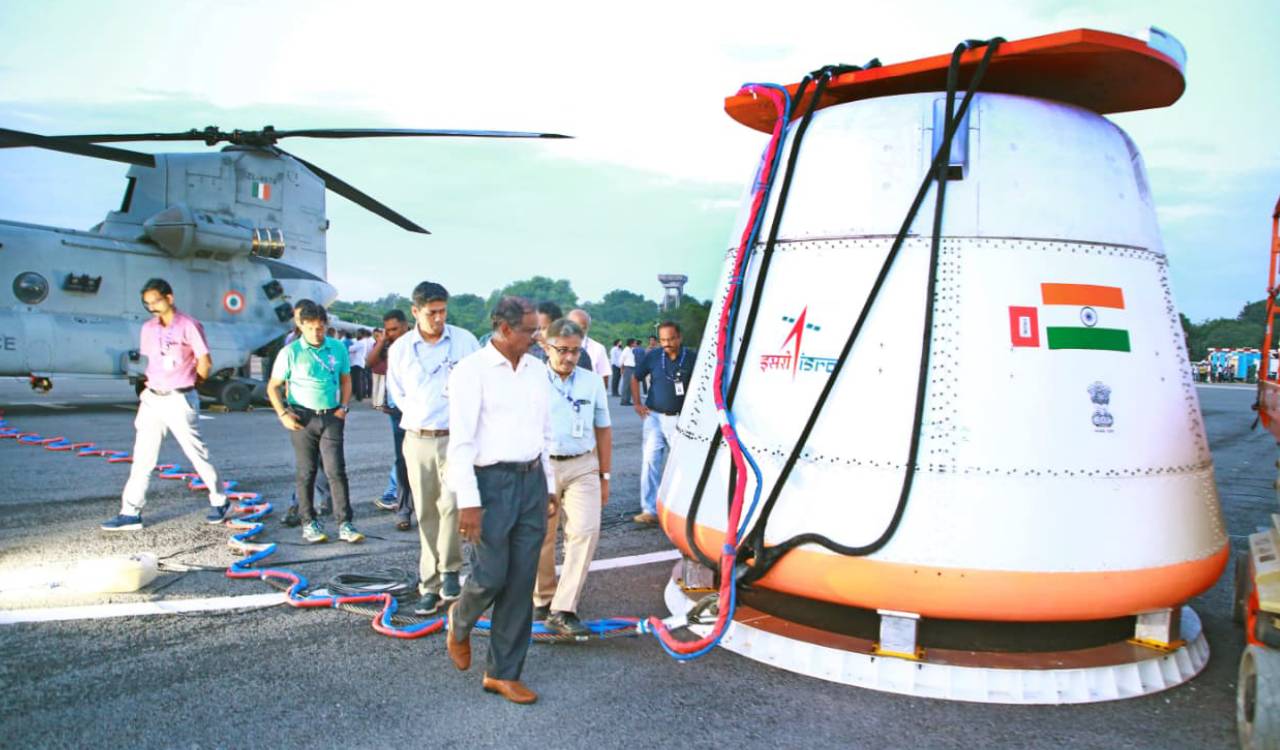
Sarma suggested that ISRO and the government have been distracted by missions such as Gaganyaan and the Axiom Mission 4, which involved Shubhanshu Shukla going to the International Space Station – the first Indian to do so.
“India cannot afford to rely on foreign navigation systems like GPS…Our priority must be strategic application, followed by other purposes, and lastly, political optics,” Sarma said.

Related News
-

Editorial: Diluting institutional autonomy may boomerang
-
Incredible to watch capability ISRO is developing in science missions: Indian-American NASA senior official
-
India, France step up space cooperation with new private-sector deals
-
ISRO says remains at centre of India’s space programme, refutes media reports as ‘baseless’